Walk up to the edge of Lafayette Park on any given afternoon, and you will see the messy, beautiful reality of American democracy in action. You will find tourists taking selfies in front of the White House, street preachers shouting into microphones, and passionate protesters holding handmade signs. It is a chaotic public space.
Now, the White House wants to lock it down.
The Trump administration has formally proposed a plan to encircle Lafayette Park with a permanent eight-to-nine-foot steel fence. The proposal, which is currently sitting with the U.S. Commission of Fine Arts, would fundamentally change how the public interacts with the presidency. It is a drastic measure. It is also a deeply symbolic move that signals a government retreating behind heavy iron gates.
While security is a real concern, turning the nation’s front yard into a fortress is the wrong way to solve the problem.
The Blueprint of the New Fortress
The Secret Service and the Interior Department are pitching this as a modern security upgrade. They argue that the current setup of temporary bike racks, concrete bollards, and makeshift barricades is an eyesore and an operational headache. They want a permanent, uniform barrier.
The 79-page proposal submitted to the federal design panel outlines a massive shift in how the eight-acre park is managed. Under the plan, a permanent fence would wrap around the entire perimeter of Lafayette Park. Gates would be installed at the northern and southern entrances, giving the Secret Service the power to lock down the entire square instantly.
The administration has put forward two specific design options regarding the park's historic monuments. Lafayette Park features prominent statues honoring foreign heroes of the American Revolution at each of its four corners. The first option runs the fence inside these monuments, leaving them outside the secure perimeter but exposing them to potential vandalism. The second option puts the fence outside the monuments, swallowing them into the government's restricted zone.
This is not just about the park itself. The administration also wants to run the same heavy fencing along Pennsylvania Avenue, stretching from the Treasury Department building on 15th Street all the way to the Eisenhower Executive Office Building on 17th Street.
If both plans go through, the historic pedestrian corridor directly in front of the executive mansion will be locked behind a high iron wall.
Why the White House Wants a Lockout
To understand why this proposal is moving forward so aggressively right now, you have to look at the escalating security environment in Washington. The Secret Service is operating under immense pressure.
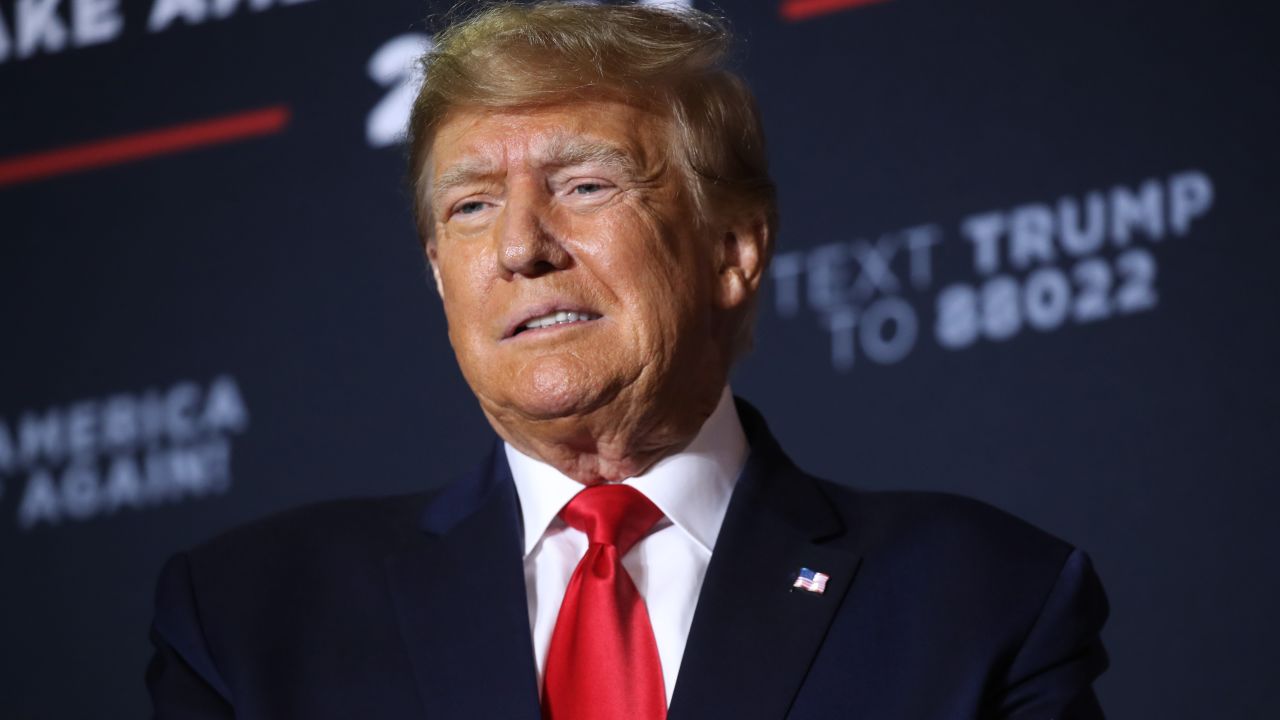
President Donald Trump has faced multiple direct threats. He survived two assassination attempts during his 2024 campaign, followed by a third attempt in April 2026 while attending a dinner with political journalists in Washington. Just a month later, in May 2026, Secret Service officers fatally shot an armed individual who opened fire near a White House security checkpoint.
The agency’s logic is straightforward. They want to eliminate variables. A permanent fence allows them to control who enters the space and shut down access instantly when a threat is detected.
The administration is also arguing that the permanent fence will preserve the park's visual beauty by removing the ugly temporary barriers that have sat there for years. In June, Trump toured the park alongside Interior Secretary Doug Burgum to inspect ongoing restoration projects. Trump boasted about the updates, promising the finished product would look incredible.
However, a beautiful cage is still a cage.
The Threat to Free Speech and Public Life
Critics of the project are not buying the administration's aesthetic arguments. The push to fence off Lafayette Park has sparked fierce pushback from civil liberties groups, local activists, and lawmakers.
Lafayette Park has served as a central staging ground for American protest since the early 20th century. Suffragists stood in the park to demand the right to vote. Civil rights leaders, anti-war activists, and everyday citizens have used the park to make their voices heard directly by the president.
Building an eight-to-nine-foot wall changes the physical dynamic of protest. Activists argue that pushing demonstrators further back limits their ability to be seen or heard by the administration. It sends a message that the government is afraid of its own citizens.
Eleanor Holmes Norton, D.C.’s nonvoting congressional representative, is leading the legislative charge against the barrier. She announced plans to introduce a bill that would explicitly ban any permanent fencing around Lafayette Square and Pennsylvania Avenue. She pointed out that fencing off these iconic spaces tells the world that our democracy is exclusive and fearful rather than open and confident.
There is also the practical impact on tourism. Millions of people travel to Washington every year to see the White House. If the public is pushed back behind a distant, fenced perimeter, the experience of visiting the nation's capital becomes significantly degraded.
The Sherman Park Underground Bunker
While the Lafayette Park fence is getting the most public attention, it is only one half of the administration's security overhaul. The Commission of Fine Arts is also reviewing a massive, 33,000-square-foot underground screening facility.
This bunker would be built beneath Sherman Park, located just southeast of the White House grounds. It is designed to handle the heavy daily flow of tourists, staff, and contractors who enter the complex. Currently, visitors are processed through temporary white tents that clutter the area.
The proposed underground facility would replace those tents entirely. The plans show a revised layout that shifts the main entrance to the western edge of Sherman Park to prevent conflicts with local infrastructure and protect the historic sightlines around the Treasury building.
If approved, the administration wants to start construction on the underground center immediately, aiming for a July 2028 operational date.
The Commission of Fine Arts Holds the Keys
The fate of both projects rests with the U.S. Commission of Fine Arts. Established in 1910, this independent federal agency has design and aesthetic review authority over construction on federal land in Washington. Under the Shipstead-Luce Act, they hold actual approval authority over any projects fronting the grounds of the White House and Lafayette Square.
The political makeup of the commission is a major factor. All seven commissioners on the current panel were appointed by the president, which means the administration is pitching its security plans to a friendly audience.
Historically, previous administrations resisted permanent fences around Lafayette Square. They worried about the terrible optics of a walled-off White House. The last time Lafayette Park had a permanent fence was in the late 19th century. Since then, the trend has been to keep the park as open as possible, even during times of national crisis.
This proposal represents a sharp departure from that tradition.
Action Steps for Concerned Citizens
If you care about preserving public access to Washington’s historic spaces, you do not have to just sit back and watch the fences go up. There are concrete ways to make your voice heard on this issue.
- Contact Your Representatives: Call or email your congressional representatives and urge them to support Eleanor Holmes Norton’s upcoming legislation to block the fencing of Lafayette Square.
- Submit Public Comments: Keep a close eye on the U.S. Commission of Fine Arts and the National Capital Planning Commission agendas. Both agencies accept public written testimony before they vote on final design approvals.
- Support Local Preservation Groups: Organizations like the Committee of 100 on the Federal City and the National Coalition to Save Our Mall are actively fighting to keep D.C.’s public spaces accessible. Getting involved with these groups helps fund advocacy and legal challenges.
Balancing presidential safety with democratic openness is a difficult task. However, shutting down the public square is a lazy solution to a complex security problem. We can protect the president without walling off the very people they serve.
You can watch Trump's Lafayette Park Walkthrough to see the president inspecting the current park restoration projects alongside administration officials.
http://googleusercontent.com/youtube_content/1