You have to hand it to Jay Clayton. The man knows how to navigate a high-stakes corporate boardroom, but watching him squirm under the bright lights of a Senate confirmation hearing is something else entirely.
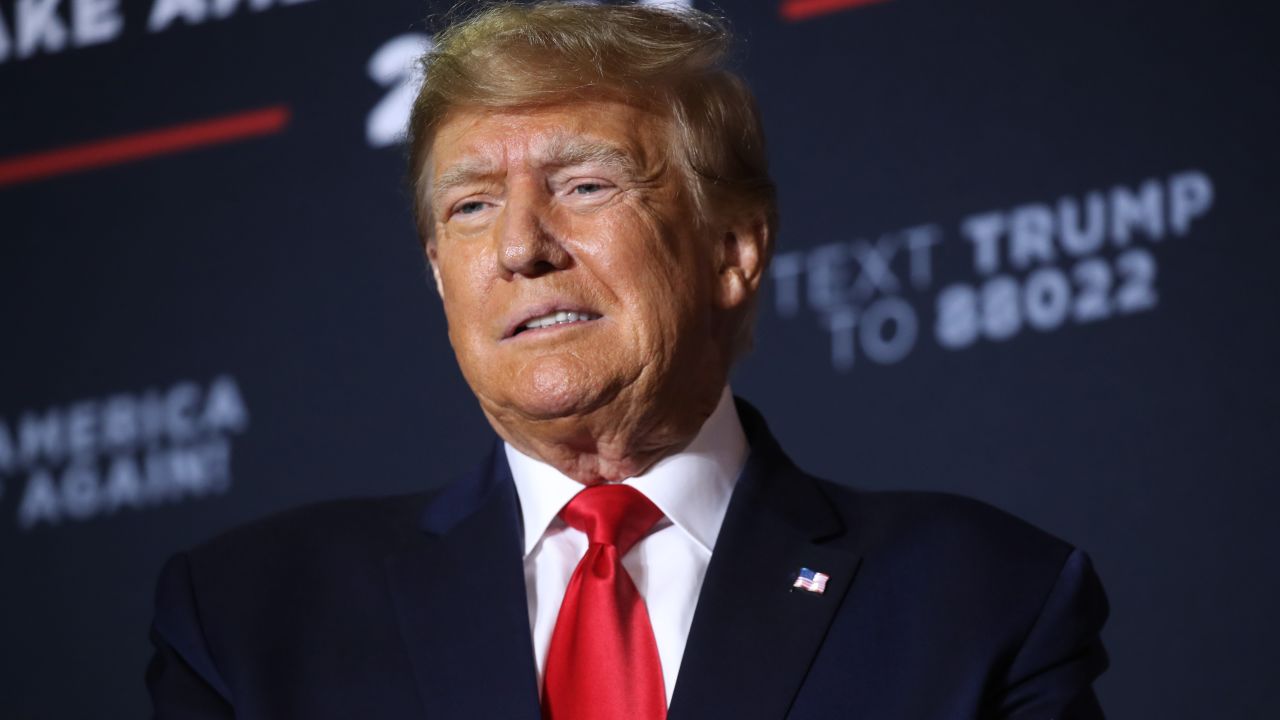
On July 15, 2026, Clayton—Donald Trump’s nominee to run the nation’s 18 intelligence agencies as Director of National Intelligence (DNI)—sat before the Senate Intelligence Committee. What should have been a standard deep dive into global security threats quickly devolved into a masterclass in political dodgeball. The central question that had him tied in knots? A shockingly simple one: Did Joe Biden win the 2020 election?
Clayton just couldn't bring himself to say "yes". Instead, he repeatedly relied on a highly sanitized, carefully rehearsed talking point: Biden was "certified" as president.
For anyone watching the live feed, the tension was palpable. This wasn’t just a semantic debate over a six-year-old election. It was a live demonstration of the exact political loyalty tests currently reshaping the highest levels of the American national security apparatus.
The Verbal Gymnastics of a Job Interview
Democrats on the committee didn't let him off the hook easily. They pushed, prodded, and practically begged Clayton to give a straight answer. But the nominee, who currently serves as the U.S. Attorney for the Southern District of New York (SDNY), treated the exchange like a hostile cross-examination.
When Senator Mark Kelly of Arizona asked point-blank if the winner of an election is the person who gets certified and wins the most electoral votes, Clayton flatly refused to play along. "I think that’s your characterization," Clayton shot back. "I’m really, I’m not going to continue."
It got even testier when Georgia Senator Jon Ossoff pressed the issue.
"I'm not going to engage in the theater," Clayton snapped.
Ossoff didn't blink: "This is a job interview. We have established you have an obligation to be honest and forthright with the committee. It's a simple question."
"I'm not, you know, I'm not going to do this with you," Clayton replied.
Senator Angus King, an independent from Maine, summed up the frustration shared by many in the room. He pointed out the gaping irony in Clayton’s testimony. "One of your qualifications is you told us you’re going to tell the truth to power, and you won’t even answer a simple question to tell the truth to power," King said.
Why the Silence Actually Matters
To a casual observer, this might look like beltway theater. Does it really matter what a DNI nominee thinks about 2020 when we're facing complex cyber threats, a volatile Middle East, and rising tensions with China?
Yes, it matters immensely.
The DNI is not a political cheerleader. The job exists to oversee a $100 billion intelligence budget and, more importantly, to deliver unvarnished, raw, and sometimes highly uncomfortable truths to the President of the United States. If a nominee cannot state a glaringly obvious historical fact because it might upset the man who nominated him, how can the American public trust him to deliver objective intelligence when the stakes are life and death?
Senator Kelly put this exact worry into words during a particularly sharp exchange. He noted that Trump was not in the room.
"If you can’t disagree with him when he’s not in the room, are you going to be able to disagree with him when you’re sitting across from him in the Oval Office or the Situation Room?" Kelly asked.
Clayton’s response was standard corporate boilerplate: "I have every confidence that I will deliver on my job, candidly, independently and with my best judgment."
"But just not in this room," Kelly retorted.
The Shadow of Bill Pulte and Tulsi Gabbard
To understand why Clayton is being scrutinized so heavily, you have to look at the chaotic game of musical chairs that has defined the Office of the Director of National Intelligence (ODNI) recently.
The position was vacated in June 2026 by Tulsi Gabbard, whose tenure was marked by deep controversy. Gabbard aggressively pursued Trump's domestic priorities, even drawing fire for showing up at an FBI search of a Georgia election office. After Gabbard left, Trump threw Capitol Hill into a tailspin by naming Bill Pulte—a wealthy philanthropist and former federal housing regulator with absolutely zero intelligence experience—as acting DNI.
Pulte immediately began purging career intelligence officials, causing panic among both Democrats and moderate Republicans. Desperate to get Pulte out of the driver’s seat, lawmakers initially hoped to confirm Clayton quickly. Clayton, after all, is a known quantity—he ran the Securities and Exchange Commission (SEC) during Trump's first term and has been running the high-profile SDNY office.
But Trump had other plans. He abruptly delayed Clayton’s initial confirmation hearing in June, effectively keeping Pulte in power while trying to pressure Congress into passing a controversial voting bill.
Now, Clayton is finally getting his day in court, but he's carrying heavy political baggage. While he is undoubtedly more qualified than Pulte, Clayton has no background in traditional espionage or intelligence gathering. And like his predecessor, he has shown a worrying willingness to echo Trump's rhetoric. Just last month, Clayton went on CNBC and claimed the U.S. is doing a "terrible job" on election integrity, specifically targeting California's mail-in voting systems with claims that critics say echo baseless conspiracy theories.
Subpoenas, Leaks, and the Free Press
The 2020 election wasn’t the only issue that had Democrats on edge during the hearing. Clayton also had to defend a highly controversial move made by his office just days before the hearing.
On July 10, Clayton’s SDNY office issued grand jury subpoenas to four New York Times journalists. The subpoenas are part of a federal leak investigation into how the reporters obtained details about security flaws involving Trump’s new Qatari-funded Air Force One.
The Times blasted the move as an "extraordinary escalation" meant to intimidate reporters, a sentiment shared by several senators. Clayton defended the decision, arguing it was part of a legitimate national security probe coordinated with career prosecutors.
"I'm absolutely committed to and respect our First Amendment and the role of the press," Clayton insisted, though he declined to offer specific details about the ongoing case.
For critics, the timing of the subpoenas combined with Clayton's refusal to acknowledge the 2020 election results paints a troubling picture. It suggests an incoming intelligence chief who is highly sensitive to the political desires of the White House, rather than an independent arbiter of facts.
What Happens Next?
Despite the stormy hearing, Clayton's path to confirmation remains highly likely. Republicans hold the majority, and even many frustrated Democrats are eager to confirm Clayton simply to push Bill Pulte out of the acting DNI role.
But Clayton’s tightrope walk is far from over.
If confirmed, he will take over an intelligence community that is deeply weary of political interference. His first major challenge will be restoring trust among the rank-and-file career officers who watch these hearings and wonder if their hard work will be weaponized—or ignored—to fit a political narrative.
If you want to understand the exact stakes of Clayton's nomination and watch the key moments where he sparred with senators, check out this detailed broadcast highlighting Jay Clayton's tense exchanges with Mark Kelly. It offers a raw look at the intense questioning Clayton faced regarding whether he can truly tell the truth to the president when it matters most.