The traditional global order of higher education is cracking. For decades, if you wanted a world-class degree, you looked almost exclusively toward Ivy League targets in the United States or the ancient spires of Oxbridge in the United Kingdom. Not anymore.
Recent global evaluation metrics from major agencies like Quacquarelli Symonds (QS) and Times Higher Education confirm a tectonic shift. Mainland China and Hong Kong institutions are rapidly climbing the ranks, aggressively capturing spots previously reserved for Western giants.
This isn't a fluke or a short-term statistical blip. It's the result of a calculated, multi-decade strategy backed by hundreds of billions of dollars. While Western higher education structures face domestic inflation, political scrutiny, and self-inflicted visa bottlenecks, East Asian universities are stepping into the vacuum.
If you are trying to understand why the global academic balance of power is shifting, you have to look at the intersection of state funding, massive research outputs, and changing international student preferences.
The Raw Math Behind the Rise
Look at the hard data. Mainland China's national spending on research and development grew at an average rate of 9% annually over the last decade. It hit $849 billion, outstripping United States R&D spending.
That money didn't sit in bank accounts. It went directly into lab equipment, supercomputing facilities, and aggressive global talent recruitment. This massive capital injection directly drives the metrics that global ranking systems care about most, especially citation volume and research impact.
According to the latest data, the average citations-per-faculty rank for mainland Chinese universities jumped from 359th globally to 280th. In strategic sectors like artificial intelligence, mainland institutions now produce more publications and citations than any other region. In specific subject evaluations, Peking University and Tsinghua University recently forced their way into the global top 10 for computer science and physical sciences. This arena used to be an exclusive US-UK playground.
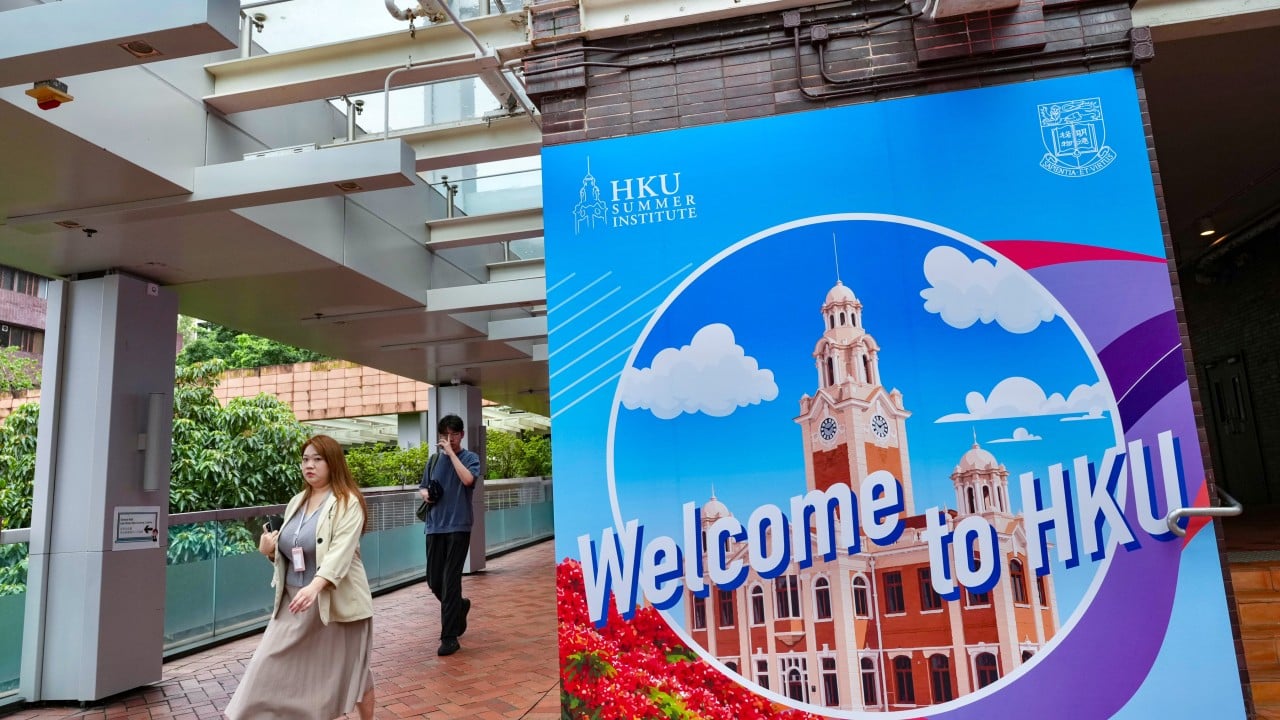
Hong Kong shows a similar pattern of hyper-performance. Despite its small geographic footprint, five of the city’s universities sit comfortably in the global top 100. The University of Hong Kong leads the charge, while institutions like City University of Hong Kong score phenomenally well in international research network categories.
Western Headwinds and Self Inflicted Wounds
You can't fully understand the ascent of Asian universities without looking at the simultaneous decay happening in Western academic systems. Higher education in the US, UK, Canada, and Australia is dealing with heavy systemic friction.
- Immigration Bottlenecks: Tightening visa policies and unpredictable post-study work regulations in the West are scaring away elite global talent. When international students face massive bureaucratic hurdles just to get a visa, they look elsewhere.
- Funding Constraints: Public funding for domestic universities across the West has stagnated. This forces many institutions to rely heavily on inflated international tuition fees just to keep the lights on, rather than investing purely in breakthrough research.
- Cost of Living: High inflation and housing shortages in cities like London, Sydney, and Boston mean the actual cost of a Western education has skyrocketed far past its baseline value.
When students perceive instability, high costs, and institutional friction in traditional destinations, East Asia looks incredibly attractive.
The Paper Factory Debate
Critics of these climbing positions often point out a persistent issue: the relentless push for research volume over genuine innovation. There is an undeniable culture of mass publishing within many mainland departments. Faculty members are frequently under immense pressure to pump out high volumes of papers specifically tailored to satisfy ranking algorithms.
It is a valid critique. Academic reputation is sticky. It takes decades to build but only years to optimize an algorithm. While mainland institutions excel at technical output, older Western institutions still hold significant soft power, historical prestige, and deep alumni networks that corporate employers value immensely.
But dismissing East Asia's rise as mere algorithmic manipulation ignores the reality on the ground. The physical infrastructure in these universities is world-class. You cannot fake top-tier supercomputing clusters, cutting-edge cleanrooms, or the real-world application of engineering research happening in the Greater Bay Area.
Hong Kong as the Ultimate Middle Ground
Hong Kong occupies a unique position in this changing dynamic. It serves as a bridge, combining Western-style academic freedom and English-medium instruction with direct access to mainland China’s massive financial engine.
The local government has leaned heavily into this advantage with its "Study in Hong Kong" campaign, actively building a regional education hub. By raising non-local student quotas, Hong Kong universities have opened the floodgates for bright minds.
Right now, mainland Chinese students make up the overwhelming majority of these non-local cohorts. In self-financed taught postgraduate programs at institutions like the University of Hong Kong and Lingnan University, mainland enrollment numbers sit above 90%.
This heavy integration with the Greater Bay Area means graduates aren't just holding a highly ranked degree; they are directly connected to tech, biotech, and financial ecosystems that are actively expanding. For example, graduates fluent in Putonghua who understand both international and mainland regulatory systems are heavily sought after by firms managing cross-border financial products.
What This Means for Your Academic Future
If you're a student, researcher, or academic strategist, you can't afford to ignore these shifts. The old assumption that an average Western degree inherently beats a top-tier Asian degree is dead.
Here are the concrete steps you need to take to navigate this changing environment:
- Evaluate via Subject, Not Just Brand: Don't just look at the overall institutional rank. Look at subject-specific metrics. If you want to study AI, advanced materials, or computer science, institutions like Tsinghua, Peking, or HKU frequently offer better infrastructure and higher research citation impact than mid-tier Ivy League or Russell Group alternatives.
- Factor in Ecosystem Access: A degree doesn't exist in a vacuum. Consider where you want to work. If your career goals involve tech manufacturing, supply chain management, or Asian financial markets, studying directly within the Hong Kong-Shenzhen ecosystem offers immediate placement opportunities that Western universities simply cannot match.
- Weigh the Total Cost of Investment: Compare the astronomical tuition and living costs of a US or UK degree against the heavily subsidized or lower-cost alternatives in Asia. Look closely at graduate employment outcomes relative to the debt you will take on.
The higher education market is no longer a unipolar world. Multiple centers of excellence exist, and the smart play is to look past historical prestige and evaluate where the actual resources are flowing right now.