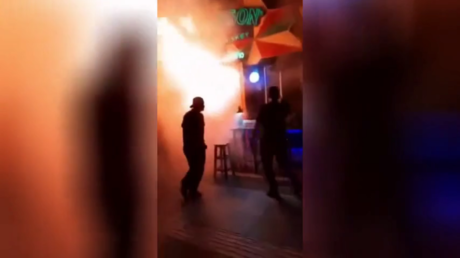
A packed room goes pitch black. Screams echo over the sound of crackling flames. Thick, toxic smoke fills your lungs within seconds, blinding you as you scramble toward where you think the exit is. For hundreds of patrons at the Rong Beer Na Lat Phrao pub in northern Bangkok, this nightmare became a lethal reality late Sunday night.
The fire killed at least 27 people and left over 60 others injured, with dozens fighting for their lives in critical condition. It's a horrific scene that feels devastatingly familiar. If you've followed news out of Thailand over the years, you're probably feeling a grim sense of déjà vu. We've seen this exact script play out before.
The real tragedy isn't just the fire itself. It's the structural failures and blocked exits that turned a manageable emergency into a death trap.
The Midnight Panic at Na Lat Phrao
Around midnight on Sunday, the popular beer hall near the Chatuchak weekend market was buzzing. A live band was on stage. The venue held roughly 300 customers. Witnesses say everything changed in an instant when smoke started pouring out of a circuit breaker near the stage. Then, a loud explosion knocked out the power.
Everything went dark.
When a fire hits a crowded venue, total darkness triggers absolute chaos. People couldn't see their hands in front of their faces, let alone locate emergency exits. Viral social media videos captured the sheer terror outside as massive plumes of fire shot horizontally out of the main entrance, forcing screaming patrons to flee into the street with their clothes literally ablaze.
But it's what happened inside the building that tells the real, heartbreaking story.
Trapped in the Restrooms
First responders made a gruesome discovery when they finally controlled the flames after a 35-minute battle. Most of the victims didn't die near the entrance. They were found clustered together in the windowless restrooms at the back of the building.
Think about that for a second. When the front exit becomes an impassable wall of fire and the lights go out, people instinctively run away from the flames. They look for any sanctuary. They ran to the back, piled into the bathrooms, and hoped for a way out or a place to shield themselves. Instead, they ran right into a dead end where smoke inhalation quickly took their lives.
Thai National Police Chief Kittharath Punpetch noted that many victims were trapped near a rear exit they never managed to use. Why? Because the path was blocked.
The Inexcusable Reality of Blocked Exits
Let's be blunt here. Venues keep making the same fatal mistakes because they prioritize floor space and convenience over human lives.
Initial investigations revealed glaring safety violations at the Rong Beer Na Lat Phrao. Bangkok Governor Chadchart Sittipunt pointed out that while the venue technically possessed fire exits on paper, the actual reality on the ground was a mess.
- Debris and inventory: Beer crates and heavy tables were stacked directly in front of one emergency exit route.
- Logistical bottlenecks: Shelving units and staff lockers narrowed the hallway leading to the kitchen exit.
- Obstructions: A large table set up specifically to sell candy blocked another crucial escape path.
- Locked doors: Investigators are currently looking into evidence that some exit doors were outright locked shut from the outside.
To make matters worse, local news outlet The Nation reported unverified claims that some staff initially blocked customers from leaving the venue until they paid their bills. If true, that's not just corporate negligence. That's criminal stupidity.
Why History Keeps Repeating Itself in Thailand
This isn't an isolated incident, and that's what makes it so frustrating. Thailand's nightlife industry has a track record of letting safety standards slide until a catastrophe forces their hand.
In 2022, a fire at the Mountain B music pub in Chonburi killed 26 people under almost identical circumstances: flammable acoustic foam, a short circuit, and locked fire exits. Go back further to 2009, and you have the infamous Santika Club disaster in Bangkok, where 67 people died during a New Year celebration.
Every single time one of these blazes occurs, politicians express deep condolences, visit the scene in crisp shirts, and promise sweeping crackdowns. Prime Minister Anutin Charnvirakul rushed to the Na Lat Phrao site and promised that "there will be no leniency if any laws have been broken."
But the venue had actually passed a city inspection back in April. This highlights a massive loophole in how safety enforcement works. A business can easily clear out its hallways and test its alarms for a scheduled daytime inspection, only to pile up beer crates and lock the back doors during actual operations to stop people from sneaking in or skipping out on checks.
What Needs to Change Right Now
If you're a traveler or a local navigating crowded nightlife hubs, you can't just rely on a venue's compliance certificate to keep you safe. Venues need to face regular, unannounced nighttime inspections during peak hours. If a single beer crate blocks a fire door, the city should shut the venue down on the spot. No warnings. No fines that can be paid off as a cost of doing business.
For anyone entering a crowded club or bar, make it a habit to spot a secondary exit the moment you walk in. Don't assume the path to that exit is clear. If a venue feels overcrowded, or if you notice tables and stock blocking the back hallways, trust your gut and leave.
The tragedy at Lat Phrao shouldn't have happened. It wasn't an unpredictable act of God. It was a failure of basic safety management, and until regulators start treating blocked exits as potential crime scenes before a fire even starts, it won't be the last.