Venezuela just faced its worst nightmare. Two massive earthquakes struck the country's north-central region back-to-back, leaving a trail of collapsed buildings, shattered roads, and thousands of injured citizens. While rescuers crawl through the rubble in Caracas and La Guaira to find survivors, a completely different battle is playing out inside the country's emergency rooms.
If you look at how a Venezuela hospital treats earthquake victims, you quickly realize the medical staff aren't just fighting injuries. They're fighting a broken system.
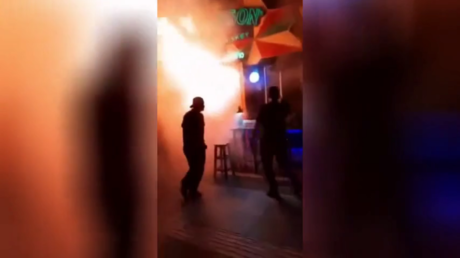
The double disaster hit on June 24, 2026. A 7.2 magnitude quake shook the ground, followed less than a minute later by a staggering 7.5 magnitude tremor. It was the strongest shaking the country has felt in over a century. Acting President Delcy Rodríguez quickly declared a state of emergency. But declarations don't stock empty pharmacy shelves or fix cracked hospital walls.
Right now, emergency clinics are overflowing with two major complaints. Physical fractures and severe panic attacks.
The Dual Crisis of Broken Bones and Shattered Minds
Walk into any triage center in Caracas right now and the sounds are overwhelming. You hear the literal groans of patients with broken legs and arms, alongside the heavy, terrified hyperventilation of people experiencing massive psychological trauma.
Medical workers report that a significant percentage of people rushing to the hospitals don't have a single scratch on them. They're convinced they're having heart attacks. The sheer terror of watching high-rise apartment buildings pancake in a matter of seconds has triggered an epidemic of acute panic.
Then come the physical traumas. The way the buildings collapsed meant people were struck by falling masonry, trapped under heavy furniture, or injured while leaping out of windows in desperation. Doctors are dealing with complex fractures, open wounds, and crush syndrome.
Treating these injuries requires immediate surgical intervention, sterile environments, and a massive supply of basic medical gear. That's exactly where the real tragedy begins.
How Decades of Decay Crippled the Response
Venezuela's hospital system has been running on life support for more than a decade. Long before the ground started shaking, these medical centers lacked the most basic items.
It's an open secret here. If you need surgery in a Venezuelan public hospital, the doctor doesn't just hand you a gown. They hand your family a shopping list. You have to go to a private pharmacy to buy your own surgical gloves, scalpels, sterile gauze, and even the anesthetics.
When thousands of casualties hit the system at the exact same time, this informal supply chain completely collapsed. Families can't go run errands for medicine when the streets are blocked by concrete slabs and the metro system is shut down. Doctors are forced to ration everything. They're deciding who gets pain medication and who has to wait.
In some clinics, structural damage from the earthquake itself forced doctors to evacuate their wards. Medical teams are treating people in parking lots, using cell phone flashlights to examine deep cuts and apply splints.
The Shockwave of Panic Across the Diaspora
The crisis doesn't stop at the Venezuelan border. Neighboring Colombia hosts millions of Venezuelan migrants who are watching this horror unfold on their screens, unable to reach their parents or siblings because the telecommunications grid is largely down.
In cities like Bogotá, volunteers are scrambling to load up massive trucks with basic supplies. They're gathering face masks, over-the-counter painkillers, bandages, and bottled water to send across the border. It's a grassroots effort to plug a massive hole that the national government simply cannot fill on its own.
The US Geological Survey estimates that the economic and human toll will keep rising sharply over the coming weeks. For the health workers on the front lines, the immediate priority is just survival. They're resetting bones, calming hysterical parents, and trying to keep infections from spreading in crowded, dusty corridors.
If you want to support relief efforts, focusing on direct donations of medical hardware, surgical kits, and clean water to international organizations operating on the ground makes the biggest difference right now. Staff are exhausted, supplies are running dry, and the aftershocks keep coming.