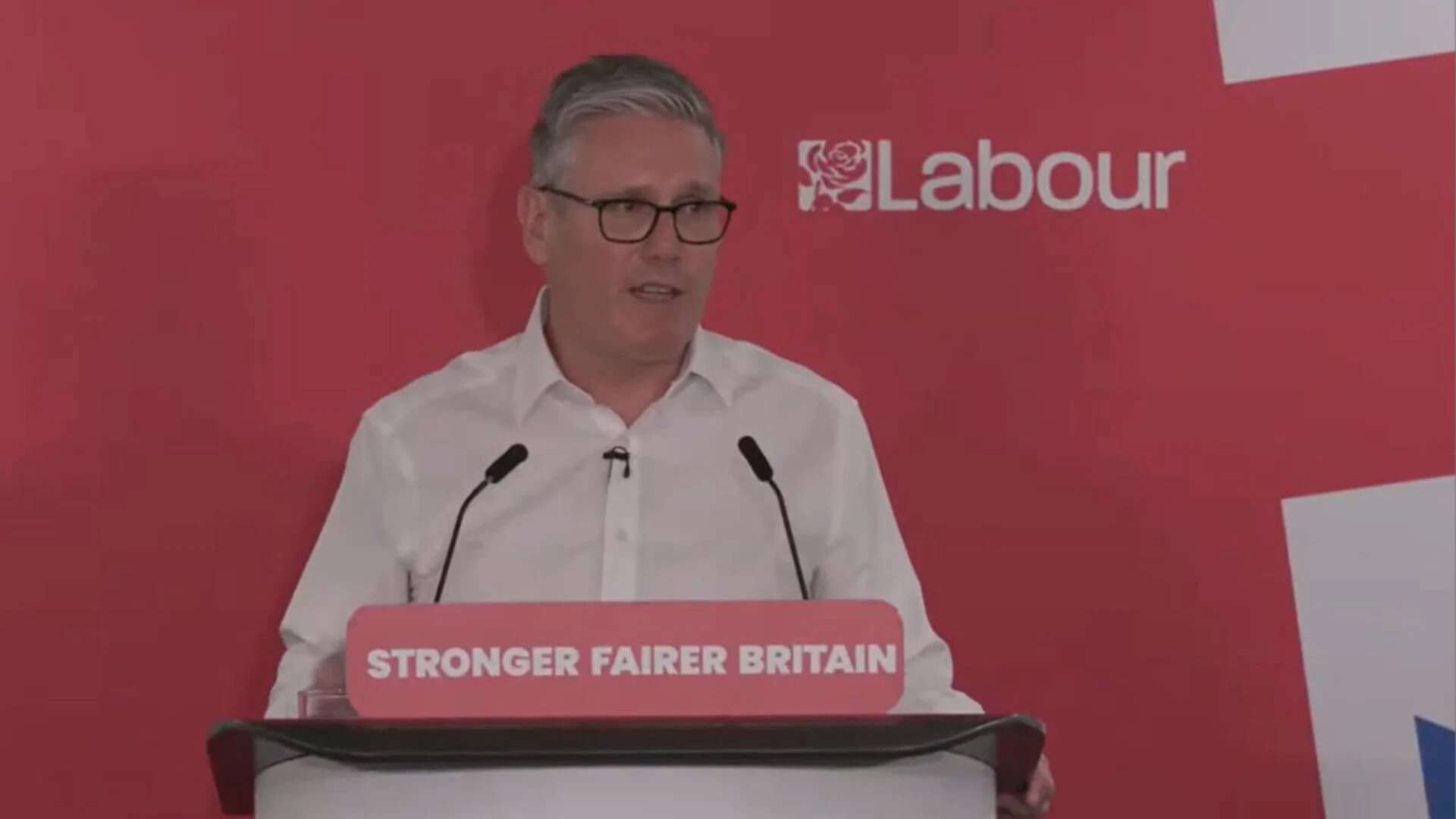
Britain just took a massive step toward facing one of its darkest domestic secrets. Prime Minister Keir Starmer stood in the House of Commons and delivered a formal state apology to the survivors of historic forced adoptions. Between 1949 and 1976, an estimated 185,000 babies were systematically taken from unmarried mothers in England and Wales.
They didn't give their babies up. The babies were taken.
For decades, these women carried an artificial weight of shame imposed by a society that treated them as moral failures. Starmer flipped that script entirely. He made it clear that the shame belongs solely to the state and the institutions that enabled this cruelty.
This isn't just about ancient history. The ripple effects of these forced separations dictate the lives of elderly mothers and adult adoptees today.
The Cruel Reality Behind the System
The popular narrative for years was that young, unmarried women willingly surrendered their children for a better life. That's a lie. The system relied on aggressive coercion, institutional bullying, and psychological warfare.
Local authorities, health social care services, and religious organizations worked together to corner vulnerable women. Many mothers were teenagers. They were hidden away in mother-and-baby homes, isolated from their families, and subjected to horrific emotional and physical abuse.
Starmer shared a chilling testimony in Parliament of one mother who was stitched up without anaesthetic after giving birth. The medical staff told her she would remember the pain because she had been a "bad girl." This wasn't an isolated incident. It was a weaponized culture designed to break these women until they signed away their parental rights.
What the Competitor Missed
Most news outlets focus entirely on the political theatre of a prime minister speaking at a podium. They treat the apology like a neat ending to a tragic chapter. It isn't.
The previous Conservative government flatly refused to issue a formal state apology. In 2023, they claimed that the state didn't actively support the practice, essentially dodging accountability by blaming the general culture of the era. Starmer's statement explicitly reverses that stance. The current government acknowledges that the British state funded, legitimized, and failed to regulate the very systems that perpetrated this trauma.
The timing makes this incredibly bittersweet. Campaigners have been fighting for this recognition for over half a century. Veronica Smith, who co-founded the Movement for an Adoption Apology, passed away two years ago. She spent her final years screaming into a void, never living to hear the state admit its guilt. For the surviving mothers, most of whom are now in their 70s and 80s, the apology arrives at the absolute twilight of their lives.
Why an Apology is Only Step One
Words don't heal a lifetime of severed identity. While the emotional validation is massive, survivors need practical, immediate action. The government announced a £4 million fund alongside the apology, but anyone who has tried to navigate the UK's bureaucratic maze knows that cash alone won't fix the systemic hurdles.
Adult adoptees face immense roadblocks when trying to find their biological roots. The process of accessing adoption records is notoriously slow, painful, and bogged down by red tape. Private companies and local councils often guard these documents like state secrets, leaving families trapped in limbo.
The funding needs to go directly into dismantling these barriers. If an adult adoptee wants to know their medical history or find a birth parent, they shouldn't have to fight the state a second time just to see their own files. Specialized, trauma-informed counseling is also non-negotiable. The trauma of forced separation doesn't disappear because a politician said "we are sorry" on television.
Practical Next Steps for Survivors and Families
If you or your family members were affected by historical forced adoption in the UK, the landscape is shifting. You don't have to carry the burden in silence anymore.
- Connect with Campaigner Networks: Groups like the Movement for an Adoption Apology offer peer support and have spent decades navigating the exact emotional and legal hurdles you face.
- Request Your Records: Under current guidelines, adult adoptees have a legal right to access their original birth certificates and adoption files. Contact your local authority’s adoption service or the General Register Office to start the process.
- Utilize the New Support Fund: Keep a close eye on updates from the Department for Education regarding the newly allocated £4 million fund, which is earmarked to help families reconnect and access dedicated mental health resources.