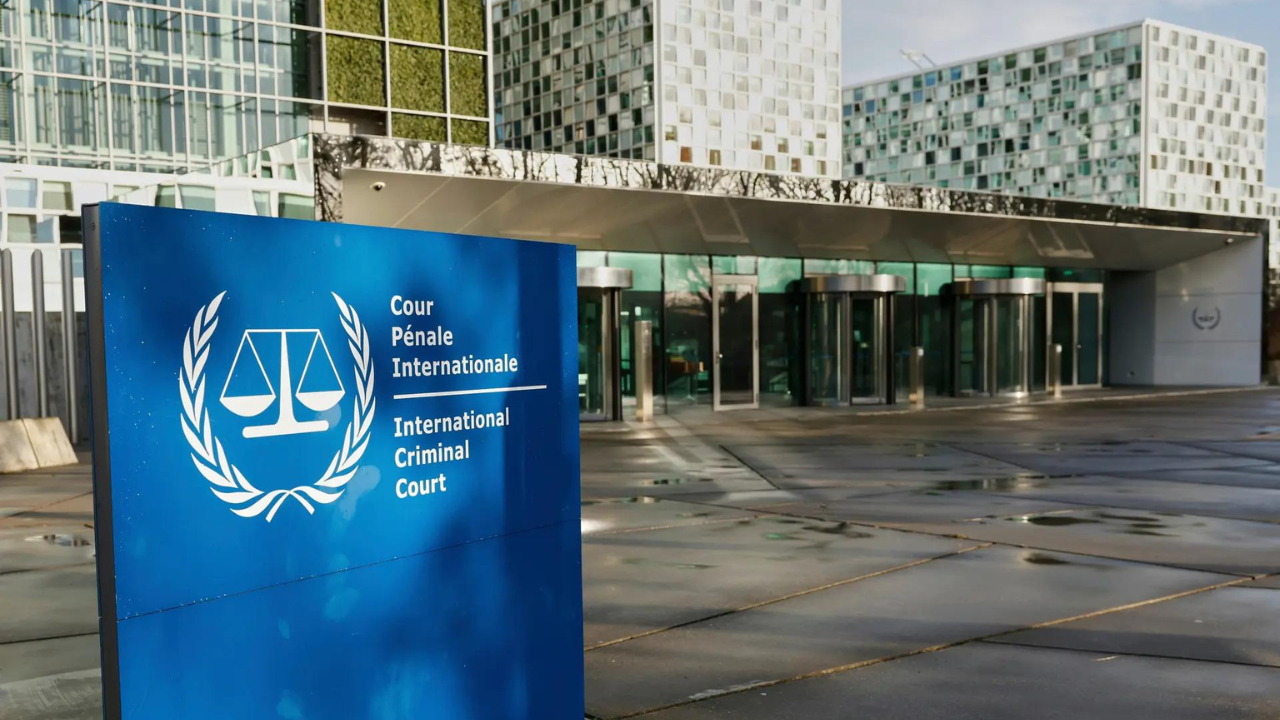
Washington just declared open war on international global governance, and it isn't hiding the weapons. The White House has officially rolled out a sweeping campaign to systematically disable the International Criminal Court. Secretary of State Marco Rubio didn't mince words, writing that the U.S. will dismantle the tribunal "brick by brick, if necessary."
This isn't a minor diplomatic spat. It's a fundamental challenge to the entire framework of post-Cold War international law. The administration calls the Hague-based court an intolerable threat to U.S. sovereignty. If you've been watching the growing tension between national borders and global courts, this move represents the ultimate breaking point.
The real friction comes down to a simple question of who rules. Washington insists that free citizens must only be judged by their own laws and peers. The court believes nobody is above global accountability, even citizens of superpowers that never signed its treaty.
The Root of the Sovereignty Feud
To understand why the White House wants to choke off the court's funding and operations, you have to look at the foundational rules. The International Criminal Court operates under the Rome Statute. It was established in 2002 to prosecute the worst atrocities on earth—genocide, war crimes, and crimes against humanity.
The big catch is that the United States never ratified the treaty. Bill Clinton signed it but didn't send it to the Senate. George W. Bush effectively unsigned it. The core American objection has always been identical across both Republican and Democratic administrations: the court claims the power to prosecute citizens of countries that never agreed to its jurisdiction.
The tribunal operates on the principle of complementarity. It's supposed to step in only when a national legal system is genuinely unable or unwilling to investigate its own forces. The American security establishment argues that its internal military justice systems are perfectly capable of handling allegations. They view any outside intervention as a direct violation of constitutional self-governance.
This tension isn't theoretical. The court has maintained an open file regarding potential actions by American troops and intelligence personnel in Afghanistan. Even though the Hague deprioritized that specific investigation a few years ago, the case was never formally shut down. For Washington, that lingering dossier acts as a permanent legal gun pointed at American service members.
The Strategy to Turn Off the Lights in The Hague
The administration isn't just complaining on television. They're using a coordinated, aggressive strategy designed to break the court's operational capacity.
The strategy relies heavily on the financial and diplomatic weight of the American government. The campaign uses several distinct pressure points:
- Financial Freeze: Deploying aggressive sanctions against court personnel, including judges and prosecutors. These penalties freeze American-based assets and completely lock individuals out of the global banking system.
- Travel Blocks: Widespread visa revocations and entry bans for court officials and anyone actively assisting their investigations into American citizens or allies.
- Diplomatic Extortion: Forcing foreign governments that host American troops or receive U.S. military aid to sign bilateral agreements. These deals force countries to explicitly reject the court's jurisdiction over Americans.
This approach targets the court's daily operations. By threatening the personal finances and mobility of judges, the administration wants to make the professional cost of pursuing Western leaders completely unsustainable.
The Pivot Toward Shielding Allies
The current escalation didn't happen in a vacuum. The immediate trigger for this aggressive pushback relates directly to U.S. allies, specifically Israel.
The court caused shockwaves across Western capitals by issuing arrest warrants for high-ranking Israeli officials, including Prime Minister Benjamin Netanyahu, over the conflict in Gaza. Neither the U.S. nor Israel recognizes the court's authority, yet the warrants instantly restricted where these leaders can travel without risking arrest by member states.
This escalation changed the calculus in Washington. The administration realized that if a close ally could be targeted despite not being a member state, top American political figures and generals could easily face identical legal jeopardy down the road. The pushback is a preemptive shield designed to protect American operations worldwide.
Key Milestones in US-ICC Friction:
2002: ICC officially opens; Bush administration passes the American Service-Members' Protection Act.
2020: ICC approves an investigation into war crimes in Afghanistan, including actions by U.S. forces.
2024: ICC issues arrest warrants for Israeli leaders, triggering furious bipartisan pushback in Congress.
2026: The White House launches a "whole-of-government" campaign to actively disable the tribunal.
The Geopolitical Fallout
The consequences of this campaign will ripple far beyond the courtrooms of the Netherlands. It forces long-time American allies into a deeply uncomfortable corner. Countries like the United Kingdom, Germany, and France are dedicated members of the court. They're also deeply reliant on the American security umbrella.
If Washington demands that these nations choose between upholding global legal treaties and maintaining their military alliances with the U.S., the entire international order fractures. The administration's message is unmistakable: globalism is secondary to state sovereignty, and those who benefit from American security cannot actively back institutions that target American personnel.
Critics argue that this campaign destroys the concept of universal human rights and hands a massive propaganda victory to authoritarian regimes. If the world's most powerful democracy systematically dismantles the primary court for war crimes, it becomes much harder to hold anyone else accountable. The administration counter-argues that the court has become hopelessly politicized, abandoning its original mission to become a tool for activist lawyers targeting Western democracies.
Your Next Steps to Track This Conflict
This legal and diplomatic battle will dictate the future of international law for decades. To stay ahead of how this affects global security, travel, and foreign policy, you should track these specific indicators:
- Watch the next assembly of the Rome Statute member states. See which American allies attempt to broker a compromise and which ones double down on the court's independence.
- Monitor foreign aid bills moving through Congress. Look for new clauses that automatically strip funding from nations cooperating with Hague investigations.
- Keep an eye on international travel itineraries for high-profile political figures. The practical test of this American campaign will be whether member states actually refuse to honor warrants when targets land on their soil.