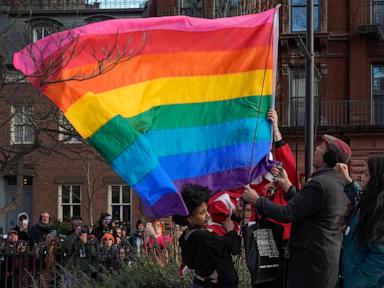
Pride Month celebrations reach their peak this Sunday as hundreds of thousands of marchers take to the streets for the NYC Pride March and the San Francisco Pride Parade. Held on the anniversary of the 1969 Stonewall uprising, these iconic gatherings remain the bedrock of the modern LGBTQ+ rights movement. But if you think these events are just giant outdoor dance parties wrapped in rainbow flags, you are missing the point entirely.
This year, the festive energy shares the stage with severe political urgency. From policy shifts in Washington affecting national monuments to heated local debates over healthcare access, the 2026 marches serve as a direct response to a changing cultural climate.
The Dual Realities of Celebration and Protest
The NYC Pride March and the San Francisco Pride Parade both trace their history back to 1970, one year after patrons at the Stonewall Inn resisted a police raid in Manhattan's Greenwich Village. Over five decades later, that spirit of resistance remains central, even as corporate floats and celebrity headliners occupy the pavement.
In San Francisco, the 56th Annual Pride Parade operates under the explicit theme Resistance in Action. Led by Grand Marshals Peaches Christ and Honey Mahogany, the procession features 250 unique contingents marching down Market Street toward the Civic Center Plaza. The energy is electric, but the underlying message from organizers is clear: visibility is a form of survival.
Meanwhile, New York City faces its own distinct political friction. This year, the intersection of corporate sponsorship, institutional involvement, and grassroots activism has created visible tension within the community.
Healthcare Battles and Parades
The lead-up to Sunday's march in Manhattan has been marked by intense debate surrounding transgender youth healthcare. A coalition of transgender rights activists successfully pressured NYC Pride organizers regarding the participation of certain local hospital networks.
Several prominent New York City hospitals faced fierce pushback and demands for exclusion after announcing policy changes that halted specific medical treatments for transgender minors earlier this year.
For many activists, allowing these institutions to march under a rainbow banner while restricting care behind closed doors felt like a betrayal. This friction highlights a broader truth about modern Pride: the streets are still a battleground for policy, not just a venue for corporate public relations.
The Battle Over Stonewall Itself
The shifting political landscape under the current presidential administration has directly touched the physical symbols of LGBTQ+ history. Earlier this year, a major controversy erupted at Christopher Park, the small green space located directly across the street from the Stonewall Inn that forms the heart of the Stonewall National Monument.
+--------------------------------------------------------+
| TIMELINE OF THE MONUMENT CONTROVERSY (2026)            |
+--------------------------------------------------------+
| February: National Park Service removes rainbow flags   |
| to comply with new federal administrative guidance.    |
|                                                        |
| Days Later: Local politicians and community activists   |
| gather at Christopher Park to manually raise the flags. |
|                                                        |
| June: The park remains a focal point of defiance       |
| during the Sunday anniversary march.                   |
+--------------------------------------------------------+
This back-and-forth over federal land management guidelines turned a public park into an active zone of defiance just months before the official June march. It proved that even designated historic sanctuaries are subject to changing political tides.
Finding Alternative Spaces in the City
If you find the main NYC Pride March too commercialized, you are not alone. A growing segment of the community has looked for alternative ways to honor the roots of the movement without the corporate logos.
The Queer Liberation March, also taking place Sunday in Manhattan, offers a completely different experience. Founded by grassroots activists who argue that the main heritage event has become overly managed, police-heavy, and corporate-dominated, this march rejects official floats, corporate sponsors, and barricaded viewing zones. It relies on foot power, protest signs, and community-led security.
This division shows that the LGBTQ+ community is not a monolith. The existence of multiple marches on the same Sunday proves that the debate over how to protest, who to include, and what to demand is as alive today as it was in 1969.
Logistics for Sunday Attendees
If you are planning to navigate either city on Sunday, navigating the sheer scale of these events requires a plan. Millions of spectators crowd the routes, and city infrastructure adapts accordingly.
New York City Logistics
- The Route: The main march steps off at midday, moving past the Stonewall National Monument in the West Village before heading uptown.
- Alternative Route: The Queer Liberation March maintains a separate path, focusing on historic protest spaces throughout Manhattan.
- Transit Tip: Avoid driving anywhere near lower or midtown Manhattan. Subway stations closest to Christopher Street and 14th Street experience severe overcrowding.
San Francisco Logistics
- The Route: The parade begins at 10:30 AM at Market Street and Beale Street, moving west for 1.5 miles down Market Street and ending at Civic Center Plaza.
- Transit Changes: The San Francisco Municipal Transportation Agency has instituted massive surface street closures. Multiple Muni lines are rerouted away from Civic Center Plaza, with bus shuttles replacing regular service on portions of the F Market line. Commuters should utilize the underground Market Street Subway stations between Embarcadero and Van Ness to bypass street closures.
Actionable Next Steps for Pride Sunday
Attending or supporting a major metropolitan march involves more than showing up in bright clothing. If you want to engage meaningfully with the event today, focus on these clear steps:
- Support Grassroots Mutual Aid: Major parades draw massive crowds, but local LGBTQ+ youth shelters and trans advocacy groups often see little of that financial windfall. Direct your donations to community-run organizations operating outside the main corporate structures.
- Respect the Physical History: If you visit the Stonewall National Monument or Christopher Park, treat the space with the care due to a historic landmark. The site remains a fragile point of political negotiation.
- Prioritize Transit Security: Check live transit updates via official city portals before leaving. In San Francisco, use the underground Muni Metro; in New York, rely on secondary subway lines to avoid major bottleneck stations near the West Village.