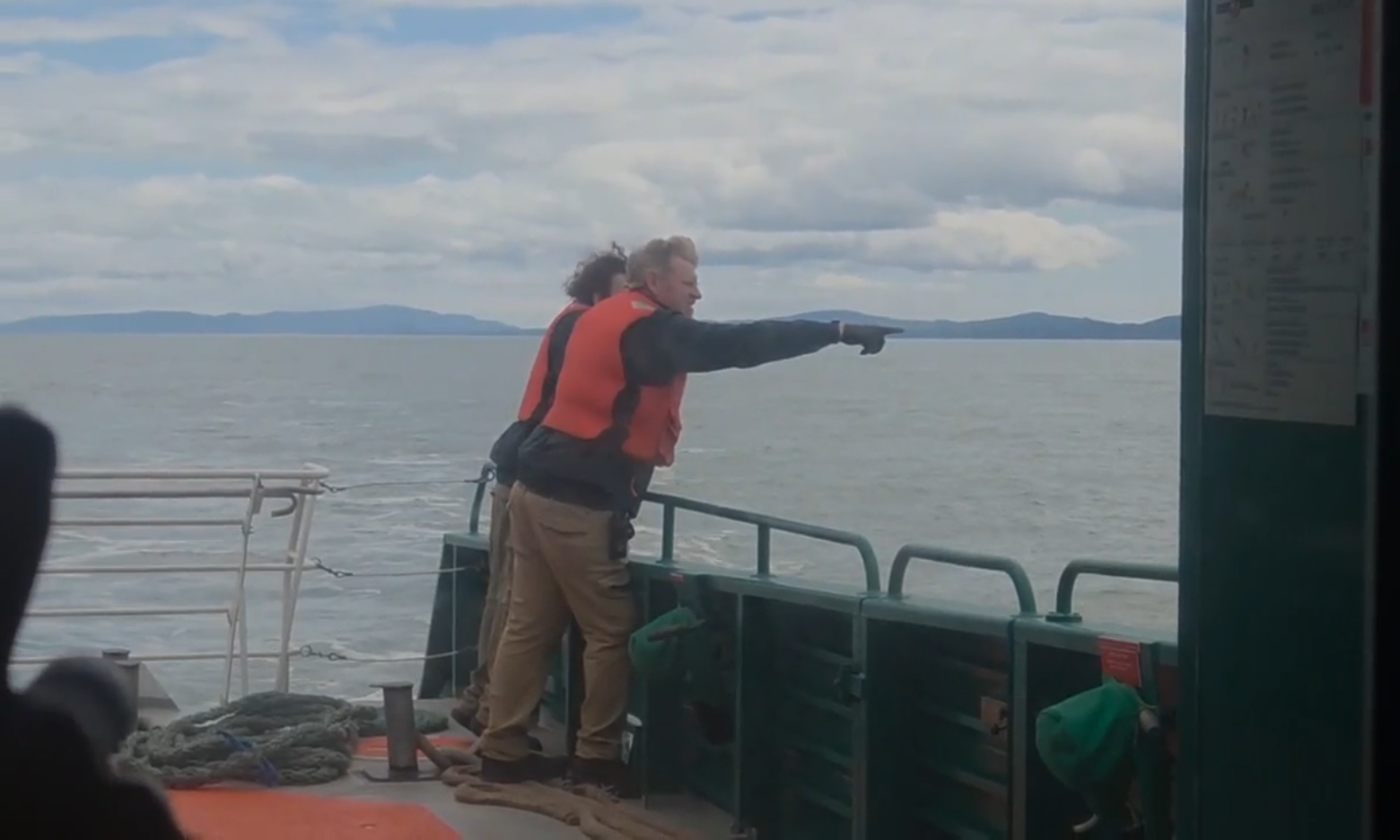
A peaceful afternoon on the water can turn into a nightmare in seconds. On June 28, 2026, a massive emergency response scrambled to the waters surrounding Sea Island, right near Vancouver International Airport. The Canadian Armed Forces confirmed that multiple people were spotted struggling in the water.
The most alarming part? They had absolutely no personal flotation devices.
A civilian vessel first spotted the group in distress and immediately alerted the Joint Rescue Coordination Centre (JRCC) in Victoria. While four individuals have been safely pulled from the cold waters, the emergency search is still actively ongoing.
The Chaos Unfolding Near Sea Island
The waters around Richmond and Vancouver International Airport are deceivingly dangerous. Sea Island is surrounded by the Fraser River and the Strait of Georgia, areas known for shifting currents and unpredictable tidal changes. When a civilian boat captain looked out and saw heads bobbing in the water without life jackets, it triggered an immediate full-scale rescue operation.
First responders are battling time and temperature. Even in late June, the water temperatures in this region hover around dangerous levels, fast-tracking the risk of hypothermia. The JRCC, alongside local marine units, immediately deployed assets to look for any remaining survivors.
The Life Jacket Mistake People Keep Making
Let's talk about the glaring issue here. Going out on the water without a life jacket is a gamble you'll eventually lose. It's not just about knowing how to swim. When you unexpected plummet into cold water, your body goes into what experts call a cold shock response. You gasp involuntarily. If your head is underwater, you inhale fluid.
Data from the Lifesaving Society of Canada consistently shows that over 80% of boating-related drowning victims were not wearing a life jacket or personal flotation device (PFD) at the time of the incident. It doesn't matter if you're a strong swimmer. It doesn't matter if the weather is warm. If you are in the water without a PFD, your survival window shrinks drastically.
Why the Location Complicates Marine Rescues
The area near the Vancouver airport presents unique challenges for search and rescue teams. You have active flight paths overhead, commercial vessel traffic, and the complex geography of the Fraser River delta.
- Heavy Currents: The Fraser River pours massive volumes of water into the strait, creating powerful undertows.
- Low Visibility: Debris from the river can make spotting a human head in the water incredibly difficult for air and boat crews.
- Jet Wash and Noise: The proximity to airport runways means constant noise and air disturbance, which can complicate acoustic searches or communication between ground and air teams.
Immediate Steps for Anyone Heading Out on the Water
If this incident proves anything, it's that safety measures aren't optional recommendations. They are survival requirements.
Before you step onto any boat, kayak, or paddleboard, do these three things right now. First, pull your life jacket out of storage and actually put it on. Don't leave it under a seat or tucked in a bow locker where it's impossible to reach during a capsize. Second, check the local marine forecast and tidal charts for the Fraser River and Strait of Georgia. The conditions change faster than you think. Lastly, ensure you have a reliable way to signal for help, like a marine VHF radio or a waterproof whistle attached to your gear.