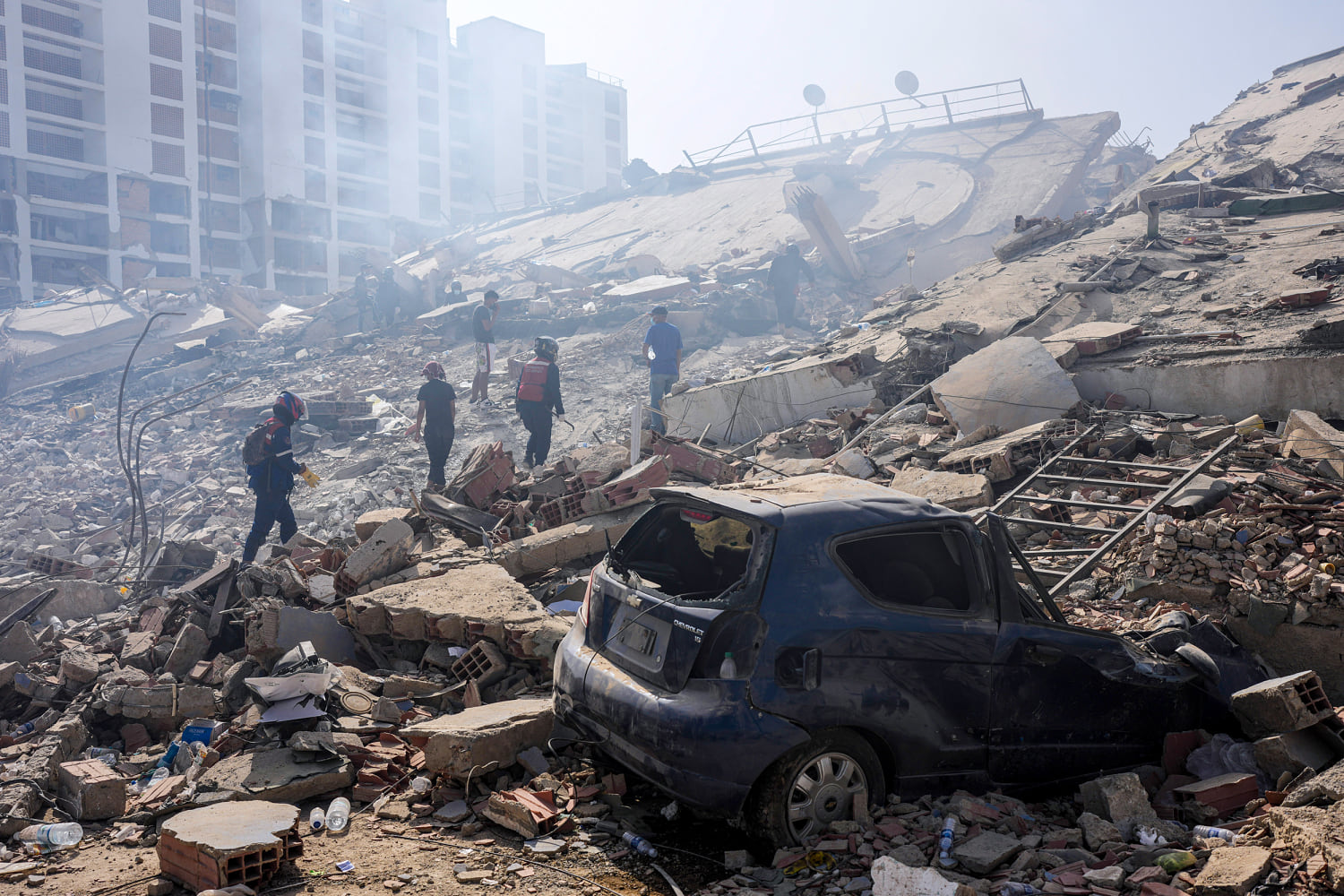
The ground didn't just shake in northern Venezuela this week. It completely upended communities, shattered infrastructure, and exposed deep vulnerabilities. When a disaster of this scale hits, numbers often get thrown around by headlines trying to grab a quick click. But behind the cold statistics are real neighborhoods flattened in a matter of seconds.
The main topic keyword dominating global tracking right now is the catastrophic Venezuela earthquake sequence. It's not just a single tremor. It's a unfolding crisis that demands a clearer look than what standard news feeds are offering. Don't miss our recent article on this related article.
If you're trying to figure out exactly what happened, how bad the damage is, and what comes next, let's break down the reality on the ground right now without the usual media sensationalism.
The Grim Numbers and What They Actually Mean
Official updates from Caracas have confirmed a devastating milestone. The death toll from the twin earthquakes has officially climbed to 1,430 people. National Assembly President Jorge Rodríguez shared these latest updates on state television, painting a bleak picture of the unfolding crisis. To read more about the background of this, Reuters offers an informative summary.
Along with those who lost their lives, at least 3,200 people are dealing with injuries. Hospitals in the northern regions are stretched to their absolute limits. On top of that, more than 3,100 residents have suddenly found themselves homeless. Their houses were either pancaked by the tremors or left so unstable that stepping back inside is a massive gamble.
Families are desperately holding out hope. Tens of thousands of people remain unaccounted for, leaving relatives to dig through piles of concrete with shovels or their bare hands. In places like La Guaira, the sound of heavy machinery is mixed with the frantic shouts of neighbors trying to locate missing loved ones.
A Rare and Catastrophic Double Blow
Most major seismic disasters involve one massive shock followed by smaller aftershocks. What made Wednesday evening so terrifying for Venezuelans was a rare, back-to-back double punch. Two powerful earthquakes—one measuring magnitude 7.2 and the other a massive 7.5—struck within less than sixty seconds of each other.
Think about that for a second. When the first quake hit, people naturally scrambled for cover or ran into the streets. Before they could even process what was happening or check on their families, the second, even stronger tremor slammed into the exact same buildings. Structures that were weakened by the 7.2 quake simply didn't stand a chance when the 7.5 force hit moments later.
The geography of the destruction covers a huge chunk of the northern coast. The hardest-hit areas sit right on the front lines of where these two tectonic plates meet.
Why Northern Venezuela Is So Vulnerable
The science behind this disaster isn't complicated, but it's dangerous. Venezuela sits right on the messy boundary where the Caribbean Plate rubs against the South American Plate. This boundary creates a complex web of fault lines running right through some of the country's most heavily populated areas.
While small tremors happen all the time, a major release of energy like this hasn't been seen in decades. Because the quakes were relatively shallow, the energy didn't get absorbed deep in the earth. Instead, it ripped straight through the surface, multiplying the shaking effect across cities and coastal towns.
The Fresh Threat of Continuous Shaking
Just when emergency workers thought they could focus entirely on rescue efforts, the ground moved again. A fresh 5.6-magnitude offshore earthquake struck near the Aragua region on Sunday, sending waves of panic through communities that are already completely traumatized.
Seismologists warn that these aftershocks could easily continue for weeks. For a building that's already cracked and leaning, a 5.6 tremor is more than enough to cause a final, fatal collapse. Local authorities are begging residents to stay away from damaged structures until engineers can properly inspect them. That's easier said than done when people are desperate to salvage clothes, documents, or valuables from the ruins of their lives.
The Severe Economic Toll on a Fragile System
The human cost is obviously the most heartbreaking part of this tragedy, but the economic fallout is going to weigh on the country for years. A preliminary assessment from the United Nations Development Programme dropped a staggering estimate. The damage from the quakes has already reached roughly 6.7 billion dollars.
To put that into perspective, that single number represents about 6% of Venezuela's entire Gross Domestic Product.
This assessment doesn't even account for the long-term economic freeze that happens when a country's main shipping ports and coastal highways are disabled. Roads have buckled, bridges are cracked, and electricity grids are dark across multiple municipalities. Acting President Delcy Rodríguez announced that over 14,000 military and police personnel have been deployed to patrol the affected zones. Access is highly restricted, and special permits are now required just to enter the hardest-hit disaster squares.
How the International Community Is Responding
When a disaster of this magnitude strikes, no nation can handle it entirely alone. Emergency rescue teams and specialized gear have started pouring into the country from all corners of the globe.
Search and rescue experts from Mexico, the United States, Brazil, El Salvador, and France have arrived on the ground. These teams brought specialized equipment, including thermal imaging cameras and highly trained sniffer dogs that can detect signs of life deep beneath collapsed concrete slabs.
Local community groups across the globe are also organizing grassroots donation drives. From the suburbs of Dallas, Texas, to small towns in Canada, diaspora communities are packing trucks with emergency supplies, medicines, and non-perishable food to ship directly to the relief centers.
The International Red Cross has pointed out a massive psychological hurdle that relief workers are facing. Even people whose homes survived the initial shocks are absolutely terrified to sleep indoors. Thousands are choosing to sleep on the streets, in public parks, or in makeshift tents because every minor rumble reminds them of Wednesday's horror.
Actionable Steps for Lending a Hand
If you want to support the relief efforts, you need to be smart about how you help. Flooding a disaster zone with random items often creates logistical nightmares for the people on the ground.
- Stick to established international agencies. Organizations like the International Red Cross, UNICEF, and global disaster relief funds have direct pipelines into the affected areas. They know exactly what supplies are needed right now.
- Prioritize monetary donations over physical goods. Shipping a box of blankets takes time and fuel. Cash allows relief teams in the region to buy local supplies quickly, saving precious days and supporting nearby economies.
- Verify your sources before sharing information. In the chaotic days after an earthquake, rumors spread fast on social media. Check updates against verified reports from the UN or official humanitarian agencies before passing them along.
The search operations are entering a critical phase as the hours tick away. Every minute counts for those who might still be trapped under the rubble. The recovery process will take years, but the immediate focus remains entirely on saving every single life possible.