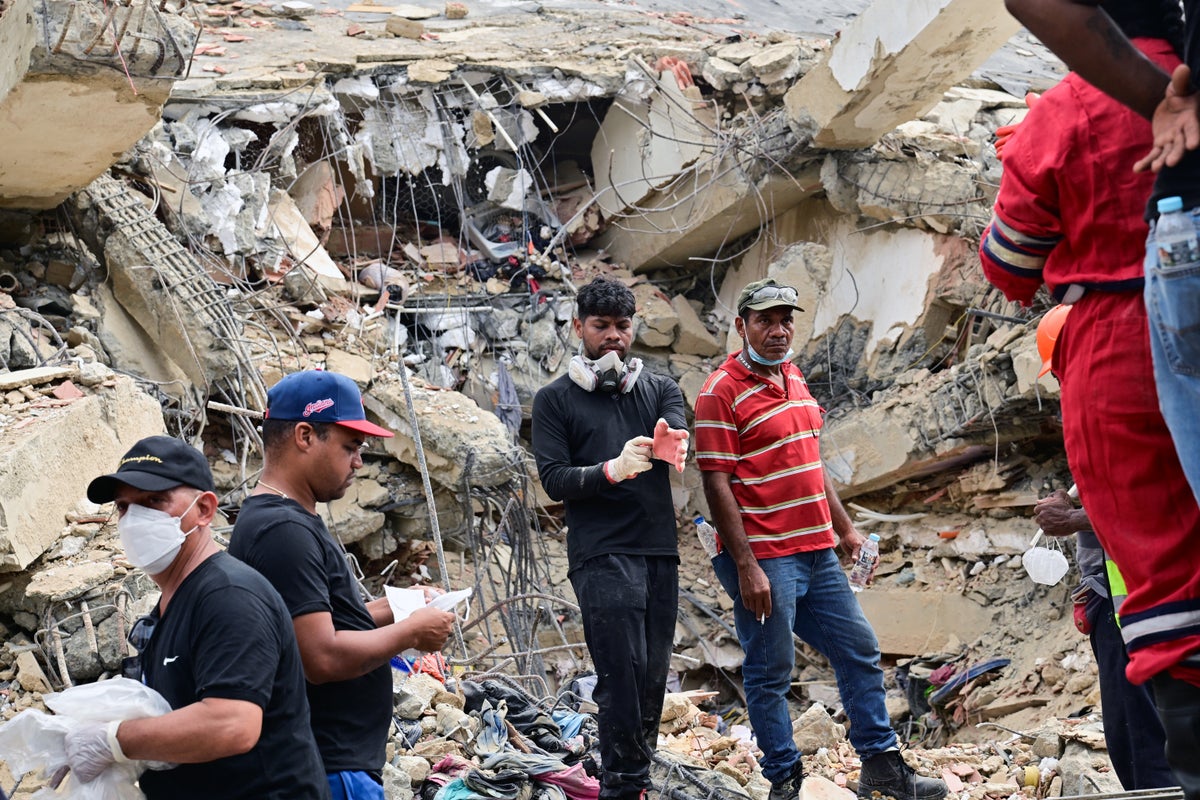
The air raid sirens in Ukraine's capital don't just warn people anymore. They shake the ground before the first explosion even lands. Russia just launched its heaviest, most destructive aerial assault on Kyiv this year, completely shattering months of relative calm in the capital. This wasn't a standard harassing drone attack. It was a coordinated, multi-layered wave of ballistic missiles, cruise missiles, and low-flying strike drones designed to overwhelm everything in their path.
The primary targets tell a clear story. The Kremlin didn't just want to terrorize civilians this time. They went straight after the heart of Ukraine's remaining defense framework, pounding critical energy infrastructure, military command hubs, and strategic airfields.
If you've been following the conflict, you know that the battle for the skies dictates what happens on the front lines. When the capital's defense umbrella gets pushed to its absolute limit, the ripple effects hit every single trench in the east. This massive strike changes the math for both sides as the war grinds through a brutal phase.
The Strategy Behind the Inundation
Military analysts knew an attack like this was brewing. For weeks, Russian forces scaled back their use of high-end cruise missiles, leading many to suspect they were stockpiling weapons for a massive, synchronized push. They did exactly that. By combining slow-moving Shahed drones with ultra-fast Kinzhal hypersonic missiles, the attack forced Ukrainian air defense teams to make split-second choices on which targets to engage first.
Drones fly low to confuse radar. Cruise missiles change direction mid-flight. Hypersonic missiles drop from the stratosphere at impossible speeds. When all three arrive at the exact same coordinate within a three-minute window, even the most sophisticated defense systems face saturation.
The strike targeted the vital nodes keeping the country functional. Energy substations took direct hits, triggering immediate blackouts across multiple districts. Kyiv's power grid has been patched together with duct tape and sheer willpower for two years, and this latest blow removes a massive chunk of generating capacity right when the grid faces peak demand.
Airfields were another clear priority. Ukraine has been preparing infrastructure to support Western-supplied fighter jets, making these installations prime targets for pre-emptive Russian strikes. By cratering runways and targeting underground maintenance bunkers, Moscow wants to ensure these jets have nowhere safe to land, let alone launch counter-offensives.
The Reality of Air Defense Limits
We often hear about the high interception rates reported by Ukrainian military officials. Patriot systems, NASAMS, and IRIS-T units have performed minor miracles over the skies of Kyiv. But no air defense system offers a flawless shield.
When ninety missiles fly toward a city, stopping eighty of them sounds like a victory. It isn't. The ten that get through can destroy an entire regional power plant or flatten a military logistics center. Debris from intercepted missiles also poses a massive threat, falling into residential areas and starting uncontrollable fires.
Kyiv Air Defense Dynamics:
- Incoming Waves: Drones (low/slow) -> Cruise Missiles (evasive) -> Ballistic/Hypersonic (fast)
- Defense Protocol: Electronic warfare jams drones -> Medium-range systems target cruise missiles -> Patriot systems engage hypersonics
- The Vulnerability: High missile consumption rates deplete interceptor stockpiles faster than Western allies can replenish them
The burn rate of defensive interceptor missiles is the real metric to watch. Every single Patriot missile fired costs millions of dollars and takes months to manufacture. Russia is using cheap, mass-produced decoy drones to force Ukraine to expend these incredibly rare and expensive interceptors. It's a war of industrial attrition, and right now, the math favors the side producing more cheap metal.
What This Means for the Energy Grid
The damage to the energy sector isn't something you fix in a weekend. Workers can't just flip a switch to bring a blown-out transformer back online. These are massive pieces of industrial machinery, often custom-built, requiring months to transport and install.
Kyiv residents face a return to strict rolling blackouts. This affects everything from water pumps in high-rise apartments to the refrigeration units storing medicine in hospitals. Businesses have to rely on noisy, expensive diesel generators just to keep the lights on, driving up inflation and draining the local economy.
Energy security is military security. Without a stable power grid, defense factories cannot manufacture drones, repair damaged armored vehicles, or assemble electronic warfare kits. By taking a hammer to the power grid, Russia directly slows down Ukraine's internal military production capabilities.
The Strategic Shift in Moscow's Targeting
Earlier in the war, strikes felt chaotic and vengeful. Now, they look highly calculated. Russian intelligence appears focused on hitting the exact intersections of the supply chain where it hurts most.
Targeting military sites and airports simultaneously shows an intent to paralyze Ukrainian logistics. If airfields are compromised, transport planes can't bring in critical equipment, and air defense assets must be reassigned from the front lines to protect vulnerable rear positions. This creates gaps in the trenches elsewhere, allowing Russian ground forces to push forward in contested zones.
The timing isn't accidental either. Political shifts in Western capitals create windows of uncertainty. By launching a massive strike now, Moscow sends a clear signal to international observers that the Russian military retains the industrial capacity to sustain high-intensity bombardment indefinitely.
How Ukraine Adapts Moving Forward
The immediate priority for Ukrainian leadership involves securing more air defense batteries from global allies. Conversations will shift from offensive weapons to pure survival assets. The current supply chain for air defense simply cannot keep up with the rate of destruction witnessed in this latest raid.
Decentralization is the only viable short-term fix. Moving critical infrastructure underground, splitting up large military storage sites into smaller hidden depots, and building concrete blast walls around power substations are happening around the clock. You can't move an entire airport underground, but you can change how you protect the assets inside it.
The resiliency of the civilian population remains incredibly high, but physical limits exist. Constant sleep deprivation from nightly alarms combined with the economic strain of blackouts tests the social fabric of the capital like never before.
Next Steps for Observers and Analysts
To understand where the conflict goes next after a strike of this magnitude, stop looking at maps of the front line and start looking at procurement data.
- Monitor Western defense manufacturing announcements, specifically regarding 155mm artillery shells and Patriot interceptor production schedules.
- Watch the energy import agreements between Ukraine and its European neighbors, as the grid will rely heavily on cross-border electricity to survive the coming months.
- Track the deployment patterns of Ukrainian air defense assets to see if they are forced to pull back from the front lines to protect cities.
The war isn't slowing down. This latest raid proves that the air campaign remains just as volatile and decisive as the ground war in the east. Staying informed means looking past the daily headlines and analyzing the deeper structural damage to the country's industrial backbone.