Thousands of mourners spent the night shivering on the concrete outside the Grand Mosalla mosque in central Tehran. By dawn, the gates cracked open, swallowing a sea of black chadors and green flags. This isn't just a burial. It is a carefully engineered geopolitical weapon. The state-orchestrated funeral of former Iranian supreme leader Ali Khamenei has officially kicked off, five months after the US and Israeli airstrike that ended his 37-year iron grip on the country. If you think this six-day marathon of grief is purely about religious devotion, you are completely missing the point.
The regime is attempting to pull off the ultimate optical illusion. They want the world to see an empire united in righteous fury, completely ignoring the fact that the ground beneath their feet is actively fracturing.
The Illusion of Totality on the Streets of Tehran
The state media cameras are tightly cropped for a reason. They zoom in on the weeping men beating their chests. They capture the rhythmic chants of revenge echoing off the mosque walls. Look closer at the wider picture, and the cracks in the narrative become impossible to ignore.
The Islamic Republic has organized an unprecedented logistical dragnet to fill these squares. We are talking about 50 million loaves of bread distributed to pilgrims. Authorities cleared out 700 schools and 5,000 mosques in Tehran province alone just to park the bodies of the faithful. Free fiber-optic internet hubs were dropped into ten separate choke points to ensure the state-sanctioned grief could be uploaded to the world in real-time. Supermarkets have been ordered to stay open 24 hours a day. The state machine is pumping an astronomical amount of cash into keeping this crowd fed, housed, and angry.
Yet, this massive gathering represents only one specific sliver of the Iranian population. Every single woman inside the Grand Mosalla complex is wrapped tightly in a head-to-toe black chador. That is the mandatory uniform of the regime faithful. Step outside that perimeter, walk just a few blocks down into the commercial heart of Tehran, or look at the teenagers riding motorcycles past the police blockades. More than half the women in the capital aren't even wearing a basic headscarf anymore. They are moving past the funeral banners like they are invisible.
The government wants this week to serve as an undisputed mandate for the continuation of the Islamic Revolution. In reality, it highlights a profound, irreconcilable cultural divorce. More than half of Iran's citizens have never known another ruler besides Khamenei. Now that he is gone, the regime is terrified of what happens when the state-mandated weeping finally stops.
Inside the Fortified Camp of the Grand Mosalla
By early morning, the open-air mosque held over 10,000 tightly segregated people. Men crowded the right side of the main platform. Women filled the left. The air was thick with the scent of cinnamon from the free halim soup being handed out at hundreds of makeshift food stations. On the giant raised stage stood the centerpiece of the theater. Five coffins sat draped in the Iranian tricolor. The largest was topped with a single black turban, signifying Khamenei's status as a descendant of the Prophet Muhammad.
The other four coffins served as a brutal reminder of the high personal cost of this conflict. They held the remains of his family members killed in that same February strike, including his 14-month-old granddaughter. The regime arranged the wooden boxes on a massive black platform designed to look exactly like the Kaaba in Mecca. It is a brilliant, heavy-handed piece of religious staging. They are deliberately elevating a political assassination into an act of cosmic martyrdom.
While religious elegies blared from competing sound systems, grown men sat cross-legged on the floor, sobbing into their hands. Just inches away, foreign reporters and state media handlers were busy tending to their smartphones. They snapped selfies with the grieving masses serving as their backdrop. It felt surreal. The intense, raw grief of the true believers rubbed right against the cold, transactional nature of modern digital propaganda.
The Ghostly Succession and the Invisible Son
The most telling aspect of this entire multi-day ritual is the person who isn't there. Mojtaba Khamenei, the late leader's son, was quietly selected by the Assembly of Experts back in March to take his father's place. Since that closed-door vote, he has been a ghost. He has not been seen or heard in public. Not once.
Mojtaba was badly injured in the February airstrike that took his father's life. The regime has kept a tight lid on the true extent of his wounds. He didn't even show up to his own wife's funeral earlier this week. The state has only issued brief, sterile written statements under his name, mostly trying to distance the new leadership from the current ceasefire talks while begrudgingly allowing them to continue.
This total lack of public visibility is causing intense anxiety within the ranks of the Islamic Revolutionary Guard Corps. It is incredibly hard to project unyielding strength to your enemies when your new supreme leader is hidden away in an undisclosed medical bunker. Israel has already issued public warnings that they intend to eliminate Mojtaba the moment he steps into the light. His absence from the funeral of the man who built his entire political lineage speaks volumes about the paralyzing security paranoia gripping the upper echelons of power.
A Low-Tier Guest List Reflects Historical Isolation
The regime invited leaders from all over the world, desperately hoping for a massive show of international solidarity. What they actually got was a stark reminder of how lonely Iran is on the global stage.
No Western leaders were invited. The Iranian foreign ministry spokesperson, Esmail Baghaei, tried to spin this by blasting European nations, claiming they are standing on the wrong side of history. He called their lack of condemnation regarding the US-Israeli strikes truly shameful.
Take a look at who actually showed up to pay their respects on Friday. Former Russian President Dmitry Medvedev arrived as a special emissary for Vladimir Putin. He spent some time huddled with Iranian President Masoud Pezeshkian and foreign minister Abbas Araghchi, trying to shore up the Moscow-Tehran military alliance. The rest of the high-level delegation was remarkably thin. You had the presidents of Tajikistan, Georgia, and Iraq, alongside Pakistani Prime Minister Shehbaz Sharif and Armenian Prime Minister Nikol Pashinyan.
India sent a mid-level delegation led by a minister of state and the governor of Bihar, completely bypassing Prime Minister Narendra Modi, who conveniently scheduled visits to Australia and New Zealand to avoid the trip. A dozen heads of parliament from various Arab states occupied the remaining seats. This is a far cry from the global diplomatic powerhouse Iran pretends to be. It is a regional assembly of convenience, bound together by mutual anti-Western sentiment rather than deep structural alliances.
The Logistics of Fear and Crowd Control
The regime is terrified of its own people. That is the open secret of this funeral. They are aggressively pushing millions of people to move through the capital, but they are also deeply paranoid about a repeat of historical disasters.
When Ayatollah Ruhollah Khomeini died in 1989, his funeral devolved into absolute madness. The hysterical crowd broke through the cordons, nearly stealing the corpse right out of the wooden box and tearing at his burial shroud. More recently, in 2020, the funeral procession for Qassem Suleimani in Kerman turned into a deadly stampede that killed over 50 people.
To prevent another logistical nightmare, First Vice-President Mohammad Reza Aref has deployed thousands of riot police and established strict barricades around the Grand Mosalla, turning the prayer complex into a fortified military outpost. Officials are using loudspeakers to actively order mourners to pay their respects and immediately exit the venue. They don't want the crowd density to hit a critical mass where they lose control of the perimeter.
Security forces are also dealing with a massive domestic sabotage threat. The country is currently under a highly fragile, temporary ceasefire with the United States and Israel after months of devastating regional warfare. The government knows that a single well-placed bomb or a sudden eruption of domestic protest inside this crowd would completely shatter the illusion of stability they have spent months trying to manufacture.
Where the Road Ends
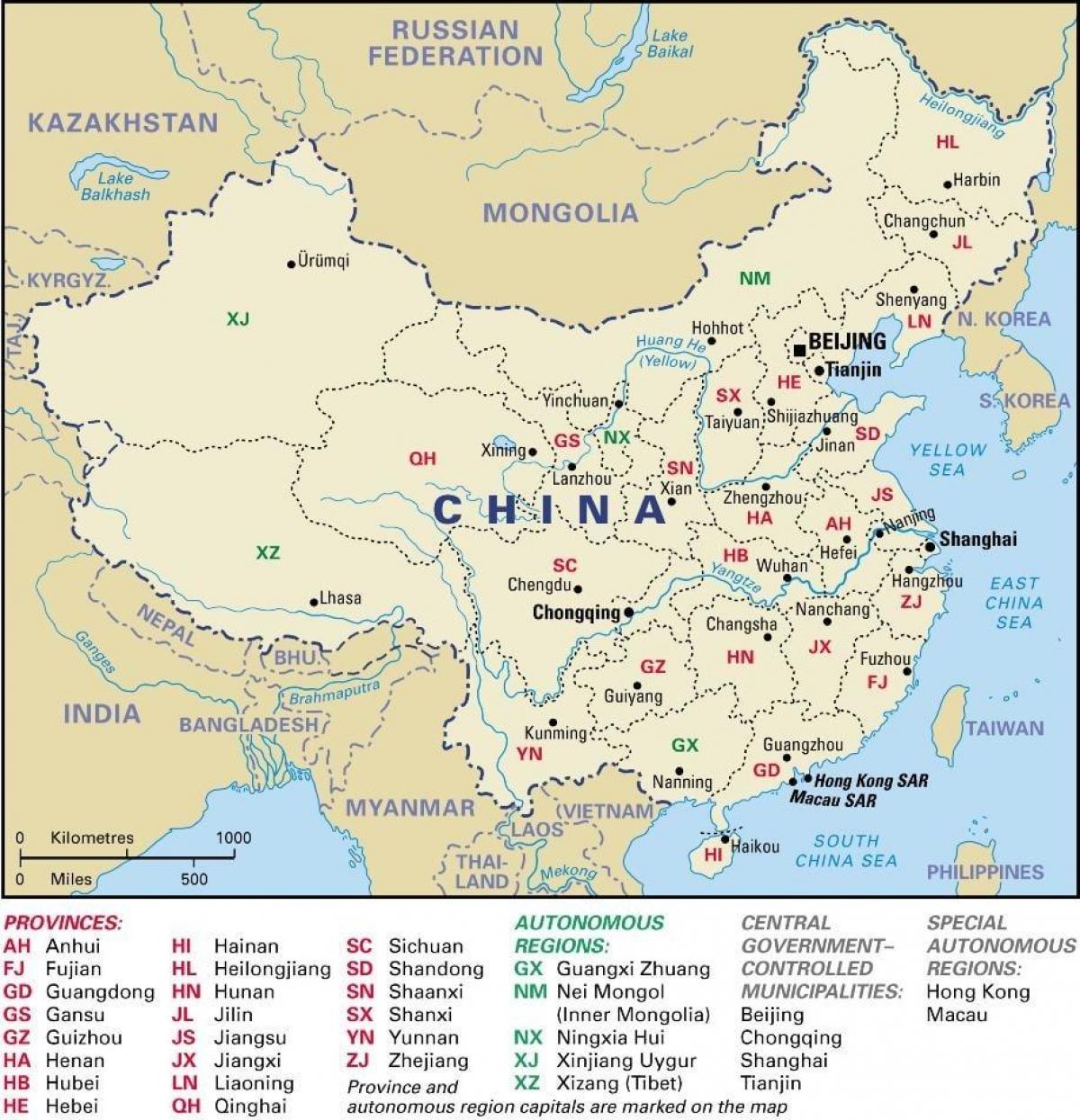
This six-day theatrical production is scheduled to move across the region like a traveling political circus. The body leaves Tehran to go through Qom before crossing the border into Iraq. At the specific request of Iraqi Shia politicians, the coffins will be paraded through the holy streets of Najaf and Karbala, aiming to whip up pan-Shia solidarity across the Middle East. The final burial is set for Thursday at the holy shrine of Imam Reza in Mashhad.
The regime wants you to look at the massive crowds, the free food, the chanting masses, and the state-funded flags and believe that the Islamic Republic is as permanent as the mountains surrounding Tehran. Don't fall for the theater. This funeral is the frantic, final performance of an old guard that knows its audience is rapidly walking out of the theater.
If you are tracking the future of the Middle East, stop watching the state media broadcasts of the weeping crowds. Pay attention to what happens on Friday morning when the free bread stops flowing, the barricades come down, and the millions of ordinary Iranians who stayed home have to face the brutal reality of a crippled economy, an invisible leader, and a war that is far from over.