Pakistan just went on the offensive along its porous western frontier, launching a synchronized mix of ground incursions and cross-border aerial assaults. The military operations left 29 militants dead, signaling a sharp escalation in an already volatile neighborhood.
If you are trying to understand why Islamabad suddenly pulled the trigger on this high-risk border operation, you have to look at what happened just 24 hours prior.
On Saturday night, heavily armed militants carrying automatic rifles and explosives rammed a vehicle through the gates of the paramilitary Sindh Rangers headquarters in the southern port city of Karachi. The high-profile assault killed three Pakistani soldiers. Security forces managed to kill three of the attackers and capture a fourth wounded fighter, who the military explicitly identified as an Afghan national.
When Jamaat-ul-Ahrar, a violent breakaway faction of the Pakistani Taliban, claimed responsibility for the Karachi bloodbath, Islamabad decided it had seen enough. By Sunday, elite infantry and air assets were moving toward the rugged frontier.
Behind the Numbers of the Latest Border Operation
Islamabad did not just launch a blind retaliatory strike. This was a targeted, two-pronged operation designed to eliminate senior leadership and dismantle logistics hubs.
The assault began on the ground in the Bajaur district of northwestern Khyber Pakhtunkhwa province. Acting on hard intelligence, Pakistani troops closed in on a high-value target. The resulting firefight ended with the death of Khan Farosh, a high-ranking commander belonging to what the state calls "Fitna al-Khwarij"—the official government designation for the banned Tehreek-e-Taliban Pakistan (TTP). Three other fighters died alongside him in the dirt.
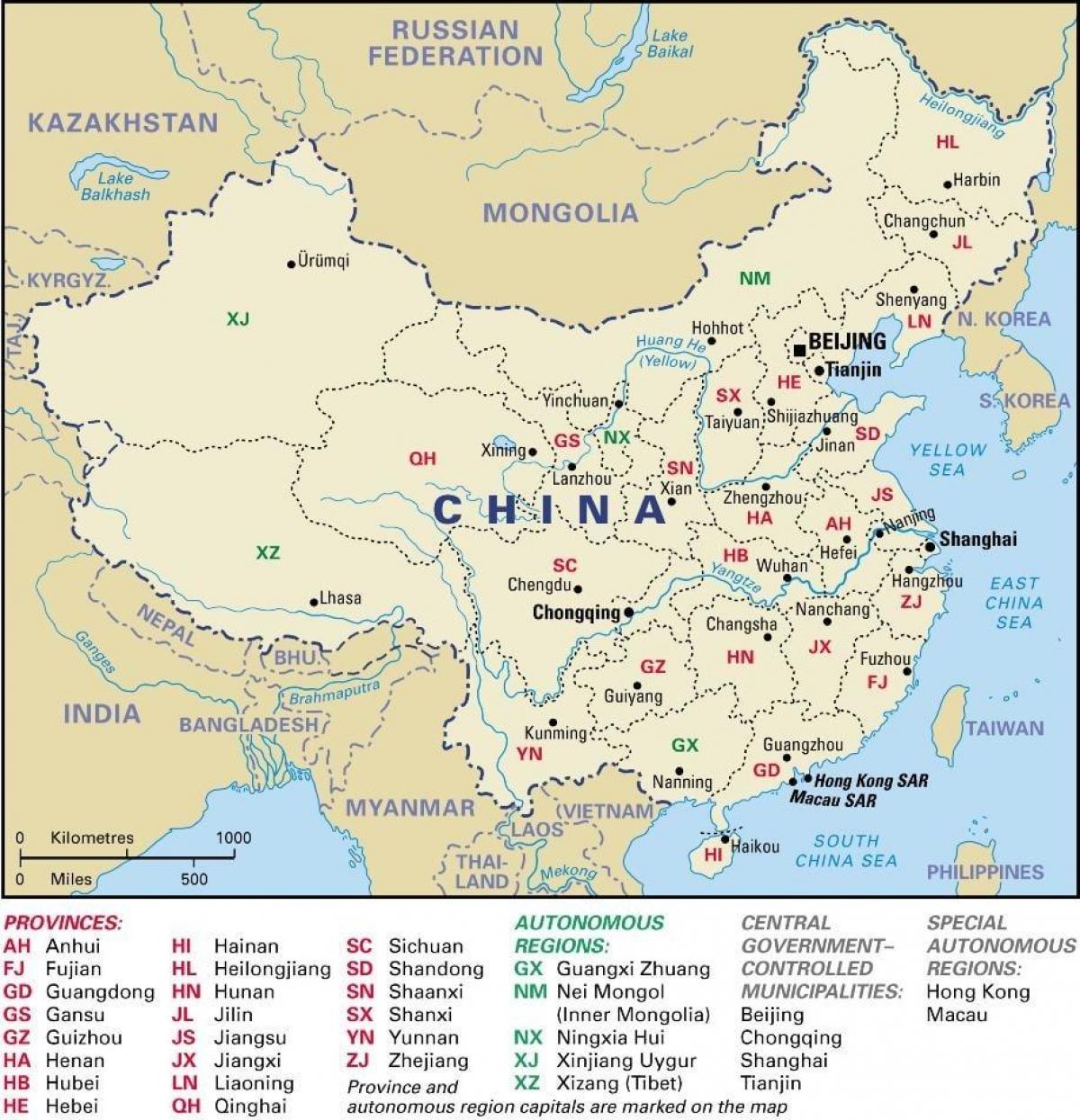
Immediately following the ground operation, Pakistan initiated what Information Minister Attaullah Tarar termed "calibrated strikes." These were not random artillery barrages. They were precise aerial bombardments hitting three distinct geographic zones inside Afghanistan:
- Paktia Province
- Paktika Province
- Kunar Province
The air strikes obliterated three major militant strongholds, killing an additional 25 fighters. According to official military statements, the blasts cooked off massive stockpiles of ammunition and weapons stored at the camps. This brings the total militant body count to 29 across both phases of the operation.
What Most People Get Wrong About the TTP and the Afghan Taliban
It's easy to look at the region and assume all Taliban groups are the same entity. They aren't. And understanding the friction between them explains why these border strikes are so dangerous for regional diplomacy.
The TTP, or Pakistani Taliban, is completely separate from the Afghan Taliban currently governing Kabul. However, they share a deep ideological bond and a history of fighting side-by-side. When the Afghan Taliban swept back into power in Kabul in 2021, it completely flipped the security dynamic for Pakistan.
Islamabad expected a friendly government in Kabul to crack down on Pakistani militants hiding across the border. Instead, the opposite happened. The TTP gained a massive sanctuary. From these safe havens, fighters regularly cross into Pakistan, ambush police checkpoints, execute suicide bombings, and slip back over the border before the Pakistani military can catch them.
Kabul continuously denies that it harbors these networks. But the capture of an injured Afghan national inside the Karachi Rangers compound makes that denial nearly impossible for Pakistan to accept.
The Failing Diplomatic Options
This isn't an isolated border skirmish. It's the continuation of a brutal, tit-for-tat conflict that has been simmering aggressively.
Hundreds of combatants and civilians have died in cross-border clashes since February, when Afghan forces launched retaliatory strikes following an earlier round of Pakistani aerial operations inside Afghanistan. International players are terrified of a full-scale war breaking out between two heavily armed neighbors, but diplomacy is failing completely.
Multiple rounds of internationally mediated peace talks have broken down without securing a functional ceasefire. Even China stepped in, hosting both delegations in Beijing back in April. At the time, Chinese officials claimed both sides agreed to explore a peaceful solution and de-escalate the border. Sunday's heavy kinetic action shows those diplomatic promises lasted less than three months.
Islamabad is sending a clear signal to Kabul: if the Afghan Taliban won't police their own territory, Pakistani jets and commandos will do it for them.
Immediate Practical Security Steps
The escalation means the frontier is highly unstable. For organizations operating near the border or analysts tracking regional risks, immediate adjustments are necessary.
First, lock down travel corridors through Khyber Pakhtunkhwa and Balochistan. The TTP routinely responds to cross-border strikes by launching retaliatory bombings against soft targets, specifically targeting local police stations, military convoys, and government infrastructure. Expect increased security check-points and snap curfews across major transit routes near Bajaur.
Second, prepare for prolonged diplomatic gridlock. Trade crossings like Torkham and Chaman are highly susceptible to sudden closures as political tensions rise. Supply chains moving goods between Karachi ports and landlocked Afghanistan face immediate disruption. Businesses must diversify transit routes or brace for significant border delays.