We are witnessing a dangerous, unchecked escalation along the Durand Line. The latest overnight air and ground strikes by Pakistani forces inside eastern Afghanistan have left at least 36 civilians dead and over 160 wounded. It is the bloodiest flare-up since the brief, devastating war between the two nations back in February.
If you think this is just another minor border skirmish, you are missing the bigger picture. The cross-border violence is no longer just about sporadic gunfire between border guards. It has evolved into a cycle of structural state-on-state violence that regional heavyweights like China and Saudi Arabia are failing to contain.
The Deadly Double Tap in Paktia
The reality on the ground is grim. According to Afghan Taliban officials, the Pakistani operation hit three eastern provinces: Paktia, Paktika, and Kunar. The worst of the devastation happened in the Chamkani district of Paktia province.
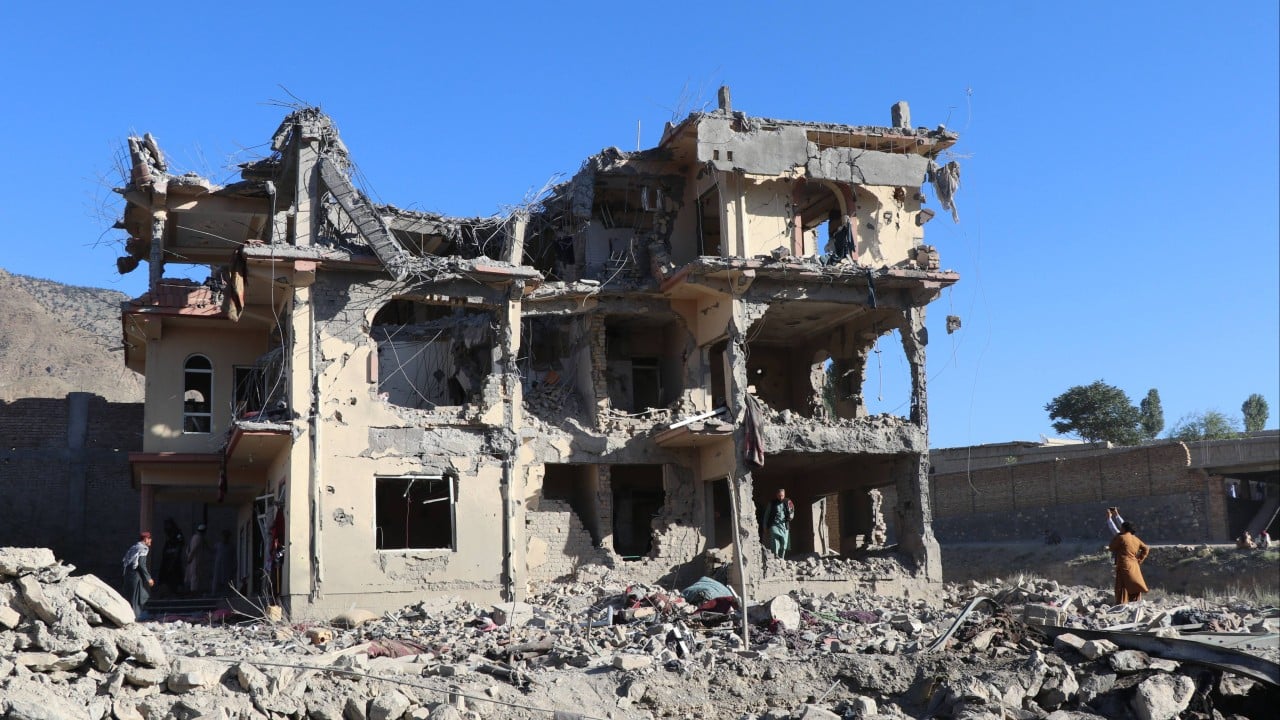
Local reports paint a horrifying picture of what happened on Sunday night. An initial airstrike targeted a civilian home, instantly killing an elderly man and a child. As neighbors and villagers rushed to the scene to pull survivors from the rubble, a second strike hit the exact same coordinates. This tactic, often called a "double tap," killed 28 villagers and wounded 158 others in one single swoop.
In neighboring Paktika province, specifically within the Giyan district, another home was leveled. Six people died there, mostly women and children. Meanwhile, in Kunar province, a strike hit another home, wiping out around 30 livestock but miraculously sparing human lives.
Pakistan tells a completely different story. Information Minister Attaullah Tarar claimed that the military killed 29 fighters during an intelligence-based ground operation and subsequent airstrikes. He shared videos showing projectiles hitting what Islamabad claims are sprawling camps and ammunition stockpiles belonging to terrorist groups.
The Karachi Trigger and the Blame Game
Why did Pakistan strike now? The catalyst was a deadly militant attack on Saturday night in Karachi. Armed militants targeted the regional headquarters of the paramilitary Pakistan Rangers, killing three soldiers. Pakistani security forces killed three of the attackers and captured a wounded assailant.
The military quickly identified that captured attacker as an Afghan national. Jamaat-ul-Ahrar, a prominent breakaway faction of the Pakistani Taliban (Tehrik-e-Taliban Pakistan, or TTP), claimed responsibility for the Karachi raid.
For Islamabad, the math is simple. They believe the TTP and its offshoots operate out of safe havens provided by the Afghan Taliban. Pakistan refers to the group as "Fitna al-Khawarij" to strip them of religious legitimacy. Tarar made it clear that while Pakistan wants regional peace, it will not compromise on the safety of its citizens.
The Afghan Taliban completely rejects these allegations. Their spokesperson, Zabihullah Mujahid, condemned the strikes as a cowardly act of aggression. The Taliban government insists it does not harbor foreign militants or allow its soil to be used against neighbors. They view the civilian body count as proof of raw brutality rather than a precision counter-terror operation.
Failed Diplomacy and the Threat of All Out War
The ground truth is that the bilateral relationship has been fundamentally broken since the Taliban took Kabul in 2021. For years, Islamabad hoped a friendly Islamist regime in Afghanistan would secure its western border. Instead, the exact opposite happened. The TTP felt emboldened, leading to a massive spike in terror attacks inside Pakistan.
This structural tension boiled over into open warfare earlier this year. The February 2026 war killed hundreds of people and displaced tens of thousands of civilians. While Beijing managed to broker a shaky ceasefire in April, that agreement has completely dissolved.
The strategy of using cross-border airstrikes to hit back at insurgent safe havens is a high-stakes gamble for Pakistan. It yields immediate domestic political points but guarantees long-term instability. It hardens the resolve of the Afghan Taliban, who have already promised retaliation "in due time." Hayatullah Mohajer Farahi, the deputy minister for publications, explicitly warned that serious measures will be taken when the time is right.
What Happens Next along the Border
The frontier is now locked down and both militaries are on high alert. If you are tracking regional security in South Asia, look for these critical signals over the coming weeks.
Watch the border crossing points. Main trade arteries like Torkham and Chaman will likely see prolonged closures, strangling the fragile Afghan economy and driving up local prices in Pakistan.
Monitor the Taliban's military movements. They cannot match Pakistan's air power, so look for a surge in cross-border artillery shelling or asymmetric rebel incursions along the Durand Line.
Keep an eye on regional mediation. Since China and Saudi Arabia failed to secure a permanent peace, see if international bodies try to intervene before the tit-for-tat strikes turn into a full-scale conventional war.
The cycle of retaliation is self-sustaining right now, and neither side shows any willingness to blink first.