Social media handles context poorly. You probably remember the viral video from Manchester Airport back in July 2024. It showed a chaotic, violent scuffle where a police officer appeared to kick and stamp on a man on the floor. Public outrage exploded instantly. Protests filled the streets. But a massive piece of the narrative was completely missing from that initial snippet.
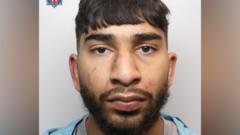
On June 26, 2026, the legal system finally delivered its response. Mohammed Fahir Amaaz, a 21-year-old from Rochdale, received a three-and-a-half-year prison sentence at Liverpool Crown Court. He was convicted of common assault and two counts of actual bodily harm after a four-week trial. The sentencing brings a dramatic, sobering close to a case that originally polarized the nation. Meanwhile, you can explore other stories here: The Real Cost Of The Strait Of Hormuz Container Ship Attack.
The Reality Behind the Viral Video
The trouble didn't start with the police. It began inside a Terminal 2 Starbucks coffee shop when Amaaz headbutted a passenger who had just stepped off a flight. When three Greater Manchester Police officers caught up with Amaaz at a nearby car park ticket machine to arrest him, things turned incredibly ugly.
Amaaz chose to fight. He threw ten punches, two elbow strikes, and a kick at the responding officers. This wasn't a standard struggle against arrest. It was a high-level explosion of raw violence. The officers were blindsided. To understand the complete picture, check out the detailed report by TIME.
PC Lydia Ward, who has since been promoted to sergeant, stood 5 feet 2 inches tall and weighed barely eight stone at the time. Amaaz looked her dead in the eye and punched her square in the face. The single punch carried enough force to break her nose and drop her to the floor. He then turned his violence on PC Ellie Cook, knocking her down with powerful punches and jaw-damaging blows.
The Brutal Impact on the Frontline
The victim impact statements read out in court cut through the political noise that has surrounded this case for nearly two years. They reveal the deep physical and psychological scars left behind when emergency workers are treated like human punchbags.
Sgt Lydia Ward addressed Amaaz directly via a videolink from prison, where he has been held on remand for 11 months. She asked him if he could see how petrified she was right before he hit her. She described hitting the floor, seeing the blood, and thinking her life was over. She still has a physical scar on her nose. The psychological loop plays constantly in her mind.
PC Ellie Cook's statement was equally devastating. The attack completely broke her. She confessed that the sheer power of the punches made her believe she was being beaten by a whole crowd of people. Because of this incident, she abandoned her lifelong dream of becoming a firearms officer.
What angered the officers most was the aftermath. Amaaz and his family played the victim role on the national stage when the partial phone footage leaked. They allowed the public to feel sorry for them while staying completely silent about the broken bones and concussion they inflicted on the people trying to protect the public.
Navigating Justice and Public Perception
This case highlights how incredibly dangerous it is to judge a police interaction based entirely on a ten-second social media clip. The initial wave of public sympathy for Amaaz forced immediate scrutiny on the officers. The Independent Office for Police Conduct launched investigations. Politicians weighed in.
While the Crown Prosecution Service dropped further trial attempts against Amaaz's brother after juries failed to reach verdicts regarding actions toward another male officer, the case against Mohammed Fahir Amaaz was ironclad. The jury saw the full, unedited bodycam and CCTV footage. They saw the headbutt in Starbucks. They saw the relentless assault on two female officers who went to work that day just to keep travelers safe.
Justice took time. It took nearly two years of legal proceedings, trials, and intense public debate to get here.
Emergency workers face unexpected conflict daily, but nobody should go to work expecting a broken face. If you see a highly charged incident trending online, wait for the full evidence to surface before drawing conclusions. Support local emergency services by reporting airport disruptions directly to terminal security rather than intervening yourself.