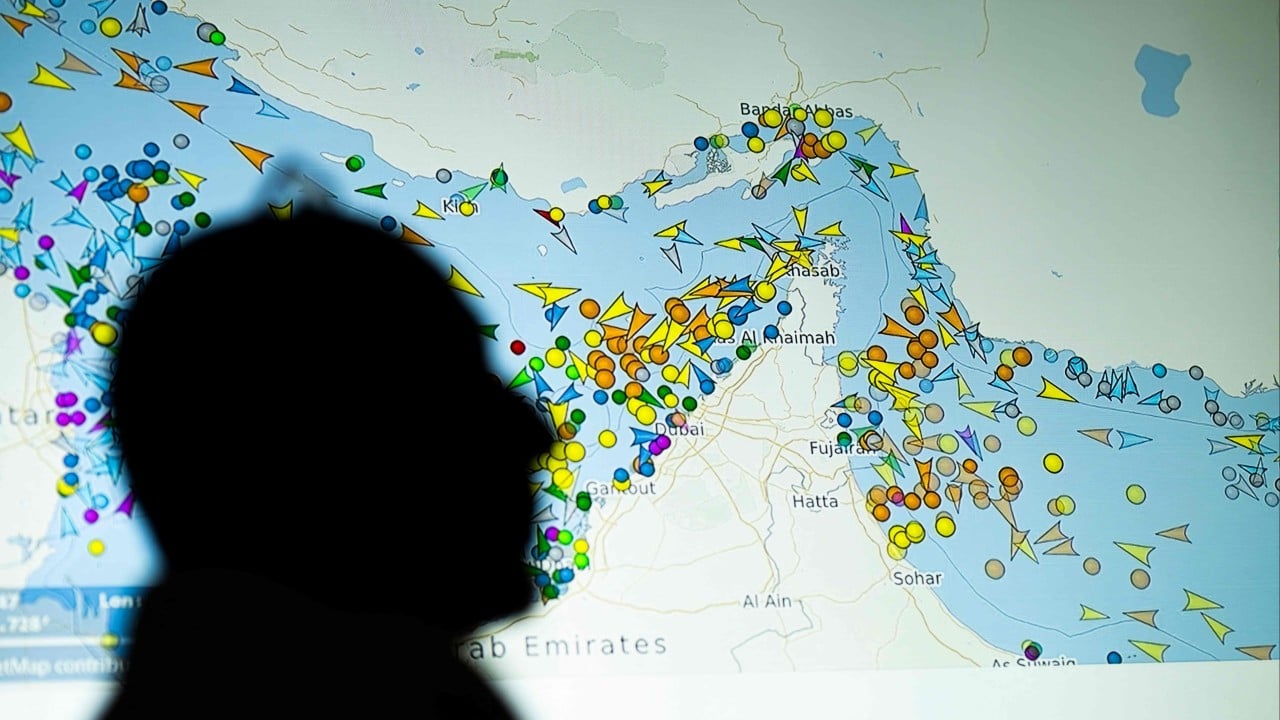
For decades, military planners drew the same line on the map whenever they modeled a conflict with Iran. They drew it right across the Strait of Hormuz. We were told that if bullets started flying, Tehran would simply drop a padlock on that narrow choke point, squeeze twenty percent of the world's petroleum supply, and watch the global economy choke.
It turns out that old playbook is dangerously outdated.
The ongoing war between the US, Israel, and Iran proves the conflict has completely outgrown its old geographical boundaries. If you're still watching naval movements in the gulf to figure out who's winning, you're looking at the wrong map. The recent attack on the Aq Taqeh Khan bridge makes this undeniably clear. The battlefront has shifted from open water to the deep internal infrastructure that keeps Iran breathing when its coasts are blocked.
Tehran knows it can't match American or Israeli firepower in a conventional face-off. Washington knows that trying to occupy a mountainous country of nearly ninety million people is a fool's errand. So the war has mutated into an aggressive, grinding campaign against the physical links that connect Iran to its neighbors.
Beyond the Choke Point
When Donald Trump announced the reinstatement of the naval blockade and a steep twenty percent transit fee for shipping through Hormuz, it felt like a throwback to the old ways of thinking. But look closely at how the actual fighting plays out. The Strait itself is a mess of drone strikes, intercepted container ships, and naval posturing. The real strategic crippling happens hundreds of miles inland.
Iran prepared for a naval blockade for thirty years. They built overland supply lines, alternative transit loops, and trade agreements with landlocked neighbors to bypass the sea entirely. The Aq Taqeh Khan bridge strike directly targeted that insurance policy. By blowing up the concrete and steel that allows trucks to bypass contested waters, northern supply routes are severed.
This isn't about halting oil tankers anymore. It's about paralyzing the internal circulation of an entire nation.
If you look at the map of regional strikes over the last few months, a clear pattern emerges.
- Bridges linking Iran to Central Asian trade hubs are dropping.
- Railways designed to move goods from Russian ports down to the Caspian Sea face sudden, anonymous sabotage.
- Power grids feeding regional manufacturing hubs flicker out.
The logic is brutal but simple. If the US and its allies can't completely stop Iran from selling oil, they'll destroy the physical capacity of the country to process food, transport medicine, and move domestic military assets.
The Logistics War Everyone Missed
Think about how a modern economy actually survives under total sanctions. It relies on a delicate web of regional trucking routes, secondary rail lines, and back-country pipelines. Iran's leadership figured out long ago that if the Persian Gulf became a no-go zone, they could survive on northern and eastern land borders.
That theory is currently being tested to destruction. The air campaign has quietly shifted from targeting missile silos and nuclear facilities to pounding mundane logistical infrastructure. When a key railway bridge near the Turkmen border is taken out, it doesn't make the same flashy headlines as a sunk destroyer. But its economic impact is far more devastating.
Western military strategists finally realized that plugging the bottle doesn't work if the bottle has holes in the back. By shifting targets to internal bridges and transit junctions, they force Iran to burn through its dwindling domestic resources just to keep basic supply lines open. It's a war of attrition wrapped in an engineering nightmare.
Iran's response shows they understand this shift perfectly. They aren't just firing missiles at warships in the Gulf. They're targeting American logistics bases in Jordan and Bahrain, trying to make the regional footprint too expensive and chaotic for Washington to sustain. They're also hitting back at neighboring Gulf states, sending a blunt message: if our domestic infrastructure burns, your shiny supply chains won't survive either.
The Failure of the Old Deterrent
For years, the threat of closing Hormuz was Iran’s ultimate insurance policy. It was the geopolitical equivalent of a dead man's switch. The theory went that the West would never push Tehran too hard because the resulting energy price spike would cause a global depression.
But that leverage is actively evaporating. The global energy market has changed. Russia's sudden diesel export bans and shifting supply lines mean the world is already adapting to chaotic energy flows. More importantly, the US has shown it's willing to absorb the economic pain of a messy, contested strait if it means finally breaking the Islamic Republic’s regional influence.
When Trump threatens to "completely decimate" Iranian territory and slaps fees on global shipping, the old rules of diplomatic caution go out the window. The White House isn't playing the old game of managing tensions. They're trying to fundamentally break the state’s ability to function.
This means the conflict won't end with a neat naval treaty or a signed piece of paper reopening a shipping lane. The destruction of internal infrastructure leaves long-lasting scars that take years, sometimes decades, to rebuild. Even if a ceasefire is struck tomorrow, the destruction of bridges like Aq Taqeh Khan means Iran's economic recovery is already hobbled.
Your Next Steps to Track This Conflict
To get an accurate picture of where this war is heading, stop focusing exclusively on naval tracking data in the Persian Gulf.
- Watch the Land Borders: Track commercial truck transit volumes across Iran’s borders with Turkey, Turkmenistan, and Armenia. If these drop significantly, the infrastructure war is succeeding.
- Monitor Regional Power Grids: Keep an eye on electricity supply data in the Middle East. Infrastructure strikes often manifest first as massive, unexplained regional blackouts.
- Follow the Rail Lines: Pay attention to the International North-South Transport Corridor (INSTC). Any disruption to this rail network is a direct hit to Iran's survival strategy.