Geopolitics loves a grand announcement, but it usually ignores the boring, crucial mechanics that make alliances actually work. For decades, India and Indonesia looked great on paper. Two massive democracies, shared maritime borders, and a mutual distrust of heavy-handed regional bullies. Yet, the relationship felt stuck in first gear.
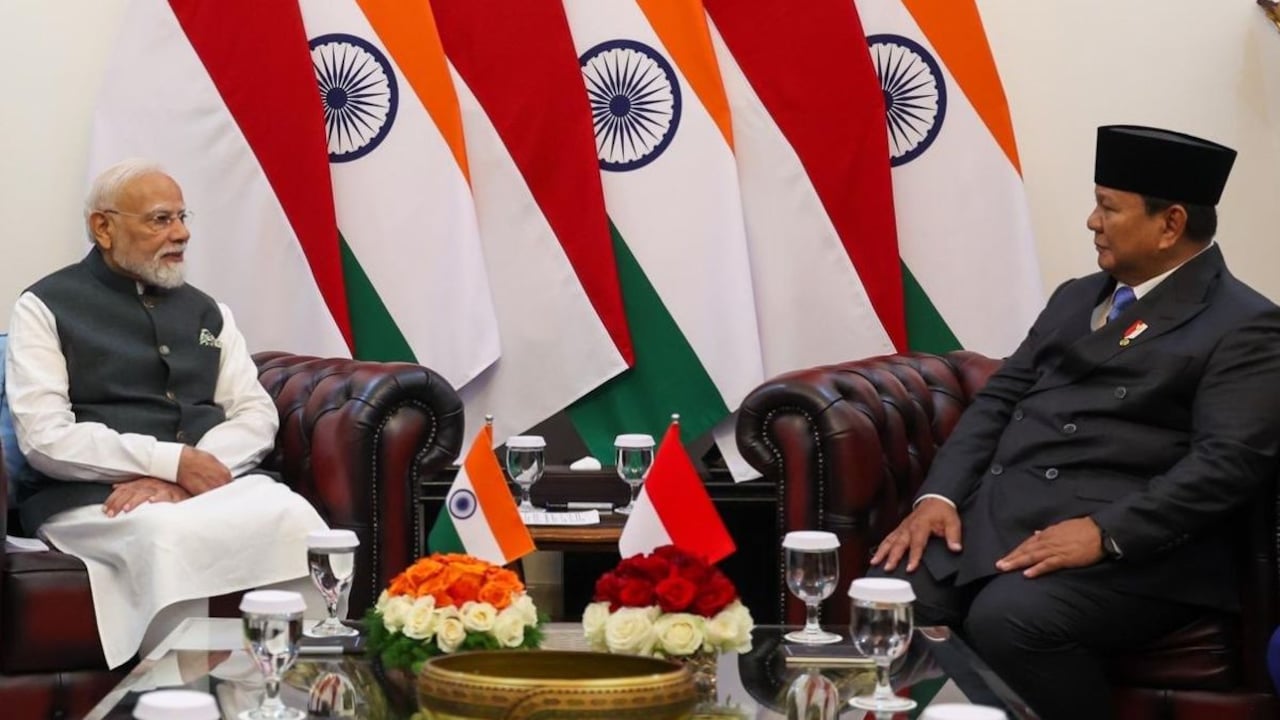
That just changed. Prime Minister Narendra Modi’s high-stakes visit to Jakarta has moved the needle from polite diplomatic talk to hard corporate, technological, and military integration. If you want to understand where the Indo-Pacific power balance is shifting in 2026, stop looking exclusively at Washington or Beijing. Watch the Andaman Sea instead.
The freshly minted roadmap between New Delhi and Jakarta isn't just another dry diplomatic communique. It is a practical playbook covering missile batteries, digital banking systems, and deep-water ports that directly impacts how business, shipping, and security function across the world's most critical trade corridors.
Beyond Buying and Selling
The headline grabber from the Jakarta bilateral talks is defense, specifically the finalized deal for India to supply BrahMos supersonic cruise missile systems to Indonesia. This is a massive leap forward. For years, Southeast Asian nations bought hardware from Western legacy contractors or Russian state enterprises. Jakarta choosing Indian missile ecosystems signals a major shift.
But the real story isn't the transaction itself. It's the transition toward co-production and technology transfers. Indonesian defense planners made it clear they don't want to be a mere customer anymore. They want to absorb manufacturing capabilities.
- Astra and BrahMos integration: Joint development initiatives mean Indonesian technical teams will work alongside Indian engineers to integrate localized coastal defense networks.
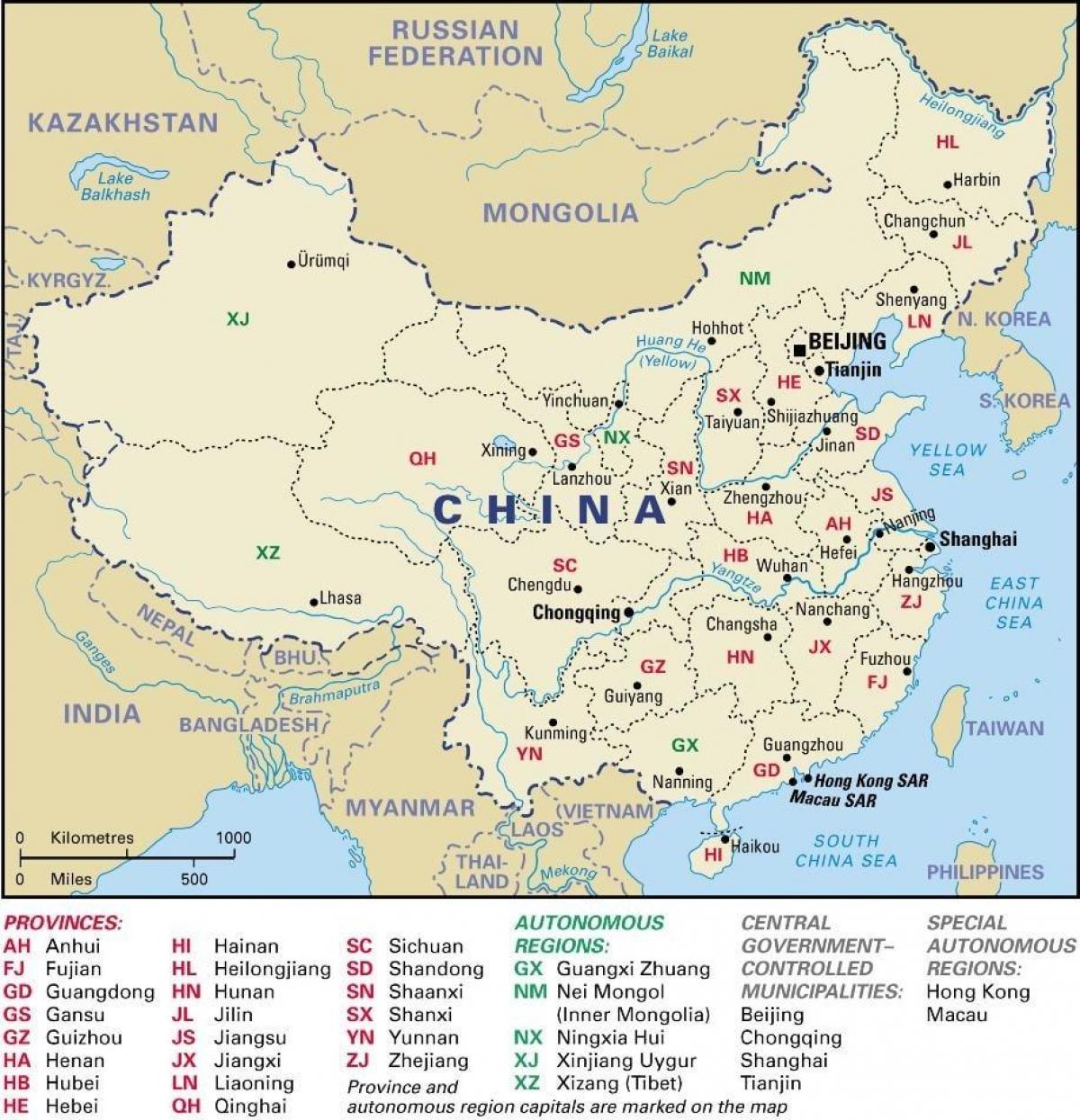
- The Sabang Port play: India’s involvement in developing Indonesia's Sabang Port gives New Delhi a commercial and logistics foothold right at the mouth of the Malacca Strait. It sits roughly 90 nautical miles from India's Andaman and Nicobar Islands, creating a direct maritime corridor.
- Constant patrols: Expect tighter, synchronized naval patrols (IND-INDO CORPAT) and real-time maritime domain awareness data sharing to protect these exact chokepoints.
[Andaman & Nicobar Islands (India)] <--- ~90 Nautical Miles ---> [Sabang Port (Indonesia)]
                                                                       |
                                                           (Gateway to Malacca Strait)
The Digital Plumbing Connect
While naval vessels grab the photo ops, the digital public infrastructure agreement will change daily life for businesses and travelers much faster. India and Indonesia are linking their real-time payment architectures. This means India’s Unified Payments Interface (UPI) will talk directly to Indonesia’s digital payment network.
Think about what this solves. If you're an Indian tech consultant in Jakarta or an Indonesian exporter dealing with merchants in Mumbai, you can bypass the traditional, slow, and expensive SWIFT international banking clearing networks for everyday trade. It cuts out heavy transaction fees and diminishes heavy reliance on the US dollar for direct bilateral trade settle-ups.
Furthermore, Indonesia is rolling out its own Indonesia Open Network (ION), built straight from the blueprint of India's Open Network for Digital Commerce (ONDC). This isn't software piracy; it's deliberate, state-backed technology sharing to build an alternative digital ecosystem that doesn't rely entirely on Silicon Valley or Shenzhen tech monopolies.
Even the democratic process is getting a tech upgrade. Indonesia is eyeing customized Indian Electronic Voting Machines (EVMs) for its massive, logistically complex island elections. Managing an election across thousands of islands is a nightmare Jakarta knows all too well, and India’s battle-tested hardware fits the bill.
Balancing the Balance Sheets
We need to talk about the elephant in the room: the lopsided trade ledger. Bilateral trade hit $24.78 billion in the last fiscal year, but it is heavily skewed. India ran a massive $15.8 billion trade deficit with Indonesia, largely because India sucks up Indonesian coal, crude palm oil, and raw minerals like a sponge.
Bilateral Trade Balance (FY26):
Total Volume: $24.78 Billion
Indian Exports to Indonesia: $4.49 Billion
Indian Imports from Indonesia: $20.29 Billion
India's Trade Deficit: $15.8 Billion
To bridge this gap, both nations are moving up the value chain via industrial joint ventures instead of just trading raw commodities. Take the new joint venture between Steel Authority of India Ltd. (SAIL) and Indonesia's PT Krakatau Steel. They are building a major stainless-steel slab manufacturing facility inside Indonesia.
This matches Indonesia’s strict domestic downstreaming policy—they won’t let companies just mine their islands and ship raw dirt abroad anymore. By marrying Indonesia’s nickel and mineral wealth with Indian manufacturing scale, both sides get a piece of the lucrative global electric vehicle and battery supply chains.
Real Steps for Businesses and Investors
If you operate in logistics, defense tech, digital finance, or commodities, this political roadmap gives you immediate cues on where to allocate resources over the next 24 months.
- Set up Local Currency Settlement accounts: Stop routing your trade contracts through US dollar conversions. Use the formal framework set up by Bank Indonesia and the Reserve Bank of India to protect your margins from currency volatility.
- Audit the Sabang-Andaman logistics corridor: Shipping companies should prepare for new transshipment routes. Once Galathia Bay in Greater Nicobar and Sabang Port open up their integrated operations, transit times through the Malacca Strait will see major structural shifts.
- Target EdTech and institutional expansion: Look at higher education. Prime Minister Modi announced that IIM Bangalore is opening its very first overseas campus right in Indonesia. The demand for tech talent and managerial expertise in Jakarta is skyrocketing, and institutional capital is following it.