The sea of black-clad mourners filling the desert city of Qom isn't just about grief. It's a carefully staged display of geopolitical defiance. When the body of Iran’s slain leader, Ayatollah Ali Khamenei, arrived in the clerical heartland of the Islamic Republic, it marked the fourth day of a grueling, highly choreographed six-day funeral procession. Western media outlets focus heavily on the sheer numbers or the rhythmic chanting of familiar slogans. They miss the real story happening beneath the surface. This marathon event is a desperate attempt by a battered regime to signal absolute stability to its allies and enemies alike, right when its internal foundations are shaking.
Khamenei was killed back on February 28 during the opening salvo of the devastating U.S.-Israeli war against Iran. The authorities delayed his public funeral for over four months, blaming the active conflict and intense security threats. Holding it now, as fragile peace negotiations stall and flames lick the edges of the Middle East, is a deliberate calculation. The government is using the ultimate symbol of the state—the body of its late Supreme Leader—to paste over deep fractures within the country's leadership and a population deeply exhausted by war and economic ruin.
The Geopolitical Theatre Inside the Holy City of Qom
Qom isn't just any Iranian city. It's the theological powerhouse of Shia Islam, home to the country's most influential seminaries and shrines. Bringing the body of Ayatollah Ali Khamenei here is about securing the religious legitimacy that underpins the entire ruling establishment. On Tuesday, aerial footage broadcast by state television showed the narrow streets of the city, home to 1.5 million residents, packed shoulder-to-shoulder.
Inside the historic Jamkaran Mosque, the remains of Khamenei and four relatives killed alongside him were placed on display. Among the caskets was a tiny box containing his 14-month-old granddaughter, a detail the state media has broadcast repeatedly to stoke emotional fury and national solidarity. The prayer service inside the mosque was led by Abdollah Javadi-Amoli, a conservative 93-year-old ayatollah. The choice of such a senior, deeply traditional figure is intentional. It shows the old guard is still holding the line, even when everything else is up in the air.
After the prayers, a flatbed truck carried the flag-draped coffins toward the famous mausoleum of Fatima Masumeh. The temperature in the city hovered near 40 degrees Celsius. Fire trucks and water cannons sprayed the tightly packed crowds to keep people from fainting. This wasn't just a religious ceremony. It was a massive logistical operation designed to project overwhelming strength.
The Invisible Successor and the Power Vacuum
If you want to understand the true anxiety of the Iranian state right now, you don't look at the millions of people chanting in the streets. You look at who wasn't there.
Mojtaba Khamenei, the late leader's son and designated successor, has been a ghost. He hasn't appeared in public since his snap appointment in early March, just a week after his father's death. Government officials claim he was wounded in the very same airstrike that killed the Supreme Leader, but rumors are flying fast across Tehran. Is he too severely injured to lead? Is there a vicious, quiet knife fight happening behind closed doors among the elite factions of the Islamic Revolutionary Guard Corps?
The absence of the new Supreme Leader during the most significant state funeral in nearly forty years is a massive, gaping hole in the regime's narrative of seamless continuity. His brothers—Meysam, Masoud, and Mostafa—were photographed weeping and praying over the caskets during the earlier ceremonies in Tehran. Mojtaba's empty chair speaks louder than any sermon delivered by the aging clerics in Qom.
Without a visible, strong leader at the top, the regime is relying on a collection of secondary figures to present a united front. President Masoud Pezeshkian and Parliament Speaker Mohammad Bagher Ghalibaf have been forced to share the stage constantly. They want everyone to think the machinery of government is running perfectly. But anyone who understands Iranian politics knows this is a temporary fix.
War Footing and the Shadows of Internal Dissent
The tone of these proceedings is noticeably different from past state funerals. It is aggressively militant. This isn't just about mourning a religious guide. It's about rallying a nation that is still technically at war. In Qom, the crowds chanted "death to America" and waved massive red flags, which symbolize the traditional Islamic demand for blood revenge. Banners hung across the holy city featured the funeral's official slogan, "We should rise up," alongside aggressive demands to avenge the blood of the children killed in the airstrikes.
This forced display of unity is happening against a backdrop of severe regional instability. Just as the funeral procession moved through Qom, news broke that two commercial tankers were struck overnight in the strategic Strait of Hormuz, causing an engine room fire on a Qatari liquefied natural gas vessel. Iran's diplomatic team quickly announced there would be no further peace talks with the West unless threats from Washington ceased entirely. The regime is using the emotional high of the funeral to justify its hardline stance on the global stage.
But outside the government-controlled cameras, the mood in Iran is far more complicated. Six months ago, the country was rocked by bloody, widespread anti-government protests. Many ordinary citizens are furious about the spiraling inflation, the destruction of infrastructure during the war, and the regime's constant focus on regional proxy conflicts over domestic well-being. A young woman in Tehran, whose brother was killed by security forces during the winter protests, shared that the weeks of forced state mourning brought zero comfort. To a significant portion of the population, the massive pageantry is an expensive, tone-deaf distraction from the daily struggle to survive.
Tracking the Path of the Six Day Procession
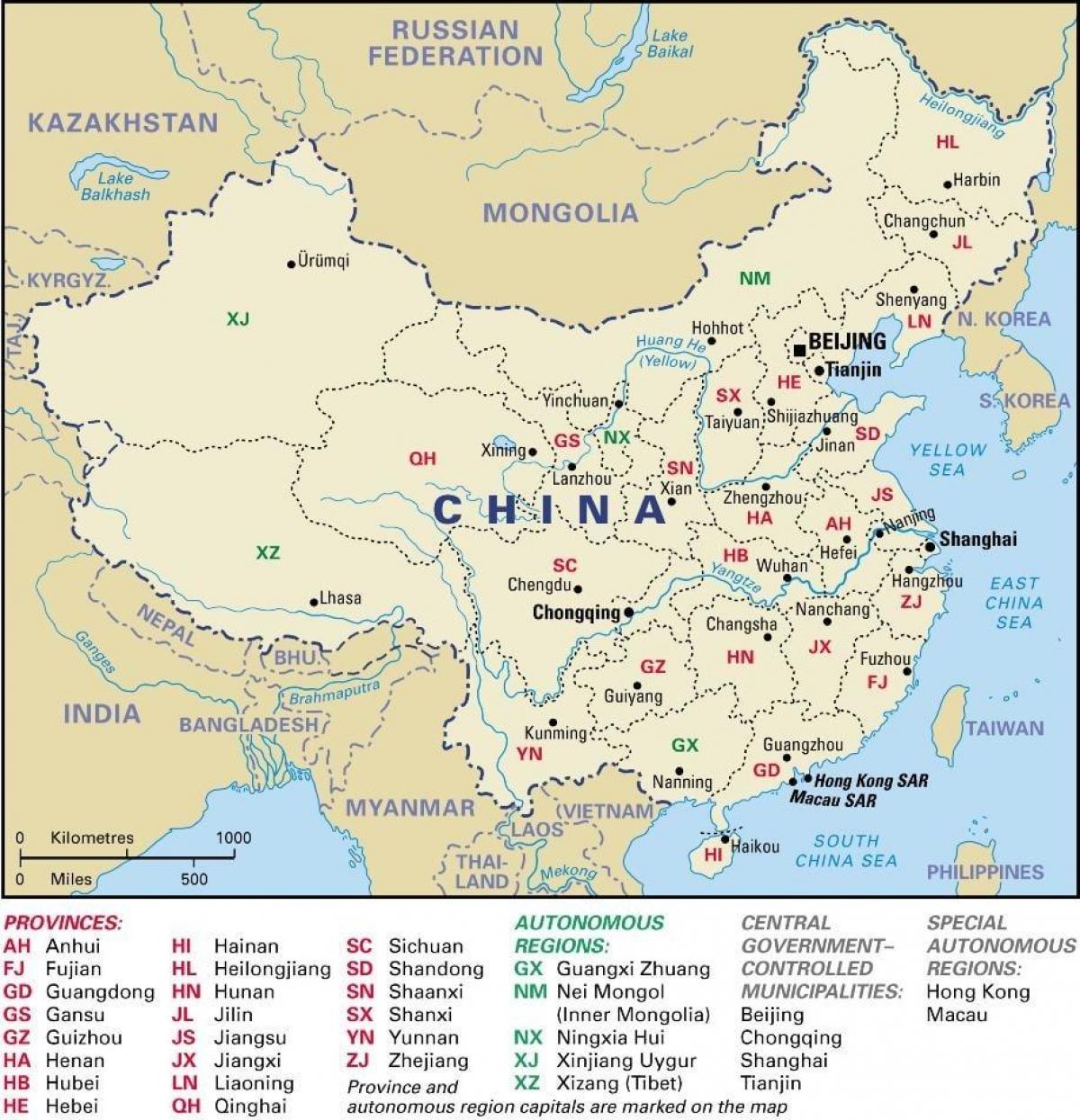
The regime's strategy relies on keeping this emotional momentum going across international borders. The logistical map of this funeral is designed to tie the religious identity of Iraq and Iran together tightly.
- Friday and Saturday: The body lay in state at the Imam Khomeini Grand Mosalla in Tehran, drawing foreign dignitaries from Russia, Pakistan, Iraq, and various regional militant groups.
- Monday: A massive, 20-kilometer procession crawled across the capital city from east to west, ending at Azadi Square.
- Tuesday: The bodies arrived by helicopter in the holy city of Qom for intense religious rites and seminary processions.
- Wednesday: The caskets travel across the border into Iraq, stopping at the sacred Shia shrines of Najaf and Karbala to secure regional religious backing.
- Thursday: The journey ends in Mashhad, Khamenei's northeastern hometown, where he will finally be buried inside the Imam Reza shrine.
What Happens Next for the Region
The elaborate pageant in Qom will wrap up, the crowds will go home, and the regime will have to face reality. Watch the state media closely over the next 48 hours for any sign or statement regarding Mojtaba Khamenei. If he remains hidden through the final burial in Mashhad, expect internal political instability to spike significantly.
Keep an eye on shipping insurance rates and military movements around the Strait of Hormuz. The regime often uses external escalation to distract from domestic political crises. The coming weeks will reveal whether this massive show of public devotion was a sign of genuine resilience or the final, spectacular gasp of an era that has already ended. Ensure you are tracking official maritime security alerts if you have active commercial interests in the Gulf region.