China just completely changed its game plan for oil exports, and the timing couldn't be wilder.
While the Middle East faces renewed volatility after the latest breakdown in the US-Iran truce, Beijing quietly hit the release valve on its massive refining sector. For the first time in four months, China is letting independent private refiners back into the international market, lifting strict fuel export curbs for the rest of July. Trade sources confirmed on Wednesday that authorities approved an unexpected 1.3 million metric tons of oil-product exports just to wrap up the month. Total shipments for July are now expected to hit roughly 3 million metric tons.
If you follow energy markets, you know how huge this is.
When the conflict in the Middle East escalated earlier this year and snarled transit through the Strait of Hormuz, Beijing panicked. They slammed the brakes on fuel exports to protect their own domestic supply. Only massive state-owned oil giants could ship fuel abroad, and even they were on a tight leash. Private "teapot" refiners were completely cut off.
Now, that policy is history. But what does it mean for global fuel prices, regional margins, and the broader economy?
The Shock Wave Hitting Asian Refining Margins
This move injects a massive dose of supply right into a regional market that wasn't prepared for it. Refiners across Asia are already feeling the heat.
The immediate result? Extreme pressure on processing margins. The spread between Asian gasoline prices and Dubai crude—a key metric for tracking refinery profitability—just fell close to its lowest level since late March.
Asian Gasoline Crack Spread -> Reaching Lowest Levels Since March 2026
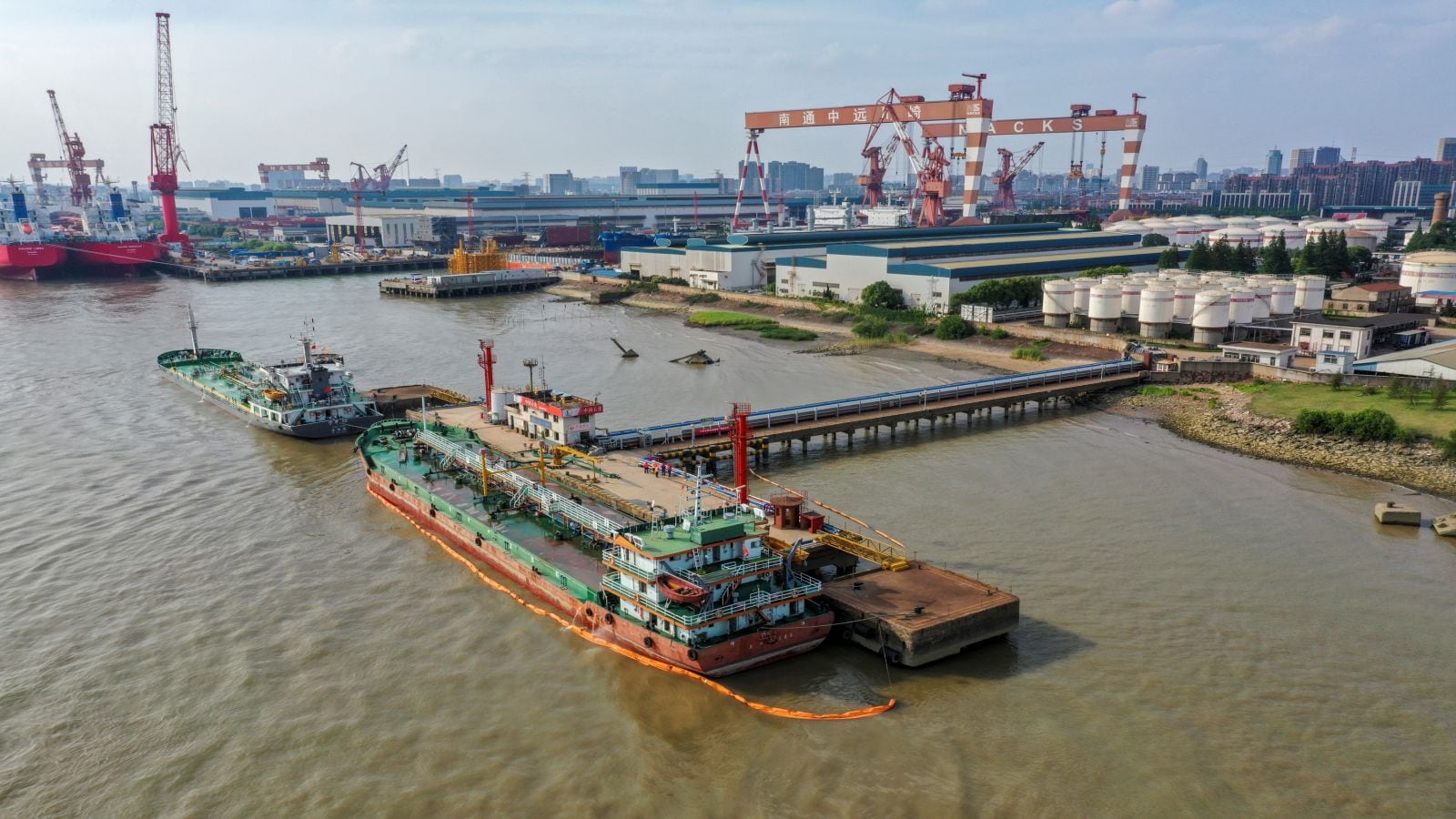
Look at Zhejiang Petroleum & Chemical Co. as an example. The private refining giant, majority-owned by Rongsheng Petrochemical Co., has been completely sidelined from global trade for over three months. This new directive allows them to start booking international product tankers again. When massive private players like Zhejiang ramp up, the ripple effects hit everyone from Singapore to Tokyo.
Cracking the Numbers Behind the July Surge
Let's break down what this actually looks like on the water. Initial projections for China's July exports hovered around a modest 2 million metric tons. With the restrictions suddenly lifted, that number is jumping by an extra million tons.
- The July Baseline: Total exports of gasoline, diesel, and jet fuel are now slated to hit 3 million metric tons.
- The Context: This brings China's current output right back in line with its export averages from one year ago.
- The Rush: Traders are scrambling to secure product tankers this week to move the newly authorized 1.3 million tons before the month ends.
It's a complete u-turn from June, when Beijing allowed a meager 800,000 tons of exports for the entire country.
Why the Timing Is High Stakes
The real story here is the friction between China's actions and what's happening globally. Oil prices surged over 6% on Wednesday after US President Donald Trump declared the temporary ceasefire deal with Iran dead. With the Strait of Hormuz facing potential shipping blockages again, crude prices are pushing back toward $80 a barrel.
So why would China flood the market with refined fuel right when crude supply looks shaky?
It comes down to domestic economics. China's internal fuel demand hasn't recovered as fast as the government hoped. Domestic storage tanks are full, and local refining margins are weak. By opening the export gates, Beijing gives its massive refiners a way to vent excess supply and make cash abroad, even if it depresses regional fuel prices.
It's a risky calculation. It assumes Chinese refiners can count on steady crude imports to keep running hard. If the situation in Hormuz deteriorates further and four-month-old supply blockages return, these newly opened export channels might slam shut just as quickly as they opened. For now, the Ministry of Commerce and the National Development Reform Commission are keeping tight-lipped about whether this policy relaxation will extend into August.
Your Next Moves in a Shifting Energy Market
If you trade energy derivatives, manage logistics, or run an enterprise sensitive to transport costs, don't sit on your hands.
First, watch the Asian gasoline and diesel crack spreads closely over the next ten days. The sudden influx of Chinese product will likely keep regional margins depressed, meaning refined fuel prices might decouple from the spiking cost of raw crude.
Second, expect a localized squeeze on product tanker availability in the South China Sea. If you have physical product to move this month, lock in your shipping freight rates immediately before Chinese private refiners snap up the remaining spot capacity.