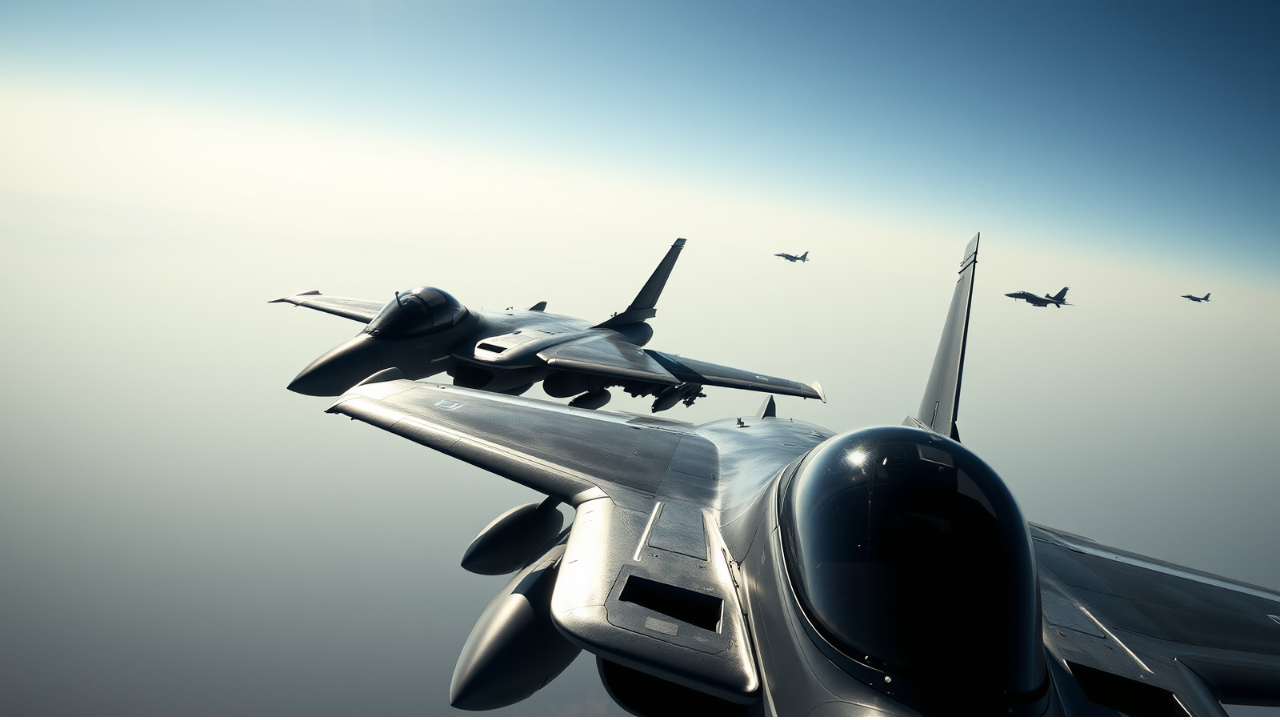
A quiet Saturday morning over the Pacific shattered instantly when radar screens in Seoul lit up. More than ten Chinese and Russian military aircraft suddenly crossed into the Korea Air Defense Identification Zone (KADIZ), sending military coordinators into a high-stakes chess match. Immediately, South Korea scrambles fighter jets to intercept the group, matching their movements over the East Sea and the South Sea until they finally departed.
While it sounds like the opening scene of a geopolitical thriller, these joint maneuvers are becoming a calculated habit. Beijing and Moscow are testing boundaries, collecting radar signatures, and flashing their collective teeth at the alliance between Washington, Seoul, and Tokyo.
If you want to understand what actually happened, you have to ignore the sensationalist headlines and look at how international airspace operates. The warplanes didn't violate South Korean sovereign territory. They entered a strategic buffer zone, and that distinction changes everything.
The Line in the Sky That Is Not a Border
Most news reports gloss over the technical definition of an Air Defense Identification Zone (ADIZ). They make it sound like a direct invasion. Sovereign airspace is absolute. It extends exactly 12 nautical miles from a country's coast. If a foreign military jet enters that space without permission, it is an act of aggression, and international law allows a lethal response.
An ADIZ is completely different. It is a self-declared security buffer zone stretching far out into international waters. Countries establish these zones to buy precious time. If a fast-moving bomber is flying toward your coast, you don't wait until they cross the 12-mile mark to find out who they are. You want them to identify themselves hundreds of miles away.
When foreign military planes enter the KADIZ, international custom dictates they submit a flight plan beforehand. China and Russia deliberately refuse to do this. They treat the space as free international air, ignoring South Korea's tracking protocols entirely. This forces Seoul to send up interceptors like the F-15K to physically eyeball the incoming aircraft, make radio contact, and ensure they don't break toward the mainland.
What Made the June 2026 Incursion Different
We have seen this script play out before, but the scale of this weekend's incident caught analysts by surprise. Usually, these joint patrols involve four to six aircraft. This time, the package included more than ten highly capable warplanes operating in tight synchronization over two distinct bodies of water.
The composition of these flights typically involves a mix of heavy strategic bombers and advanced electronic tracking aircraft. While the South Korean Joint Chiefs of Staff kept specific asset names classified, historical patterns show a regular pairing of Russian Tu-95 "Bear" bombers and Chinese H-6K bombers, escorted by advanced fighter variants.
A similar event occurred in December 2025, when nine aircraft pulled a comparable stunt. Seoul and Tokyo lodged furious diplomatic protests back then, but those complaints fell on deaf ears. Moscow and Beijing casually dismissed the anger, labeling the flights as standard strategic air patrols. By bumping the number past ten aircraft this time, the message is loud and clear: they aren't backing down, and their operational coordination is getting tighter.
The Broader Strategic Alliance Under Pressure
This isn't an isolated border dispute between neighbors. It is a piece of a larger global puzzle. Russia needs China to keep its economy afloat amid ongoing Western sanctions. China needs Russia as a security partner as it pushes back against American influence in the Indo-Pacific. Together, they use these flights to signal that Western pressure won't isolate them.
Every time South Korea scrambles fighter jets as Chinese and Russian warplanes enter air defence zone areas, it drains resources. Jet fuel is burned, airframes are stressed, and pilots face intense pressure. It also forces South Korea to coordinate instantly with Japan. That coordination is exactly what Beijing and Moscow want to observe. They track how quickly the regional allies respond, which radar installations activate, and how information flows between Seoul and Tokyo.
It is a live fire test of the trilateral intelligence-sharing agreements pushed heavily by Washington. The timing is rarely accidental. These patrols regularly sync up with regional democratic elections, joint US-Korea military drills, or major diplomatic summits.
Your Next Steps for Tracking This Situation
Don't let the media cycle panic you, but keep a close eye on the regional fallout over the coming days. Here is what you should watch for to understand where this goes next.
- Check official statements from the South Korean Ministry of National Defense to see if they identify the specific bomber and fighter models involved.
- Look for corresponding press releases from Japan's Ministry of Defense, as these flights almost always skirt or enter the Japanese air defense zone (JADIZ) right after leaving the KADIZ.
- Monitor the response from Beijing's Ministry of National Defense to see if they officially claim this as part of their regular joint annual scheduling.
- Watch for any sudden adjustments to US rotational deployments, such as carrier strike groups or B-52 bomber tasks forces moving into Guam or Okinawa.