Campaign promises are cheap. Foreign policy constraints, on the other hand, are brutally expensive.
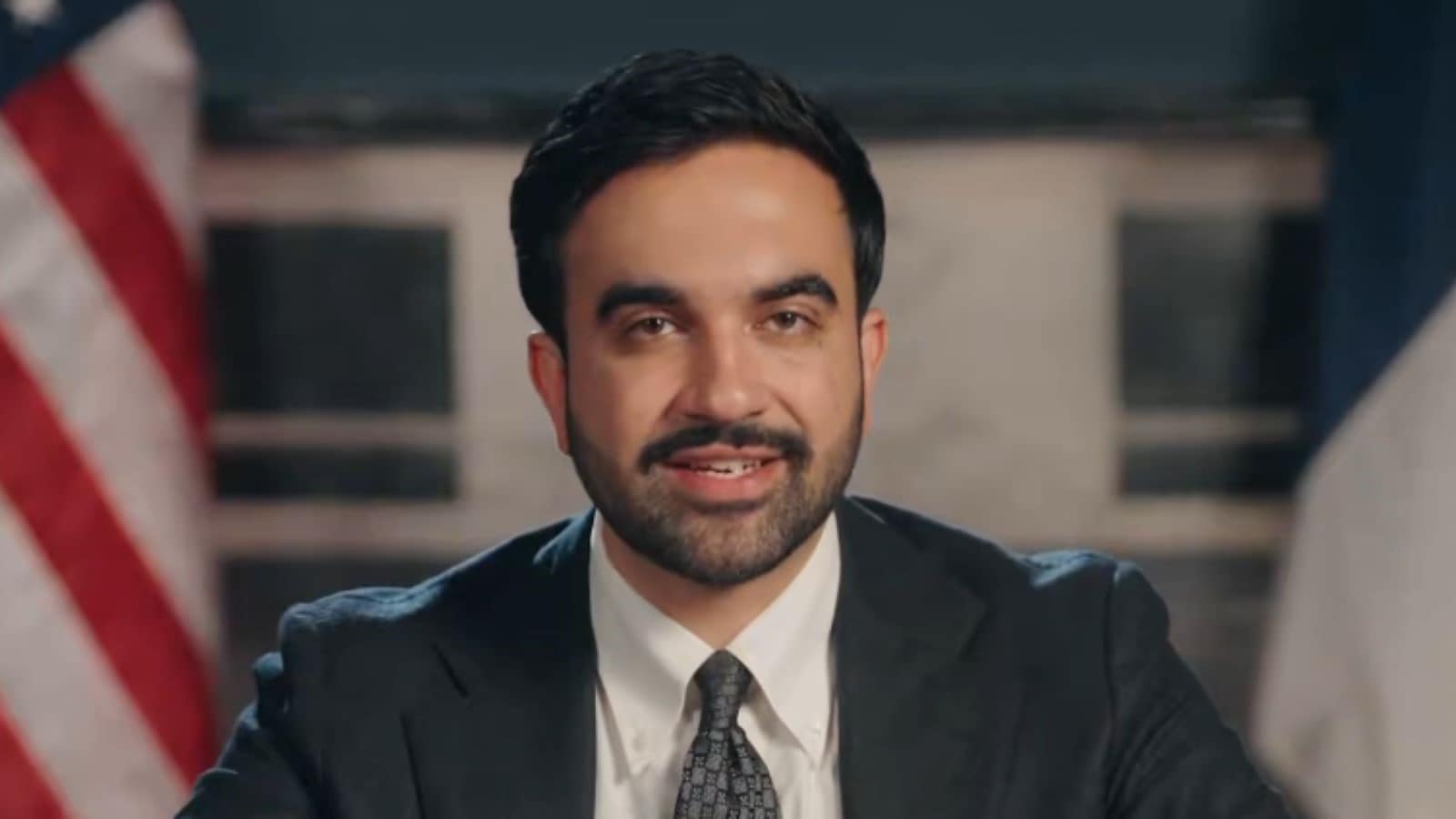
During his campaign for New York City mayor, Zohran Mamdani made a headline-grabbing pledge that fired up his progressive base: if Israeli Prime Minister Benjamin Netanyahu set foot in New York, Mamdani would order the NYPD to arrest him on international war crimes charges. It was bold. It was headline bait. Meanwhile, you can find similar stories here: What Life Is Really Like For Lesbian Women In Modern China.
It was also completely impossible.
Now, facing the practical realities of City Hall and an upcoming UN General Assembly in September, Mamdani had to admit what legal scholars pointed out months ago. New York City simply doesn't have the legal power to arrest a foreign head of state. To explore the complete picture, we recommend the excellent report by NBC News.
Here's how a flashy political promise crashed into federal law, international treaties, and the cold limits of municipal authority.
The Campaign Promise That Met Federal Preemption
When the International Criminal Court (ICC) issued arrest warrants in late 2024 for Benjamin Netanyahu over conduct in the Gaza war, Mamdani seized the moment. He insisted that as mayor, he'd use local law enforcement to execute ICC warrants against wanted leaders, including Netanyahu and Russian President Vladimir Putin.
It made for great rally speeches. But as a legal strategy, it was dead on arrival.
The United States isn't a signatory to the Rome Statute, the treaty that established the ICC. Under federal law—specifically the American Service-Members' Protection Act—U.S. government entities are restricted from cooperating with the ICC. On top of that, the U.S. Constitution gives foreign policy power exclusively to the federal government, not to city mayors.
When Mamdani directed the city's Law Department to review whether the NYPD could legally detain Netanyahu, the answer came back clear. City Hall can't invent its own foreign policy or override federal law.
In a recent social media statement, Mamdani acknowledged the reality. He admitted that while he still considers Netanyahu a war criminal who belongs in The Hague, his administration reviewed every legal avenue and found that New York City lacks the independent authority to execute the warrant. Instead, he shifted the burden, calling on federal authorities to execute it—something Washington has zero intention of doing.
Why Local Mayors Can't Arrest Visiting Heads of State
To understand why this promise collapsed so quickly, you have to look at the legal framework governing the United Nations headquarters in Manhattan.
- The UN Headquarters Agreement: Signed in 1947, this treaty requires the U.S. federal government to grant foreign representatives and heads of state access to the UN district in New York.
- Diplomatic Immunity: Under customary international law and federal statute, sitting heads of government enjoy immunity from local arrest while traveling on official state business.
- Federal Preemption: Local law enforcement officers cannot enforce international warrants without federal authorization. If NYPD officers tried to detain a visiting foreign leader, federal agents would step in immediately to stop it.
President Donald Trump made that boundary explicitly clear on social media, asserting that Netanyahu would face no arrest while visiting the United States. Senator John Fetterman and House Republicans similarly dismissed the mayor's stance as an overreach into federal jurisdiction.
From the diplomatic side, Israeli officials brush off the mayor's rhetoric as pure theater. Israel's UN Ambassador Danny Danon confirmed Netanyahu intends to address the UN General Assembly in September as planned, noting that municipal mayors don't set international diplomatic terms.
What This Backtrack Means for Municipal Politics
Mamdani's pivot highlights a growing trend in city politics: local leaders using international flashpoints to signal values to their constituents, even when local offices lack the jurisdiction to act.
For Mamdani, making the promise built huge momentum with anti-war activists and progressive voters across New York. Admitting he lacks authority lets him keep the moral stance while blaming federal restrictions for his inaction.
It's a classic political move. You promise the world on the campaign trail, run into the brick wall of statutory authority, and then point at higher levels of government as the reason you can't deliver.
For voters watching local governance, the takeaway is simple. City mayors handle garbage collection, public transit, local policing, and housing. They don't run national security or international extradition. Knowing where local jurisdiction ends is crucial if you want to evaluate what a candidate can actually deliver versus what's just empty noise.
When candidates make sweeping promises about international affairs, check whether the position actually carries the legal authority to execute them. If it relies on federal power or international treaties, it's almost certainly political theater.