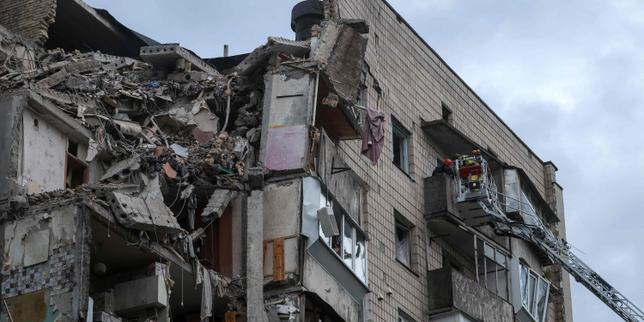
The timing isn't accidental. Just hours before NATO leaders gather in Ankara for a high-stakes summit, Russian missiles slammed into Kyiv, killing at least 14 people. Volleys of explosions shattered residential blocks, blowing out windows and piercing ceilings with heavy concrete shards. This brutal reminder of the conflict's human toll sets a dark, urgent backdrop for Ukrainian President Volodymyr Zelensky.
He's heading to Turkey with a blunt message for his allies. Stop hesitating. We need firm decisions now.
What's happening behind the scenes isn't just another routine geopolitical gathering. This summit is a critical turning point where the future of European security will be decided, and the margin for error is non-existent.
The High Stakes in Ankara
The 36th NATO Summit is taking place under intense global strain. Allies are converging on the Turkish capital amid a fragile geopolitical environment. For Ukraine, the immediate requirement isn't vague promises of long-term support. It's concrete hardware and immediate security guarantees.
European allies and Canada are preparing to pledge 70 billion euros in military aid for 2026 and 2027. It sounds like a staggering sum. But on the ground, money doesn't shoot down incoming ballistic missiles. Ukraine's defense ministry recently issued an urgent plea to 40 partner countries for Patriot missile systems to deploy immediately. Air defense systems are running dangerously low, and the devastating strikes on Kyiv prove that delays cost lives.
Zelensky will voice these exact demands during the NATO-Ukraine Council meeting and his speech at the Defense Industry Forum. He isn't asking for charity. He's pointing out that Ukraine is the buffer keeping the rest of Europe safe.
The Elephant in the Room
Everyone is watching US President Donald Trump. He arrives in Ankara with a different agenda. His focus is on shifting the heavy financial and military burden of European defense back onto Europe.
A critical meeting between Trump and Zelensky is scheduled for Wednesday on the sidelines of the summit. The goal? Finding an exit strategy to end the war. Trump plans to talk with Zelensky first, then call Russian President Vladimir Putin immediately after.
"There is a real prospect to put an end to this war, and America's resolve is decisive," Zelensky noted after a recent phone call celebrating the US independence anniversary.
The Kremlin is listening closely. Russian presidential aide Yuri Ushakov confirmed that Trump has expressed a strong willingness to facilitate an early end to the fighting. But for Ukraine, a quick peace can't mean total capitulation.
What Most People Get Wrong About NATO Support
Many think Western aid is an open checkbook. It's not. The 70 billion euro pledge is a massive commitment, but the logistical rollout is often slow and tangled in domestic politics.
- The Production Bottleneck: Western defense industries simply can't manufacture ammunition and air defense systems fast enough to keep pace with the consumption rate on the front lines.
- The Political Hesitation: Some allies fear that providing deep-strike weapons will trigger a wider confrontation, leaving Ukraine fighting with one hand tied behind its back.
- Economic Strains: Inside Ukraine, the economic cost of the war is hitting everyday citizens hard. Recent tariff hikes have seen the cost of basic water supply skyrocket by over two times in major cities like Dnipro. The social fabric is under immense pressure.
What Needs to Happen Next
Vague communiqués won't cut it anymore. If NATO wants to stabilize Europe, leaders must take immediate action during this two-day summit.
First, allies must fast-track the delivery of the requested Patriot missile systems. Every week of delay means more destroyed infrastructure and lost lives.
Second, European nations need to finalize the structural mechanisms for the 70 billion euro aid package. The funds must be shielded from shifting political winds in individual capitals.
Finally, Zelensky and Trump must establish a clear, realistic framework for any upcoming negotiations with Moscow. Ukraine needs to negotiate from a position of absolute strength. If the West shows weakness or division in Ankara, Putin will simply keep pushing forward.