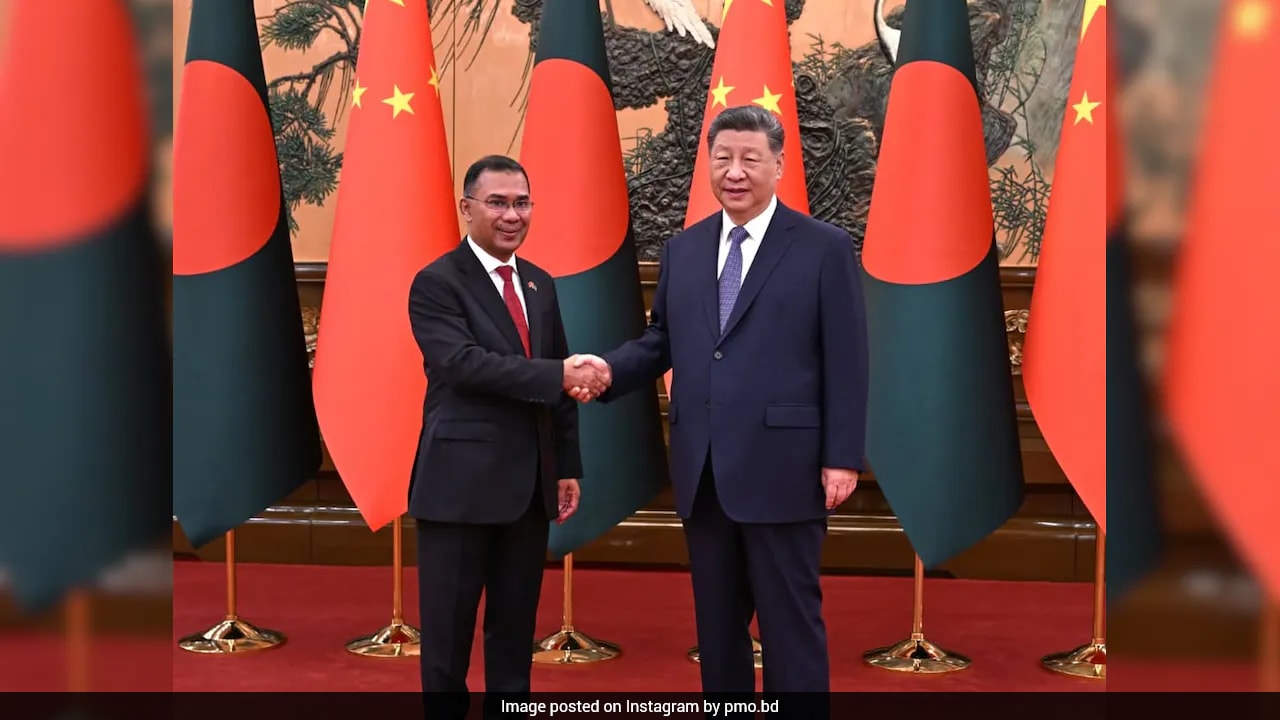
The political chessboard in South Asia just experienced a massive shift, and you need to pay attention to what just happened in Beijing. Bangladesh's newly elected Prime Minister Tarique Rahman met Chinese President Xi Jinping at the Great Hall of the People on June 26, 2026. This isn't just another routine diplomatic handshake. It represents a massive pivot for a nation that sits right at the geopolitical crossroads of India and China.
If you're wondering why this specific meeting matters so much, it's because Bangladesh has been swimming through intense political instability over the last year. After a turbulent period under an interim government, Rahman's administration took charge in February 2026. This maiden official trip to Beijing—coming right after a stop in Malaysia and a speech at the World Economic Forum's "Summer Davos" in Dalian—signals exactly where Dhaka’s new leadership looks for economic survival and political backing. For another perspective, consider: this related article.
The Big Geopolitical Play in Beijing
When Xi Jinping and Tarique Rahman sat down, they didn't just talk about trade numbers. They officially upgraded their bilateral ties to a "China-Bangladesh community with a shared future in the new era." In diplomat-speak, that means Beijing is planting its flag firmly as Dhaka's primary strategic partner.
Xi made it clear that China supports Bangladesh's new government in its governance efforts. He emphasized that China will back Bangladesh in upholding its national independence, sovereignty, and territorial integrity while explicitly rejecting foreign interference. Reading between the lines, this is a direct message to other regional heavyweights, particularly India and western observers who closely monitor Bangladesh's domestic politics. Further coverage regarding this has been provided by The Washington Post.
For Rahman, the political proximity to Beijing offers a powerful shield. His party, the Bangladesh Nationalist Party (BNP), even finalized a Memorandum of Understanding (MoU) with the Communist Party of China (CPC) to strengthen party-to-party ties. It's a calculated move to secure long-term backing from the world's second-largest economy.
Beyond the Belt and Road
Most mainstream media reports focus heavily on the Belt and Road Initiative (BRI). While high-quality BRI cooperation is absolutely on the table, the actual agreements signed during this five-day visit show that China is expanding its footprint into much deeper, more sensitive sectors of the Bangladeshi state.
Dhaka and Beijing finalized roughly 15 to 17 bilateral instruments, including agreements, protocols, and MoUs. Here's what's actually on the ledger:
- Emerging Tech and AI: Xi explicitly noted that China is ready to tap into cooperation regarding artificial intelligence, the digital economy, information technology, and green development.
- Critical Infrastructure: A formal framework agreement was set for the modernization and renovation of Mongla Port, a vital maritime gateway that India has also eyed for years.
- The Global Development Initiative (GDI): After five years of pushing by Beijing, Bangladesh officially announced its alignment with Xi's signature GDI framework, signaling an embrace of China's alternative global development model.
The Teesta River Project and the India Factor
You can't talk about Bangladesh-China relations without talking about India. The elephant in the room during Rahman's trip was the Teesta River water management project.
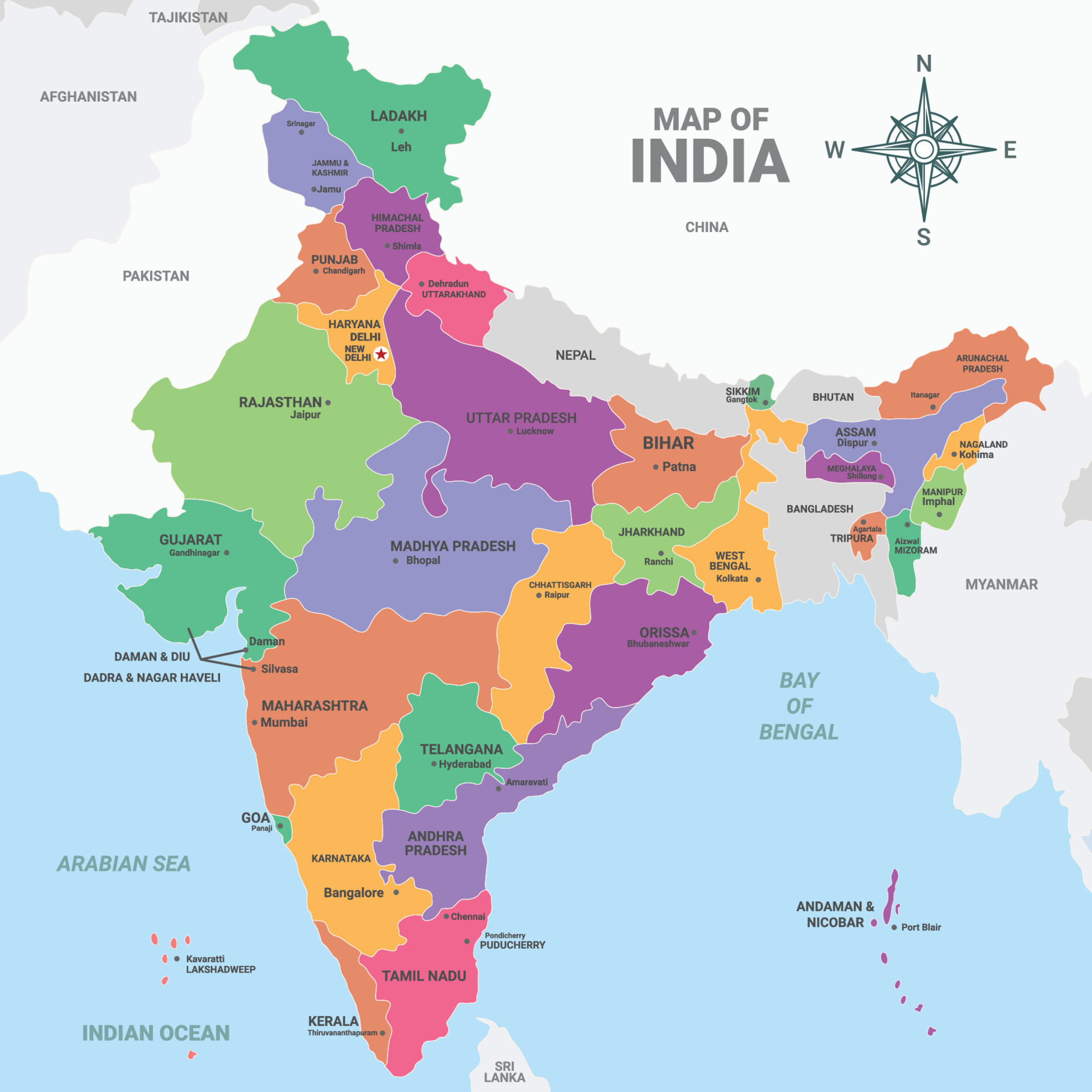
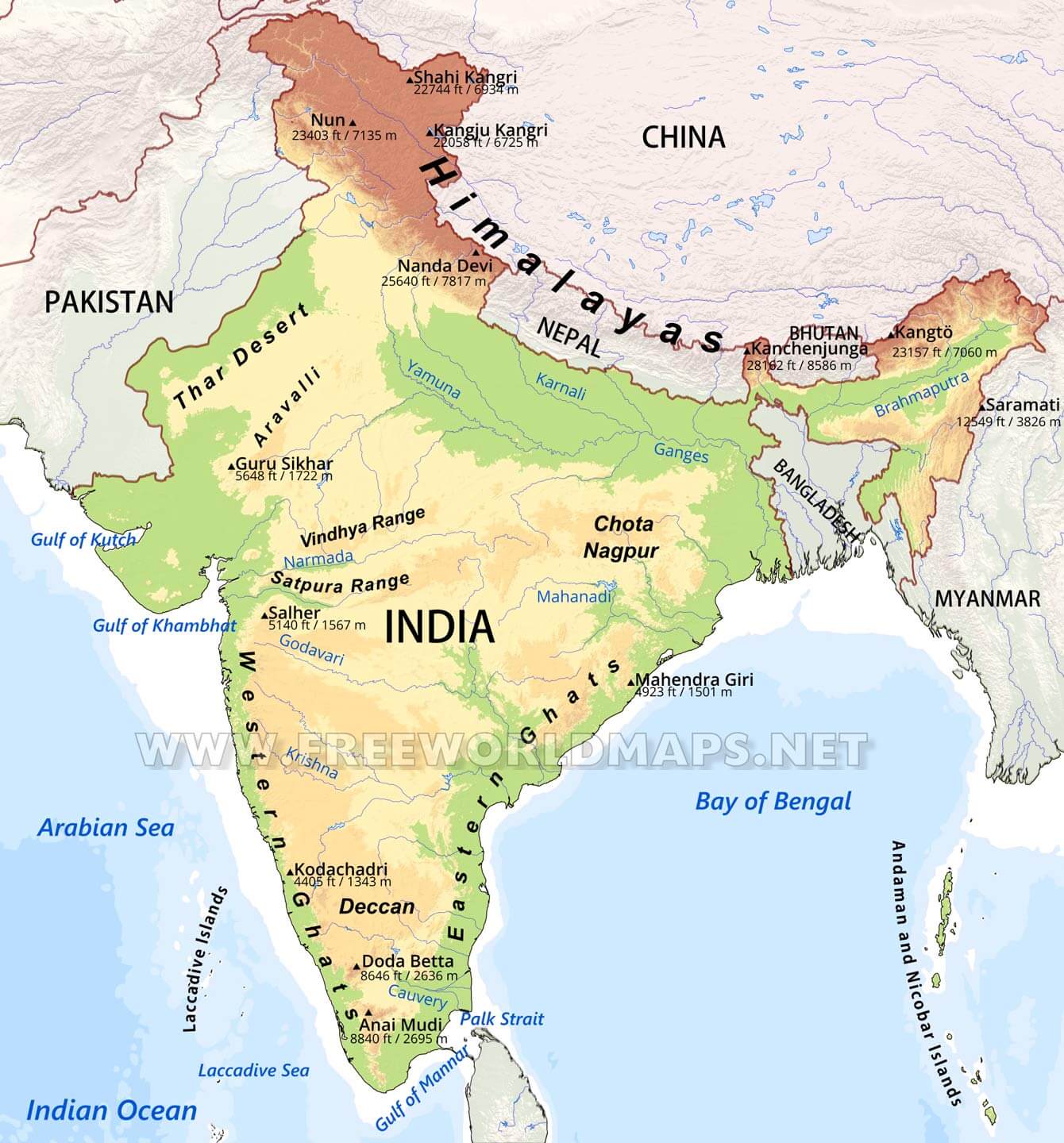
The Teesta river flows from India into Bangladesh, and water-sharing has been a bitter, unresolved issue between New Delhi and Dhaka for decades. China previously offered a massive $1 billion proposal to manage and restore the Teesta river basin inside Bangladesh. For India, having Chinese engineers working on a massive water project right near its sensitive "Chicken's Neck" corridor is a geopolitical nightmare.
Rahman openly discussed water management plans for both the Padma and Teesta rivers during his trip. By keeping China actively involved in the Teesta conversation, the new Bangladeshi government is showing that it isn't afraid to leverage Beijing's financial and technical muscle to solve problems that New Delhi has dragged its feet on.
What Happens Next
The era of Bangladesh playing a perfectly balanced diplomatic game between India and China appears to be shifting. Rahman's visit proved that Dhaka is leaning heavily into China's economic embrace to stabilize its post-election economy.
If you want to track how this geopolitical shift plays out in the real world, watch these specific indicators over the next few months:
- Mongla Port Construction: Track how quickly Chinese state-owned enterprises begin executing the modernization framework. The faster they move, the deeper China's maritime leverage becomes in the Bay of Bengal.
- The Indian Diplomatic Response: Look for New Delhi's next move. India will likely counter with fresh credit lines or expedited bilateral talks to ensure they aren't completely boxed out of Dhaka's inner circle.
- Digital Infrastructure Rollouts: Watch for new agreements involving Chinese telecom and AI firms in Bangladesh's public sector, which will serve as the true litmus test for the "shared digital future" promised in Beijing.