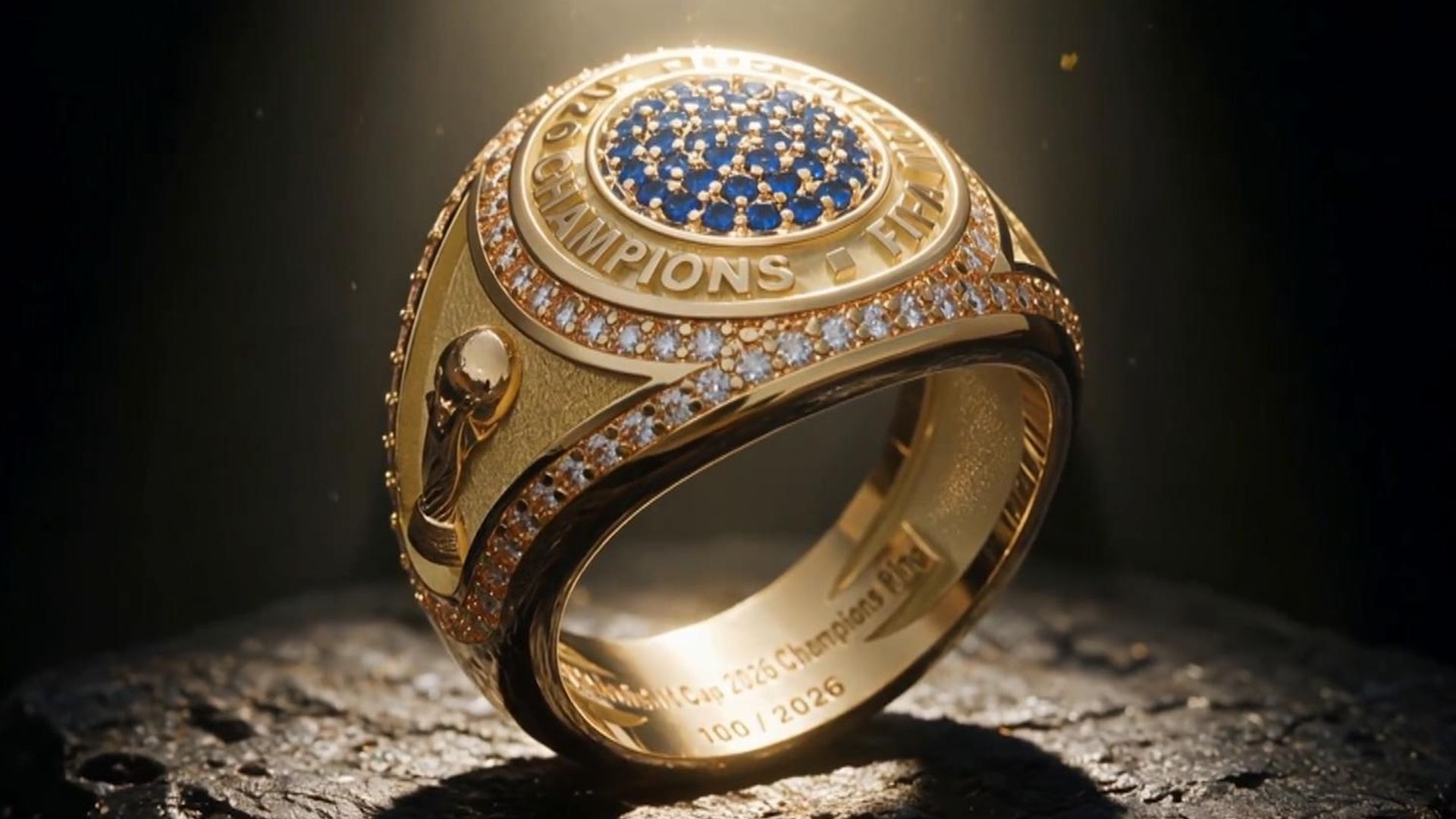
The final whistle blows. Tens of thousands of fans in the stadium scream until their throats go dry. Millions more leap off their couches in living rooms and crowded pubs around the globe. For a brief, intoxicating moment, the world stops spinning. The winners lift a heavy gold trophy into the night sky, showered in sparkling confetti under the glare of flashbulbs.
It feels like heaven on earth. But it isn't.
Within a few weeks, the confetti is swept away. The stadium stands empty, silent and dark. The players return to their club teams, and the fans go back to their daily morning commutes. That massive wave of collective euphoria evaporates, leaving behind a familiar, quiet ache.
If you watched the massive matches this summer, you felt that emotional pull. Everyone wants to be part of something legendary. But we need to talk about why World Cup glory always leaves us empty, and why the human heart was actually designed for a completely different kind of victory.
The brutal shelf life of secular achievement
Winning is a drug. The high is unmatched, but the comedown is inevitable. If you ask elite athletes who have reached the absolute peak of their sports, many will tell you that the most terrifying moment of their career was the morning after their greatest triumph.
Psychologists call this the arrival fallacy. It's the false belief that reaching a massive goal will bring lasting happiness. When you finally get the thing you worked your whole life for, and you realize you're still the exact same person with the exact same insecurities, the disappointment is crushing.
We've seen this play out throughout sports history. Legendary figures who won every title imaginable often struggle with profound depression once the cheering stops. When your entire identity is wrapped up in physical performance, time is your worst enemy. Your knees wear out. Your pace drops. Younger, hungrier players take your spot on the team bus. The world moves on to the next superstar without a second thought.
If your self-worth is tied to a trophy, you've built your life on sand. The gold on that World Cup trophy is beautiful, but it can't love you back. It won't comfort you when you're lonely. It won't heal your broken relationships. It certainly won't save your soul when your time on this earth runs out.
Why we treat sports like a religion
We don't just watch soccer. We worship it.
Think about the parallels. Modern stadiums are designed like ancient cathedrals. Fans wear the sacred vestments of their team jerseys. They sing liturgical chants in perfect unison. They pray for a last-minute goal. When their team wins, it feels like redemption. When they lose, it feels like absolute condemnation.
This isn't an accident. Humans are hardwired for worship. If we don't direct that worship toward our Creator, we will inevitably direct it toward something else. Sports happen to be one of our favorite substitutes. We project our deep desires for glory, beauty, community, and salvation onto eleven players chasing a leather ball across a patch of grass.
But human beings make terrible gods. They miss crucial penalties. They get red cards. They make selfish decisions off the pitch that shatter their public image. When we put our hope in athletes or national teams, we set ourselves up for inevitable heartbreak. True peace can't be found in a game where the final outcome depends on a referee's controversial whistle.
Christian athletes who keep the trophy in perspective
Not every player on the pitch is chasing temporary fame. Some of the world's best athletes play with a completely different mindset. They run hard, they tackle hard, and they want to win, but they don't let the game define who they are.
Take Bukayo Saka, the brilliant English winger. He's been incredibly open about how he reads his Bible every night and relies on his faith in Jesus to navigate the intense pressure of elite football. For Saka, playing isn't about earning his worth or proving himself to the critics. It's about using the talents God gave him to bring glory to God.
Then there's Alisson Becker, the world-class goalkeeper. He's famous for celebrating historic victories by wearing shirts that say "Jesus Loves You" and even baptizing his teammates in his home swimming pool. Alisson has spoken clearly about how his relationship with Christ is far more important than any trophy he lifts. He knows that his ultimate security isn't in his clean sheets or his gold medals. It's in his savior.
These players aren't weak. They're actually tougher on the pitch because they don't carry the crushing weight of having to prove their existence with every single match. They know they're already loved by the Creator of the universe. Win or lose, their identity is entirely secure.
Comparing the fleeting cup with the eternal crown
The Apostle Paul understood the sports obsession of his day. In his first letter to the Corinthians, he wrote about athletes training incredibly hard just to win a prize that doesn't last. Back then, it was a simple wreath of wild olive leaves. Today, it's a gold-plated trophy. The principle is exactly the same.
Paul contrasts this with the Christian life. He says believers run to get a crown that will last forever.
Think about what Jesus offers compared to what the sports world demands.
To get World Cup glory, you have to be perfect. You have to sacrifice your body, your relationships, and your entire youth to a relentless system. If you fail, you're discarded.
But Jesus doesn't demand that you perform flawlessly to earn His love. He performed flawlessly on your behalf. While the world tells you to earn your glory through blood, sweat, and tears, Jesus offers you His glory as a free gift. He took the ultimate defeat on the cross so that you could share in His eternal victory over sin and death.
That's a win you can't lose. It doesn't depend on your fitness level, your age, or your mistakes. It's secure because He finished the job.
Practical steps to ground your soul this season
You don't have to stop watching sports. God created us to enjoy beauty, skill, and community. But you do need to keep sports in their proper place. Here's how you can enjoy the beautiful game without letting it become your god.
- Keep an eye on the clock. If you spend twenty hours a week analyzing match statistics and zero minutes reading God's Word, your priorities are out of balance. Swap some of that screen time for quiet prayer and scripture reading.
- Check your emotional reactions. If a lost match ruins your entire week or makes you cruel to your family, you've made an idol out of a game. Step back and remind yourself that the result of a match doesn't change your eternal destiny.
- Live for the crown that lasts. Use your passion to serve others. Share the hope you have in Christ with the people around you. When you live with an eternal perspective, you can actually enjoy sports more because you aren't asking them to do something they were never meant to do: save your soul.
Don't spend your life chasing prizes that rot in display cases. Trust the One who conquered the grave, and build your life on the only victory that actually lasts forever.