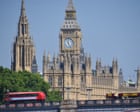
Westminster has a massive honesty problem. Look at the current system for tracking political influence, and you quickly realize it's basically designed to keep us in the dark. Right now, our lobbying laws cover an incredibly tiny fraction of the actual deal-making. It's a setup where hidden texts, casual drinks, and backroom chats shape public policy while the public stays completely blind to it.
That might finally change if the government actually listens to its own ethics watchdog.
Doug Chalmers, head of the Ethics and Integrity Commission, just dropped a bombshell report demanding a radical overhaul of how the UK tracks political influence. The core message is simple. Every single bit of lobbying needs to be pushed into the public eye. No more hiding behind loopholes. No more pretending a casual WhatsApp exchange with a minister's top aide doesn't count as political pressure.
If you have ever wondered why certain laws get passed while common-sense reforms stall, the answer usually lies in who has the minister's ear. This new proposal aims to shine a light right on them.
The Massive Loophole in the Current Register
Let's look at the math because it's pretty damning. Under the rules established during the coalition government, we have a register of consultant lobbyists. Sounds official, right? It isn't. Industry insiders estimate that a miserable 4% to 6% of actual lobbying activity is ever declared on this list.
Why is it so low? Because the current law only forces third-party consultants to sign up. If you are an in-house lobbyist working directly for a massive oil corporation, a multi-billion-pound tech giant, or a private healthcare firm, you don't have to register. You can walk right into a government office, pitch your corporate agenda, and leave zero paper trail.
The Chalmers review wants to blow that wide open. The commission is calling for a brand-new, activity-based register. If you are trying to influence policy, you get recorded. Period. It shouldn't matter whether you're an independent consultant or a salaried corporate executive.
Dropping the Threshold to Catch the Real Power Brokers
Right now, transparency rules mostly focus on encounters with cabinet ministers and permanent secretaries. That misses the entire point of how modern Whitehall functions. Corporate interests don't just target the person at the top. They target the machinery around them.
The watchdog wants the new disclosure laws to pull in a much wider net of officials, including:
- Special advisers (Spads) who control political access
- Directors general and directors running government departments
- Non-executive directors sitting on departmental boards
- Any equivalent government advisers wielding policy influence
This is a massive shift. By targeting special advisers and senior civil servants, the rules would finally track where policies are actually drafted and debated.
No More Hiding in the WhatsApp Drafts
We've seen an endless carousel of political scandals over the last decade, and they almost always feature the same thing: unmonitored digital messages. Think back to David Cameron text-bombing government officials on behalf of Greensill Capital before it collapsed. Or look at the more recent mess involving undisclosed messages and vetting scandals that have rattled the current administration.
The proposed shake-up tackles this directly. Ministers and senior officials would be legally required to declare any lobbying that happens over informal channels. That means those casual WhatsApp threads, signal chats, and late-night drinks at party conferences would have to go on the record.
Even tougher, the watchdog wants a rule forcing ministers to flat-out refuse meetings if the person knocking on their door isn't on the official register. If you aren't transparent, you don't get an audience.
Every entry on this proposed register would have to show exactly who is paying for the access. Disclosures wouldn't just state a name and a date. They would record the specific legislation or regulation being targeted, the client being represented, the ultimate beneficiary of the policy change, and exactly how the lobbying organization is funded.
The Long Road to Real Reform
Naturally, the public relations industry is suddenly cheering this on. Alastair McCapra, chief executive of the Chartered Institute of Public Relations, called the current setup the "least transparent lobbying register in the west." Professional bodies want a level playing field because legitimate operators get dragged down by the sleaze associated with dark-money operations. Mistrust grows in the dark, and right now, Westminster is pitch black.
But don't expect things to change by next week.
Implementing these changes requires major, sweeping legislation. It means fighting against a political culture that loves secrecy. Prime Minister Keir Starmer has faced immense pressure over standards, especially following intense scrutiny over undisclosed meetings between aides and US tech bosses, alongside funding rows that contributed to a chaotic summer in UK politics.
If the government wants to restore a shred of public trust, it has to adopt these recommendations in full. Token gestures won't cut it anymore.
What Needs to Happen Next
True transparency requires concrete action from the top down. If you want to see if the government is serious about fixing this, watch for these three immediate signs:
- Watch the legislative calendar: Look for a commitment in the next major legislative agenda to introduce a comprehensive, statutory Lobbying Reform Bill that completely replaces the broken 2014 Act.
- Audit current departmental logs: Demand that departments immediately expand their voluntary quarterly releases to include special advisers and directors general before the law even forces them to.
- Enforce data standardization: Press for the creation of a searchable, centralized digital database of political meetings, ending the practice of burying vague, delayed PDF documents on obscure government websites.

:max_bytes(150000):strip_icc()/TAL-nassau-bahamas-BEAUTCARIB0323-4fbfce903e5a4418b895e03717e3de0d.jpg)