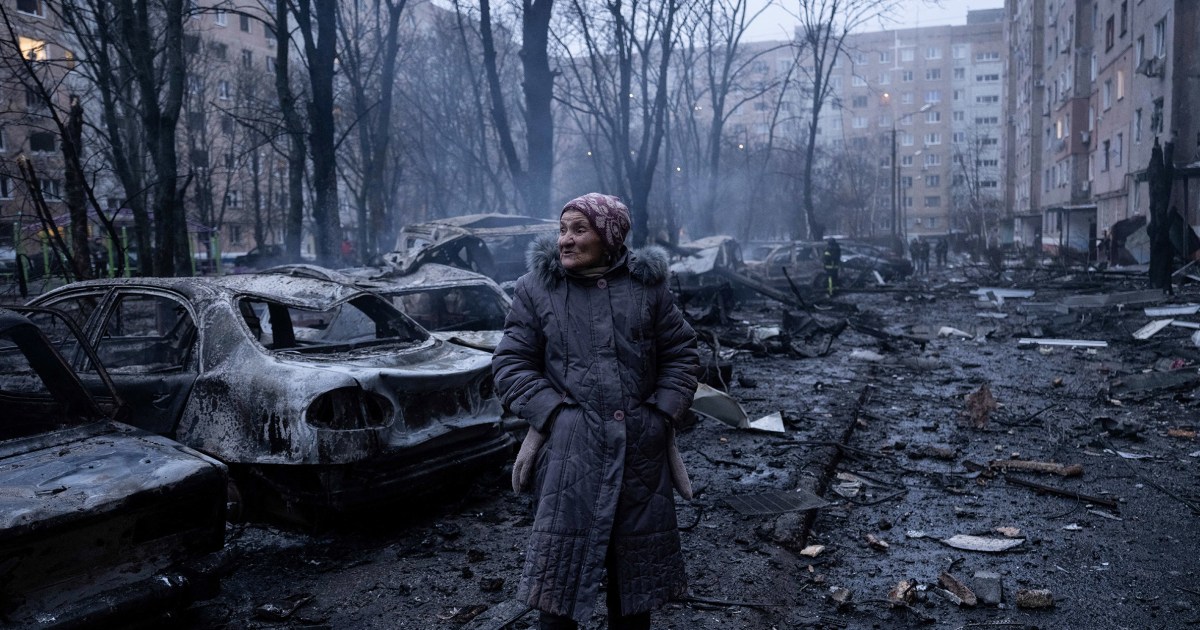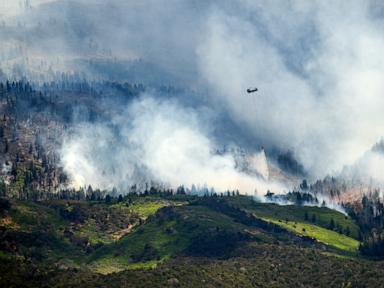
The air smells like burning pine and singed insulation. If you live anywhere out West, you already know that scent. It used to be a late August problem, but this year the crisis arrived before July even hit.
A brutal combination of single-digit humidity, severe drought, and relentless winds is causing explosive wildfire growth across the western United States. The National Interagency Fire Center (NIFC) reports that over 35,000 fires have already scorched nearly 3 million acres across the country. That is almost double the acreage burned by this exact time last year.
The standard wire reports will tell you the basic facts. They will mention that a town got evacuated or that the wind is blowing hard. But they usually miss the real story. The ground rules of wildland firefighting have fundamentally changed, and many homeowners are relying on outdated advice that could get them trapped.
The Burning Core of the Current Outbreak
Look at what just happened in Utah. The Iron Fire exploded in Juab County, tearing through 34 square miles of dry brush and timber in less than 48 hours. It forced the complete evacuation of Eureka, an old mining town of about 1,000 residents located 70 miles southwest of Salt Lake City.
The fire was human-caused. It didn't take a massive lightning strike; it just took one spark in a landscape that the U.S. Drought Monitor classifies as experiencing severe to extreme drought.
Fire crews had to rely on a high-stakes tactical backburn—essentially intentional burning to rob the main fire of fuel—just to keep the flames from eating the town's perimeter. Utah Governor Spencer Cox traveled to the area and summed up the stark reality. Fire season is no longer a slow build. It is a sudden explosion.
Meanwhile, Arizona is dealing with the Pocket Fire, which shut down State Route 89A and forced evacuations north of Sedona in the treacherous terrain of Oak Creek Canyon. Over in California, the wind-driven Orange Fire in Sacramento County swallowed 1,200 acres in a mere 12 hours, forcing 8,400 people out of El Dorado Hills, Folsom, and Fair Oaks.
Why the Old Rules for Evacuation No Longer Work
Most people assume they will get a knock on the door or a clear, timely cell phone alert when it is time to leave. That assumption is incredibly dangerous now.
When relative humidity drops into the single digits and wind gusts cross 30 miles per hour, wildfires exhibit what experts call extreme fire behavior. Embers shoot miles ahead of the main fire front, starting new fires instantly. This means a fire can skip right over the ridge you are watching and ignite the brush directly behind your house.
If you wait for a mandatory evacuation order, you might already be trapped by choked roads and zero-visibility smoke.
Rethinking Your Go-Bag Basics
You probably have a standard emergency kit. Water, flashlights, some canned food. Honestly, that is not what saves lives during a fast-moving wildland blaze. You need to prepare for rapid, toxic air quality degradation and immediate loss of utilities.
- N95 or P100 respirators: A standard surgical mask does absolutely nothing against wildfire smoke. The particulate matter (PM2.5) ruins your lungs within minutes. Keep real respirators in your vehicle, not just your house.
- Off-grid communication: Cell towers are often the first things to burn or lose power. A simple battery-powered NOAA weather radio or a satellite messenger can keep you connected when your phone bars drop to zero.
- Physical maps: Do not rely on your car's GPS or your phone to find an escape route. Heavy smoke can disorient you completely, and road closures happen instantly. Trace out three different exit paths on a paper map today.
Securing Your Home Boundaries Before the Smoke Appears
Fire agencies talk constantly about defensible space. Yet, many people still think this means cutting down a few trees in the backyard.
The real vulnerability is much closer. Embers are the true killers of homes. They drift through the air and land in your rain gutters, under your deck, or against your wooden fence. If those areas are filled with dry pine needles or dead leaves, your house ignites from the inside out, even if the main wall of fire never touches your property.
Clear every single dead leaf within five feet of your home's foundation. Swap out wood mulch for gravel or river rock. Cover your attic vents with 1/8-inch metal mesh to stop floating embers from flying into your crawlspace. These small, boring tasks do far more to save a structure than a backyard swimming pool ever will.
What to Do Right Now
Do not wait for the horizon to turn orange before you take action.
Check the daily fire weather forecast from your local National Weather Service office. Look specifically for Red Flag Warnings. If one is active for your area, keep your vehicle backed into the driveway with a full tank of gas and your bags loaded. Ensure every member of your household knows exactly who to call and where to meet if you are separated. When the wind picks up and the brush is dry, minutes make the entire difference.