Mars is supposed to be dead. For decades, the standard scientific narrative told us that the Red Planet lost its magnetic field, surrendered its atmosphere to the solar wind, and froze into a sterile desert billions of years ago. We treated it like a cosmic corpse.
That narrative just fell apart.
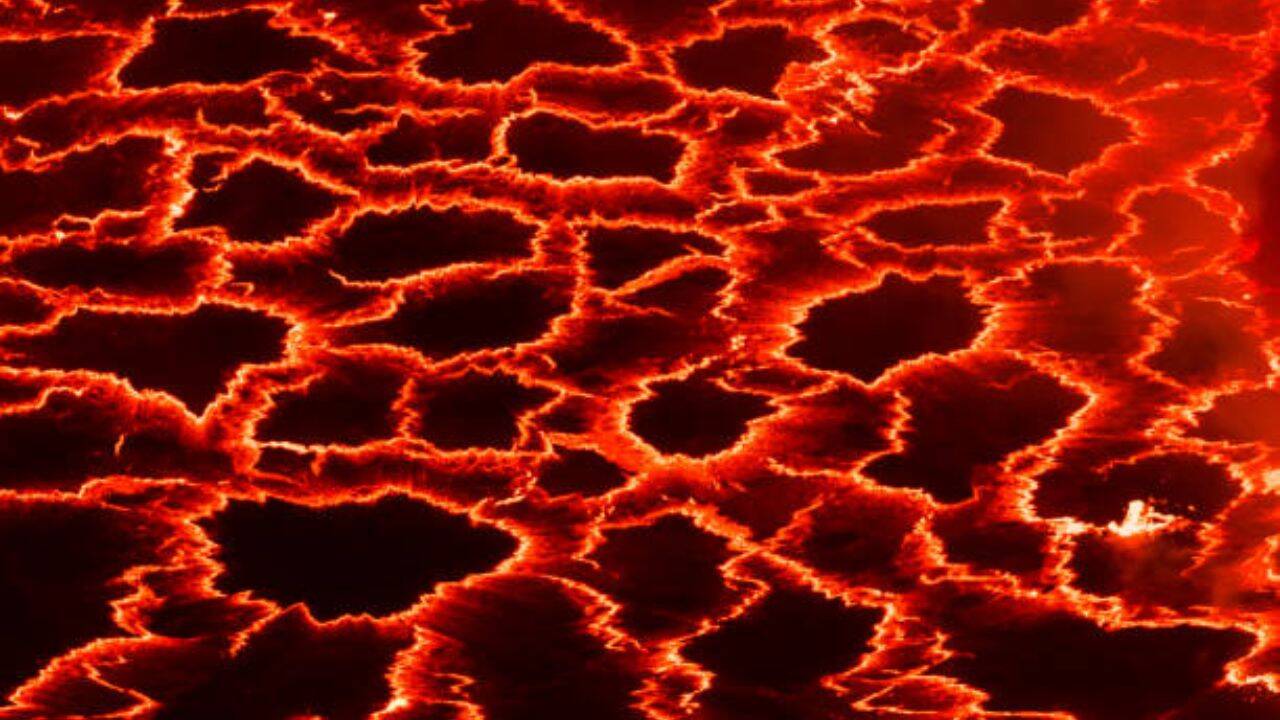
Scientists recently uncovered evidence of a massive, hidden magma system pulsing beneath the Martian crust. It wasn't active during the chaotic birth of the solar system. This system was thriving roughly a billion years ago, a time when scientists previously assumed Mars was nothing but a frozen rock.
This changes how we look at the history of our neighbor. It blows the doors wide open for the search for ancient alien life. If you have a giant underground heat source melting ice sheets from below, you get liquid water. If you get liquid water trapped underground away from deadly cosmic radiation, you get a perfect incubator for microbes.
The Shocking Timeline of Martian Heat
For a long time, planetary scientists believed that Mars ran out of steam early. Because Mars is smaller than Earth, it cools down much faster. Think of a small cup of espresso versus a large bowl of soup. The espresso goes cold in minutes. Mars was supposed to be that cold espresso.
This new data reveals that the planet's internal engine kept humming far longer than anyone gave it credit for. This underground magma network was huge. It wasn't some tiny, isolated pocket of hot rock. We are talking about a sprawling subterranean plumbing system that transported immense amounts of heat across vast distances beneath the surface.
Geological data reveals this activity happened during a period when the surface looked much like it does today: dry, cold, and battered by radiation. But underground, it was a totally different story. The crust acted like a heavy blanket, trapping the thermal energy from this magma system and creating a massive, stable environment.
Where Heat Meets Ice
To understand why this is a massive deal for astrobiology, you have to look at what happens when molten rock meets a frozen world. Mars has always had plenty of water ice. It is locked up in the polar caps and buried in thick sheets just beneath the dirt across the mid-latitudes.
When you push a billion-year-old hidden magma system into that mix, things get interesting.
The heat from the magma would have melted the underside of those ice sheets. Instead of boiling off into space because of the thin Martian atmosphere, that water remained trapped under pressure. It created sprawling hydrothermal networks.
We see this exact setup on Earth. Deep under the ice sheets of Antarctica or around subterranean hot springs in Iceland, life thrives. Microbes don't need sunlight if they have chemical energy. Underground hydrothermal systems supply a steady diet of minerals, dissolved gases, and warmth. They are basically an all-you-can-eat buffet for primitive life forms.
Why the Subsurface Is the Only Place That Matters
Stop looking for fossils on the surface of Mars. The surface is a death trap. It is baked by ultraviolet radiation and constantly bombarded by cosmic rays that tear organic molecules apart. If life existed on Mars a billion years ago, it lived downstairs.
The discovery of this underground heating system means that the habitable window for Mars was vastly longer than older models predicted. Instead of a brief flash of habitability lasting a few hundred million years during its youth, Mars may have been capable of supporting life for billions of years.
That extended timeline is vital. Life takes time to take hold and adapt. A longer period of internal heat means microbes had more time to evolve, spread, and potentially survive as the planet's exterior grew harsher.
The Big Mistakes in Our Current Mars Models
We got this wrong because we relied too heavily on counting craters. For a long time, the primary way we dated Martian terrain was by looking at how many asteroid impacts scarred the surface. More craters meant older ground. Fewer craters meant younger volcanic plains.
But crater counting has a massive blind spot: it can't see underground.
Volcanic activity can happen deep in the mantle without ever breaking through to the surface as a dramatic eruption. This hidden magma system didn't leave a giant, obvious volcano like Olympus Mons to announce its presence. It stayed quiet, buried miles beneath the surface, doing its work in secret while the outer crust looked completely inactive.
We also underestimated how well planetary crusts retain heat. Mars doesn't have plate tectonics like Earth. On Earth, plates shift and move, which helps dump internal heat into the oceans and atmosphere. Mars has a single, stagnant shell. That shell acts like a thermos, keeping the interior warm for much longer than standard cooling models estimated.
The Next Step for Human and Robotic Exploration
This discovery completely upends our priorities for upcoming missions to the Red Planet. Up until now, rovers have mostly scratched the top few inches of dirt in ancient lakebeds. They are looking for remnants of a surface world that disappeared eons ago.
We need to change the strategy entirely.
Prioritize Deep Ground Penetrating Radar
Future orbital missions need to deploy advanced radar systems capable of mapping deep thermal anomalies and liquid water pockets miles beneath the regolith. We need to find exactly where these ancient thermal zones left behind structural remnants or lingering heat.🔗 Read more: susan lorincz letter to kidsTarget Volcanic Fractures
Instead of landing in flat, safe craters, we need to send specialized probes to the edges of volcanic regions where the crust fractured. These cracks are the most likely places where subterranean fluids could have seeped upward, leaving behind concentrated deposits of organic materials or minerals created by hot water.Develop Deep Drilling Tech
Scraping the dust isn't going to cut it anymore. We need robotic landers equipped with heavy-duty drills capable of penetrating dozens of meters into the ground. If we want to find definitive proof of life fueled by this newly discovered magma system, we have to go down.
The idea of Mars as a pristine, unchanging time capsule from the early solar system is dead. It was a dynamic, geologically active world with a fiery interior that persisted for eons. The search for life on Mars just got a lot more complicated, and honestly, a lot more exciting. We have been looking at the wrong layer of the planet for decades. It is time to start looking deeper.