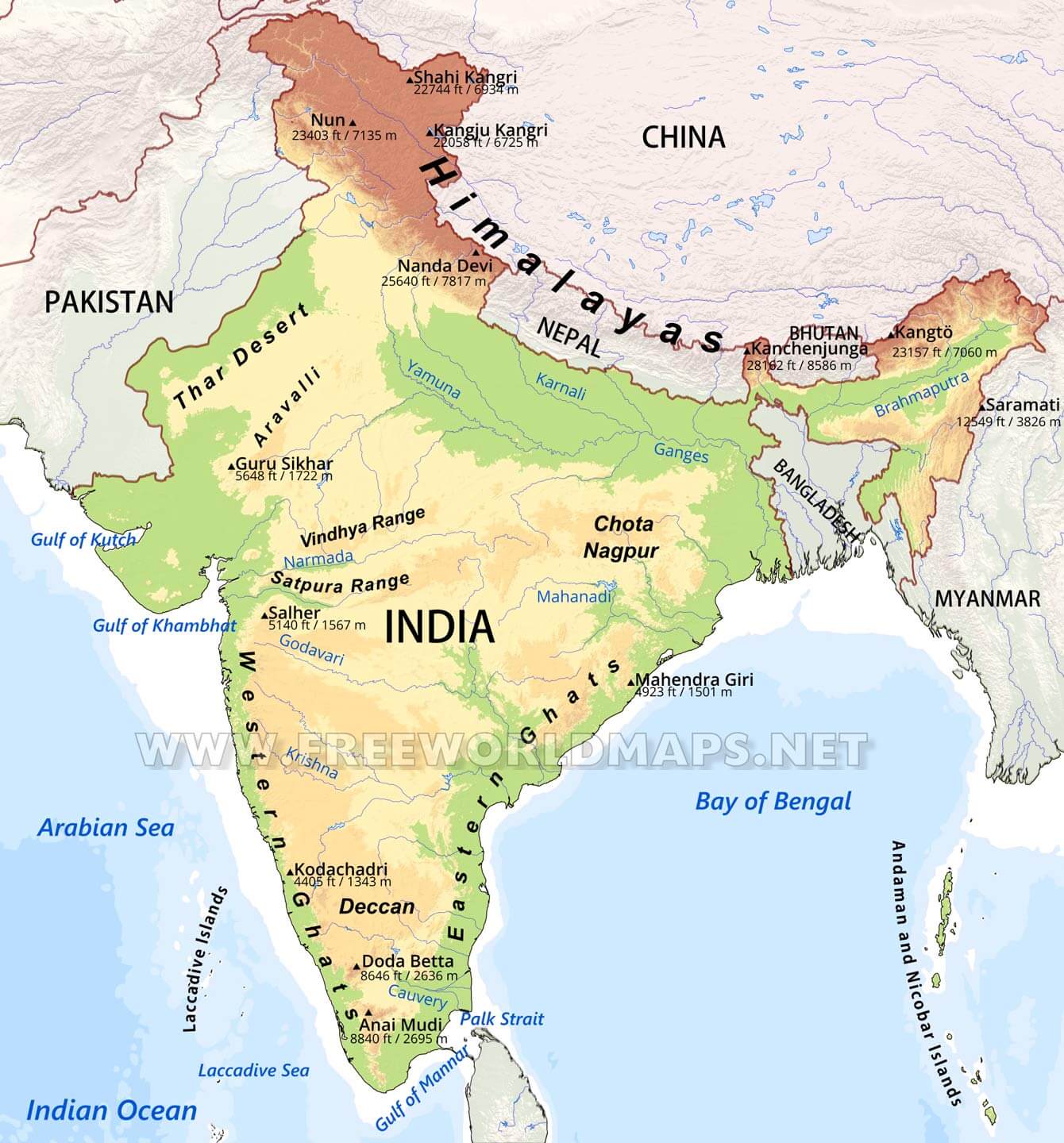
When the earth gave way at the Anakkampoyil-Kalladi-Meppadi tunnel road project on July 7, 2026, the initial headlines blamed the skies. It rained hard in Kerala's mountainous Wayanad district. It always does during the monsoon. The region recorded 265 mm of downpour in just 24 hours, soaking the hills of the Western Ghats. But as rescue workers dug through thick, suffocating mud near the Meenakshi Bridge to pull out bodies, a different story emerged. This wasn't just nature throwing its worst at India. It was a failure of basic safety rules.
We need to stop calling these incidents unavoidable acts of God. The landslide that buried this major infrastructure site killed at least three workers. Several others went missing or ended up in the intensive care unit. The tragedy did not happen because the rain was unprecedented. It happened because human warnings were ignored. Local authorities had literally put their safety concerns in writing. The construction firms just didn't listen.
The Day the Mud Came Down
It happened around 11:00 AM. Work on the massive $250 million twin-tube highway tunnel project had actually been paused because of the downpours. That temporary halt saved dozens of lives. If a full shift had been inside the portal, the body count would have been catastrophic. Instead, the mudslide struck the outer work zone, burying vehicles, an entire transport bus, heavy machinery, and the engineers and security personnel stationed nearby.
Local residents rushed in first. They didn't wait for the National Disaster Response Force or the state police. They pulled three survivors out of the muck with their bare hands. By afternoon, emergency teams from Kalpetta, Kozhikode, and Wayanad swarmed the site with sniffer dogs and earth-moving equipment.
The three men who lost their lives weren't local to Kerala. They were migrant workers who traveled across India to build its infrastructure. Chandraban was a machinery operator from Madhya Pradesh. Bikash Kumar was a civil foreman from Bihar. Anmol was a young laborer from Jharkhand. They died under a mountain of wet soil that shouldn't have been there in the first place.
The Paper Trail the Contractors Ignored
Here is the real scandal behind the Wayanad tunnel landslide. The soil that buried these men was excavated debris. When you drill a five-mile tunnel through a mountain range using the New Austrian Tunneling Method, you generate millions of tons of waste earth and rock. Engineers call this spoil.
You cannot just pile that spoil on an active slope in a heavy rain zone. It is a fundamental rule of civil engineering.
Wayanad District Collector and the Kerala State Disaster Management Authority saw the danger weeks ago. They issued explicit written orders to the project contractors, Dilip Buildcon Limited, and the executing agency, Konkan Railway Corporation Limited. The directive was clear. Move the accumulated muck away from the slope before the heavy monsoon arrives.
The orders were ignored. The construction company kept drilling, piling more and more unstable earth right above the active portal. When 265 mm of rain hit that loose, uncompacted pile, it turned into liquid concrete. The hillside didn't collapse naturally. The artificial mountain of construction waste did.
Kerala Agriculture Minister T. Siddique didn't hold back when speaking to reporters at the disaster site. He called it a man-made disaster and a clear case of criminal lapse. When local leaders raise specific structural concerns during official coordination meetings and nothing gets done, the system fails.
Why Wayanad Cannot Afford Lax Spoil Management
Building in the Western Ghats is like performing surgery on a fragile ecosystem. The mountain range is a UNESCO World Heritage site. It is stunning, but it is also highly prone to landslides. The soil structure here has a distinct texture, heavy with clay and mud, which quickly loses its grip when saturated with water.
The people living here are already traumatized. This tunnel site sits just four kilometers from Chooralmala. That is the very village that was completely wiped off the map during the July 2024 landslides, an event that claimed around 300 lives. You would think that a tragedy of that scale would make every developer double-check their safety protocols. Instead, we see the exact same casual attitude toward environmental safety.
Dilip Buildcon Limited released a statement claiming full compliance with all environmental and engineering approvals. They pointed out that the Supreme Court-appointed Central Empowered Committee monitors the project. But tracking paperwork is different from managing real soil stability on a slick hillside. The physical reality on Tuesday morning proved that whatever safety protocols were on paper didn't match what was happening on the ground.
Technical Shortcuts in Fragile Terrains
Engineers love the New Austrian Tunneling Method because it uses the inherent strength of the surrounding rock to stabilize the tunnel shell. It is a dynamic system. You excavate a bit, check the rock pressure, and spray shotcrete to seal it. It works beautifully in solid rock.
But the entrance portals are where everything can go wrong. The portal zone is where the tunnel meets loose topsoil and weathering rocks. If you clutter that exact zone with thousands of cubic meters of loose, unscientific dumping, you create a death trap.
Heavy earth-moving machinery is now clearing the roads to reach stranded residents on the other side of the bridge. The state government has set up relief camps at the Government Polytechnic School for families evacuated from nearby homes. They also halted traffic across the Meenakshi Bridge until engineers can verify if the rushing mud and debris compromised its foundations.
Real Safety Steps for Mountain Infrastructure
We cannot stop building infrastructure. Tunnels are necessary to connect isolated mountain districts and provide year-round travel when old ridge roads get blocked by rockfalls. But the way we build them has to change immediately.
- Enforce Off-Site Disposal Mandates: Stop letting companies stack tunnel spoil within a one-kilometer radius of the construction portal. It must be hauled to designated, low-gradient dumping yards immediately.
- Empower Local Collectors to Halt Work: If a district collector issues a written safety warning and a private contractor ignores it, the local administration must have the legal teeth to shut down the power grid to the site within 24 hours.
- Real-Time Slope Monitoring: Use automated inclinometers and piezometers on every active spoil bank. If the soil moisture spikes or the slope shifts by even a few millimeters, wireless alarms should trigger an immediate evacuation of the entire zone.
The rescue operations at Kalladi will finish, the mud will be cleared, and the political finger-pointing will eventually fade from the news cycle. But until construction firms realize that environmental safety isn't a bureaucratic checklist, workers like Chandraban, Bikash, and Anmol will keep paying the price.