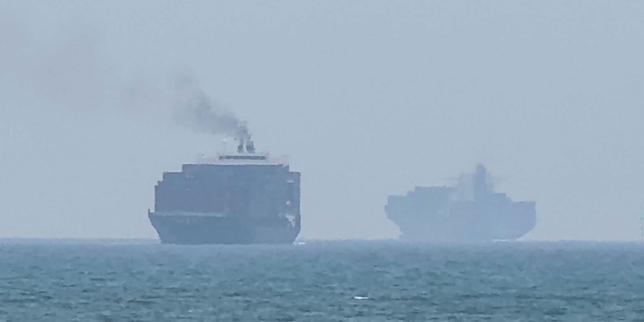
American diplomacy looks completely toothless right now as hostilities in the Middle East flare up again. The short-lived ceasefire signed just a month ago is dead. Washington keeps trying to project authority, but the escalating clashes between the United States and Iran in the Strait of Hormuz prove that old diplomatic playbooks aren't working anymore. It's a harsh reality check for Western influence.
The Illusion of a Stable Agreement
Many people genuinely believed the Versailles framework would bring long-term peace. It didn't. The agreement was fundamentally flawed from day one because it leaned far too heavily in favor of Tehran. It left crucial maritime security details vague. Now, we're seeing the fallout. In other updates, we also covered: Why Lindsey Graham Sudden Death Is A Massive Blow To Ukraine.
When Donald Trump signed the deal, critics warned it wouldn't hold. They were right. The deal failed to secure binding guarantees regarding the Strait of Hormuz, a critical global shipping chokepoint. Iran wasted no time exploiting these gaps. Tehran started demanding strict passage rights and threatening commercial vessels that didn't follow its exact routes. This sudden move sparked the recent wave of military actions.
Air Strikes and Broken Lines
Diplomatic channels have shut down completely. Talks in Switzerland were postponed indefinitely after deadly exchanges in the region. The conflict has moved entirely from negotiation tables to active combat zones. NPR has also covered this critical topic in great detail.
The White House ordered retaliatory strikes against Iranian targets after container ships were hit. Over 140 targets were struck in a massive show of force. Yet, this aggressive military response hasn't stopped the escalation. Trump recently threatened even worse consequences if Tehran keeps targeting commercial shipping. Iran responded by accusing Washington of committing war crimes against civilian infrastructure.
Why Deterrence Failed This Time
Traditional deterrence relies on the enemy fearing the consequences of their actions. That logic has broken down here. Iran feels emboldened by its tactical position along the coast. The withdrawal of certain high-profile US assets, like the F-22 Raptor stealth fighters from Israel's Ovda airbase, created a perception shift. Even though Washington claims these are routine adjustments, regional players saw it as a tactical opening.
Moving Past Outdated Strategies
Relying on weak treaties won't fix this crisis. If you're tracking the impact on global markets or international security, watching the rhetorical battle at the United Nations is a waste of time. The real action happens on the water.
- Secure independent shipping corridors. Global trade cannot rely solely on the US Navy to clear paths through hostile waters anymore.
- Diversify supply chains immediately. Companies moving goods through the Gulf need alternative routes to avoid sudden cargo seizures.
- Prepare for prolonged economic friction. Energy prices will fluctuate wildly as long as the Strait remains an active combat arena.
The diplomatic vacuum is permanent. Washington can't simply dictate terms to the region anymore, and expecting a new round of talks to magically fix deep structural rivalries is wishful thinking.