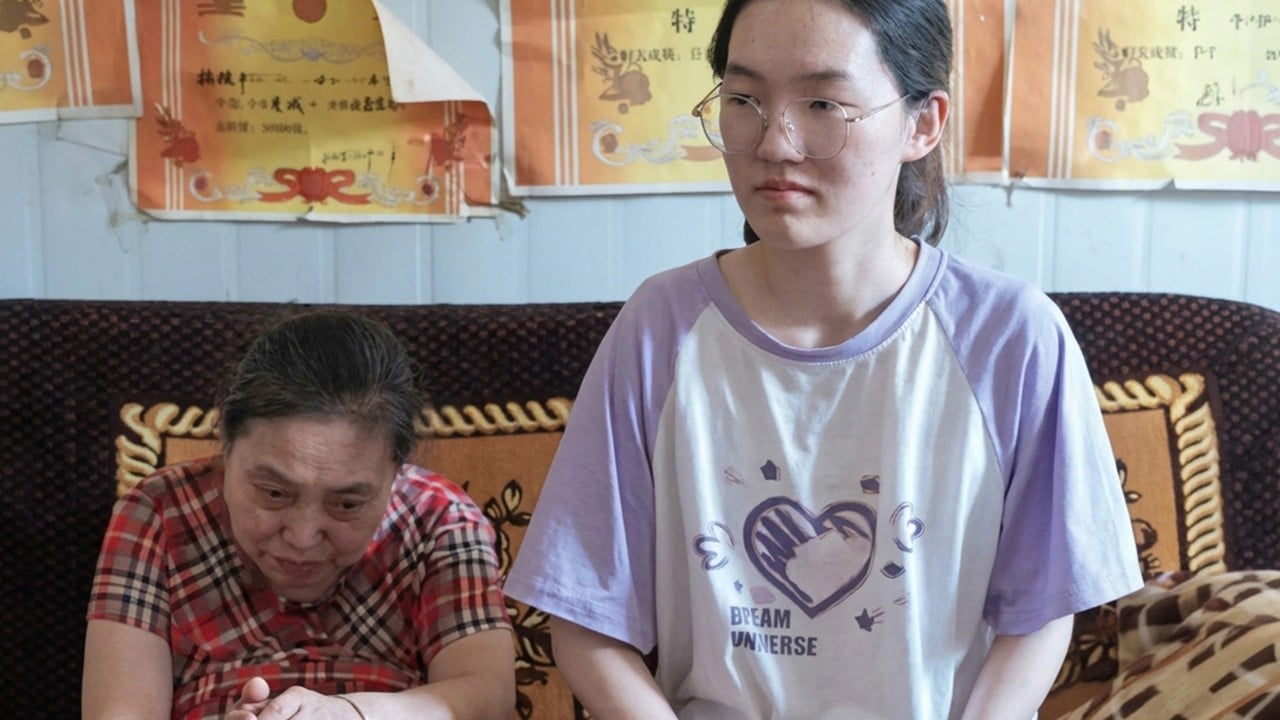
When an 18-year-old from an impoverished village in Henan province scores 699 out of 750 on China’s notorious national college entrance exam, the world notices. Top-tier universities like Tsinghua and Peking University immediately start knocking on the door. But in today's media climate, the university recruiters weren't the only ones descending on Han Yaping’s humble family home.
A small army of internet live-streamers showed up too. They brought cameras, smartphones, and cash offers. They wanted to finance her education in exchange for a slice of her viral fame.
Han did something that shocked the internet. She told them no.
This refusal reveals a massive cultural disconnect in modern China. It shows the stark contrast between the gritty reality of rural social mobility and the predatory nature of online attention economics.
The Reality Behind a Near Perfect Exam Score
The gaokao is brutal. For kids from wealthy urban families, it is a high-stakes competition backed by expensive private tutors, premium study apps, and mental health coaches. For a girl from rural Henan, it is quite literally the only way out of systemic poverty.
Han’s family operates on the absolute margins. Her mother battles ankylosing spondylitis, a painful inflammatory arthritis affecting the spine that keeps her from working. Her father keeps the family afloat through a mix of farming and unpredictable odd jobs. There is a younger sister to feed too.
Han did not have access to elite prep schools. Her family could not afford extra tutoring. Her high school recognized her raw talent and stepped in to waive her tuition, provide free accommodation, and give her a modest monthly allowance. Her dad would hand her 10 to 20 yuan, roughly a couple of dollars, for pocket money each week. She barely touched it. She brought the money back home whenever she could.
She didn't even own a mobile phone until after the exam.
Think about that. While the rest of the world spends hours scrolling through short-form videos, Han was staring at textbooks under fluorescent lights.
When Internet Traffic Exploits Real Poverty
When the news broke that Han aced the gaokao, her house turned into a digital zoo. Content creators and live-streamers flooded the village. This is a common pattern in China. Whenever a rural person goes viral for something wholesome or extraordinary, influencers swarm their home to hijack the traffic.
They call it check-in culture. It is mostly a parasitic exercise.
Some influencers offered genuine financial aid. Others just wanted the optics of charity to boost their own follower counts and algorithm rankings. To these live-streamers, Han’s poverty and academic genius were assets to be converted into digital engagement.
By turning down their cash, Han protected her autonomy. She stated she prefers to rely on her own hard work and plans to find part-time jobs during her university years to support her family.
It is easy to see why she declined. When you accept money from internet personalities, you become part of their content loop. You owe the audience updates. You owe the influencer your story. Han chose a clean break. She chose dignity over fast cash.
The Smartphone Debate and the Clueless Internet Backlash
After her results went viral, Han gave a piece of advice that rubbed some internet users the wrong way. She noted that if you do not study hard right now, you might struggle down the road. She suggested that many young people fail to reach their potential because they are completely obsessed with their mobile phones.
The internet did what it always does. It got defensive.
Critics jumped online to label her narrow-minded. They argued that a smartphone is merely a tool and that technology offers educational value. Some cynical commenters even claimed that hard work doesn't matter anymore because the economic job market is too tough anyway.
That critique shows how out of touch urban internet users can be.
For someone in Han’s position, a smartphone isn't a magical window to global knowledge. It is a massive distraction machine designed to hook your attention. When your family’s future hinges on a single exam, you cannot afford to waste thirty minutes a day on an algorithm. Her hyper-focus wasn't narrow-mindedness. It was survival.
Choosing a Path to Heal the Future
Han is currently weighing her future options. She is split between engineering and medicine. Her leaning toward medicine comes from a deeply personal place. She wants to understand the chronic illness that has sidelined her mother for years.
Medical professionals across China have stepped up online to give her authentic guidance, breaking down the actual demands of the field so she can make an informed choice. Unlike the live-streamers looking for a quick video clip, these professionals are offering real intellectual capital.
Han’s home walls are covered in school award certificates. They are the only decorations that matter in that house. Her parents are fiercely proud, and rightfully so.
Next Steps for Navigating Internet Viral Culture
If you find yourself following stories like Han’s, or if you run a platform that engages with viral human interest stories, it is time to change how we consume this content.
- Stop rewarding check-in creators. If a live-streamer travels to a vulnerable person's house just to film themselves handing over money, do not watch the stream. Disengage.
- Support institutional aid over internet charity. If you want to help rural students, donate directly to established high school scholarship funds that provide tuition waivers and housing, just like the school that supported Han.
- Respect privacy over content. True charity does not require a camera crew. Real support gives the recipient the space to study in peace without becoming a public spectacle.
Knowledge changes lives. Han knows it, her family knows it, and no amount of internet noise can cheapen the work she put in to earn her spot at the top. She faces a grueling road ahead at university, but she is entering those halls on her own terms, completely free of the digital hype machine.