A natural disaster doesn't end when the ground stops moving. On June 24, 2026, a brutal double-fault earthquake sequence—a magnitude 7.2 foreshock quickly followed by a massive 7.5 mainshock—tore through northwestern and central Venezuela. The initial impact was horrific, killing over 2,200 people, leaving tens of thousands missing, and reducing entire blocks in La Guaira and Caracas to dust.
But a week later, the crisis is shifting from a search-and-rescue emergency to an absolute medical failure.
The real tragedy isn't just the concrete that fell. It's the fact that Venezuela's public health system was already hollowed out by a decade of economic ruin before the first tremor even hit. Now, doctors on the ground are fighting a losing battle against infected wounds, a total breakdown of sanitation, and an incoming wave of chronic illness complications. Unless international and domestic response efforts pivot immediately, the aftermath of this disaster will claim far more lives than the tremors themselves.
The Illusion of Emergency Response
If you walk through the worst-hit neighborhoods of Caracas or the devastated coastal streets of La Guaira right now, you won't see an organized, well-equipped government relief effort. You'll see heavily armed military police wearing balaclavas. They have plenty of guns, but they don't have power tools, drones, or specialized rescue gear.
The acting administration under Delcy Rodríguez has been quick to blast out hopeful rescue videos on social media, but local communities aren't buying the propaganda. Everyday citizens are literally picking through concrete slabs with their bare hands to find their family members.
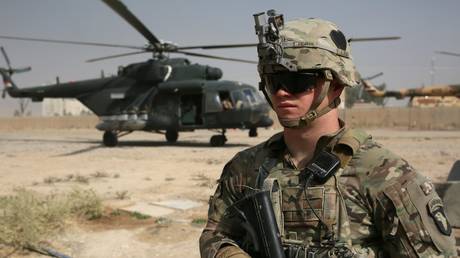
The political disconnect is dangerous. Security forces are trained for domestic repression, not disaster logistics. This lack of institutional capacity has forced a reliance on international teams. Rescuers from the US, Canada, Argentina, and the UK have arrived with thermal cameras and search dogs. The US has pledged over $300 million in emergency funding, and US Marines are currently working to repair the shattered port of La Guaira to allow aid ships to dock. Yet, even as foreign teams pull survivors from the rubble—like a toddler rescued alive after six days—the broader health network is completely collapsing around them.
Inside the Ruined Wards
Long before June 24, Venezuelan hospitals were infamous for lacking running water, reliable electricity, and basic medical supplies. The economic collapse forced thousands of experienced doctors and nurses to flee the country.
The earthquakes didn't just overload these fragile facilities; they physically broke them.
According to official figures, 38 hospitals nationwide were structurally compromised or damaged by the quakes. At least 20 hospitals were exposed to severe shaking intensities. The Pan American Health Organization (PAHO) ran rapid assessments on seven major facilities and found a chaotic nightmare:
- Overcrowded, stagnant emergency rooms.
- Massive, backlogged surgical lines for trauma and neurosurgery.
- A complete breakdown of basic biosafety and infection control.
- Forensic and morgue services that have completely collapsed.
At the Hospital del Oeste Dr. Jose Gregorio Hernandez in Caracas, the trauma unit is trying to perform complex orthopedic surgeries in makeshift rooms because whole wings of the building are unsafe. Doctors don't have the basic titanium plates, screws, or even medicated gauze needed to stabilize crushed limbs and prevent deep bone infections.
Worse, patients aren't arriving in ambulances because there basically aren't any working ambulances left. People with broken spines and open fractures are being hauled to the hospital in the back of open pickup trucks, completely exposed to the elements.
The Next Wave: Infections and Chronic Collapse
We've passed the critical 72-hour window where rescuing people alive from collapsed buildings is likely. The medical priority is changing, and the outlook is grim.
Sepsis and Untreated Trauma
The biggest immediate threat to survivors is wound infection. People who survived under the rubble for days are arriving with deep lacerations, crush syndrome, and necrotic tissue. Without sterile surgical fields, antibiotics, or clean water to flush out wounds, minor injuries are quickly turning into life-threatening sepsis.
The Shelter Petri Dish
Over 1.2 million tons of debris now litter the streets, choking municipal waste systems. Thousands of displaced families are sleeping in crowded makeshift shelters or out in the open. There's no clean water. Sanitation is non-existent. It's incredibly hot, and humanitarian workers are already warning that these crowded, unsanitary camps are turning into perfect breeding grounds for waterborne illnesses and vector-borne outbreaks like dengue.
The Invisible Chronic Emergency
There's another group of victims nobody is talking about: people with chronic diseases. Thousands of refugees lost everything when their homes collapsed, including their life-saving medications. Over the next week, hospitals will be flooded with a secondary wave of patients suffering from acute diabetic ketoacidosis, severe hypertensive crises, and unmanaged asthma. A system that can't even find gauze for an open wound has zero capacity to manage a wave of chronic organ failures.
Critical Next Steps for Survival
The current response strategy is failing to look past the rubble. To prevent this medical crisis from escalating into a historic humanitarian disaster, immediate tactical changes are required.
- Deploy Mobile Field Hospitals Instantly: Stop trying to force patients into damaged, unsafe concrete hospitals. International aid must focus on setting up self-contained, sterile military field hospitals with independent power and water filtration systems directly in La Guaira and western Caracas.
- Establish Air-Drop Supply Chains for Basic Orthopedics: The immediate bottleneck isn't just money; it's specific hardware. Aid organizations must bypass broken ground logistics and directly supply trauma centers with surgical plates, screws, antiseptics, and broad-spectrum IV antibiotics.
- Distribute Clean Water and Sanitation Kits: To prevent a massive cholera or dysentery outbreak in the temporary camps, the immediate focus must shift to bulk distribution of water purification tablets, portable jerrycans, and basic hygiene supplies.
- Create Distributed Chronic Care Stations: Set up separate, easily accessible tents dedicated solely to distributing basic maintenance medications for blood pressure, diabetes, and respiratory conditions to stop these patients from crashing and flooding emergency trauma bays.