When the ground shattered in northern Venezuela, nobody expected a miracle from the wreckage of the Galerias Playa Grande shopping center. The twin earthquakes, registering at terrifying magnitudes of 7.2 and 7.5, turned a bustling nine-story coastal complex in La Guaira into a chaotic mountain of 140 tonnes of shattered concrete. Over 3,300 people lost their lives in the disaster, and the United Nations feared tens of thousands more were missing. Yet, eight days later, a single story completely disrupted the grim narrative of despair. The incredible account of a Venezuela quake survivor shares ordeal after 8 days buried alive, transforming a national tragedy into a masterclass on human survival and international cooperation.
Hernán Alberto Gil Flores, a 43-year-old night-shift security guard, wasn't supposed to make it. Statistically, the human body reaches its strict survival limits within 48 to 72 hours when trapped beneath heavy rubble without water. If the crushing weight doesn't kill you immediately, dehydration or crush syndrome usually finishes the job. But Gil Flores beat the clock by a margin that has left seasoned trauma doctors completely stunned. His survival wasn't just a stroke of luck. It was a perfect storm of structural coincidence, sheer mental grit, and a relentless multi-nation rescue operation that refused to abandon a faint heartbeat beneath the ruins.
How a Security Cabin Defied 140 Tonnes of Falling Concrete
When the first earthquake hit on June 24, the structural integrity of the shopping center failed almost instantly. Floor after floor pancake-collapsed, a worst-case scenario for anyone caught inside. Gil Flores was stationed inside his small security booth in the basement level when the world came crashing down.
In a standard building collapse, most items are crushed flat. However, heavy-duty structural frames or small, reinforced enclosures can sometimes create what rescue teams call survivability pockets. That's exactly what happened here. While the massive concrete slabs pulverized the surrounding areas, his reinforced workstation cabin somehow absorbed the initial impact, holding its ground against the cascading debris. It formed a rigid shield, leaving a tiny, cramped pocket of air just large enough for him to breathe.
He was trapped in absolute, suffocating darkness. The air was thick with toxic concrete dust. The temperature in the enclosed coastal basement climbed rapidly. Every few hours, violent aftershocks rocked the ruined pile, threatening to shift the unstable debris and crush him completely. In those first few days, his reality was defined by isolation, a complete lack of water, and the distant, muffled sounds of a city in chaos above his head.
The Psychological Battle in the Deep Dark
Surviving a disaster like this isn't just a physical test. It's a brutal psychological war. When you are buried alive, your mind becomes your worst enemy. Panic increases your heart rate, which makes you consume oxygen faster and accelerates dehydration.
Gil Flores later recalled freezing in his booth as the second, stronger quake tore the building apart. He could hear the screams of neighbors initially, followed by an agonizing silence that lasted for days. To stay sane during those 192 hours in the dark, he focused strictly on his family. He thought constantly of his wife, Gusbimar González, and their two young kids, aged 8 and 10.
Interestingly, when a specialized search team from the Costa Rican Red Cross finally detected signs of life and established voice contact with him on Sunday, Gil Flores gave a heartbreaking instruction. He begged the rescuers not to tell his wife he was alive yet. He knew how unstable the ruins were. He didn't want to give his family false hope if another aftershock triggered a final collapse before they could get him out. That detail alone shows the staggering level of mental clarity he maintained under conditions that would drive most people to total hysteria.
Anatomy of a Seven Nation Rescue Operation
Locating a survivor is only ten percent of the battle. Extracting them without causing the remaining structure to collapse is an entirely different logistical nightmare. Once the Costa Rican team confirmed Gil Flores was alive, an elite international task force took over the operation.
Teams from Chile, El Salvador, the United States, Portugal, Mexico, and Costa Rica worked alongside Venezuelan emergency services. They faced a highly unstable mountain of rubble that required meticulous, manual shifting. Heavy machinery was out of the question because the vibrations could easily trigger a secondary collapse, killing both the survivor and the rescuers.
Rescue Operation Timeline:
Day 1: Twin quakes strike; shopping mall collapses completely.
Day 5: Costa Rican Red Cross detects life and establishes voice contact.
Days 5-7: Rescuers feed food, water, and oxygen through a tiny shaft while stabilizing concrete.
Day 8: After 72 hours of continuous tunneling, international teams pull Flores out alive.
For over 72 hours, rescuers tunneled through the wreckage. They managed to slide a narrow tube through a tiny gap in the concrete to deliver vital water, liquid nutrients, and fresh oxygen to Gil Flores. This crucial lifeline extended his survival window far past normal biological limits. While Chilean firefighters and international crews worked around the clock to carve a new access path, doctors monitored his condition via the audio link, guiding him on how to position his body to avoid developing severe medical complications.
The Hidden Medical Threat of Post Rescue Collapse
Most people think that once a survivor is pulled from the rubble, the danger is entirely over. In reality, the moments immediately following an extraction are among the most dangerous for a crush victim.
When a person's limbs are compressed under heavy debris for days, it causes severe muscle damage. This damage releases massive amounts of toxins, like myoglobin and potassium, into the isolated limb's bloodstream. As long as the pressure remains, the toxins stay trapped. But the moment the debris is lifted and blood flow returns to normal, those toxins rush straight to the heart and kidneys. This phenomenon is known as crush syndrome, and it can cause sudden kidney failure or fatal cardiac arrest within minutes of rescue.
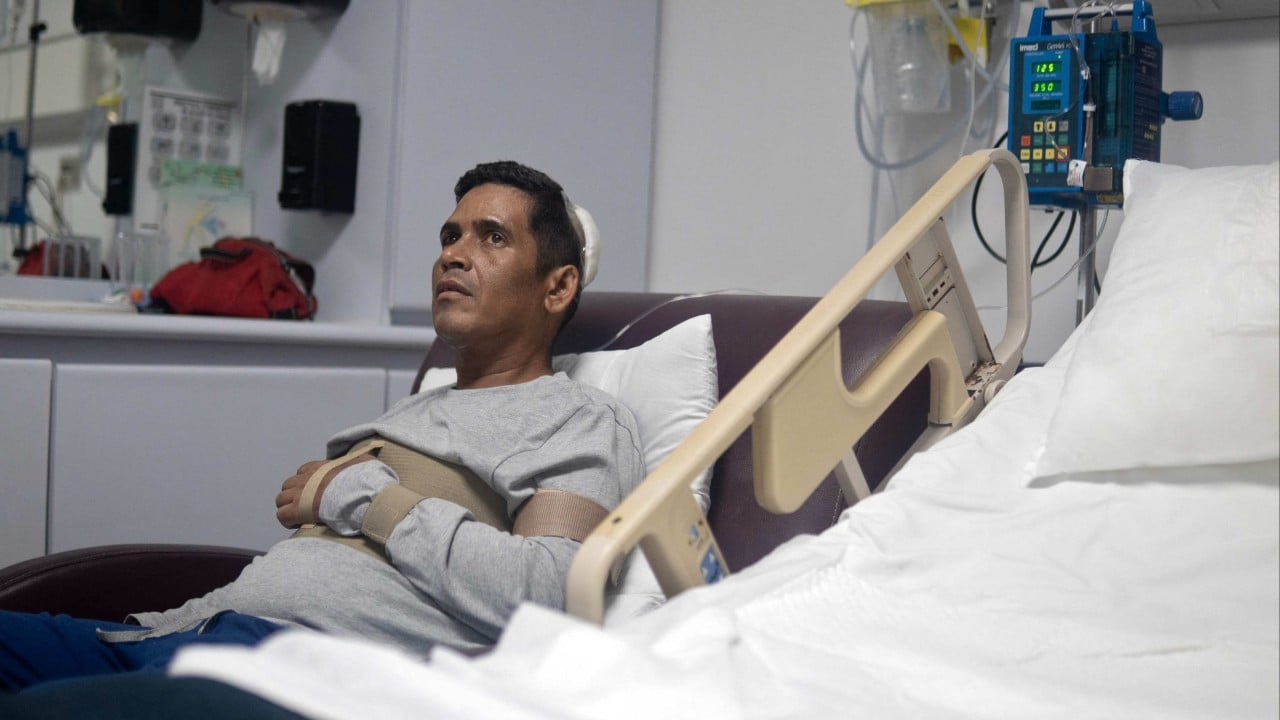
Medical teams on site had to pre-treat Gil Flores while he was still partially trapped, administering intravenous fluids to flush his kidneys before the final concrete block was moved. When he finally emerged into the daylight on Thursday morning, wrapped in an orange tarp and surrounded by cheering international rescue workers, he was weak and heavily bruised, but medically stable.
Survival Strategies You Can Actually Use
While you hopefully will never find yourself trapped under a collapsed nine-story shopping mall, earthquakes and structural failures happen without warning. Understanding the exact mechanics of how this survival occurred offers vital, practical lessons for anyone living in a seismically active zone.
- Identify structural triangles immediately. The old advice of hiding under a flimsy table is outdated. Look for solid, heavy objects like a washing machine, a structural pillar, or a reinforced counter. If the ceiling falls, it will hit these objects and create a triangular void next to them, just like the security booth did for Gil Flores.
- Protect your airway above all else. In a collapse, dust is an immediate killer. Cover your mouth and nose with any clothing available, ideally wetting it with sweat or any available liquid to filter out fine concrete particles.
- Conserve your energy and voice. Screaming continuously will exhaust you and dry out your throat, accelerating dehydration. Instead, tap rhythmically on metal pipes or concrete walls using a rock or object. Sound travels much further through solid structures than it does through thick debris.
- Manage your mental focus. Panic kills. If you are trapped, focus on rhythmic breathing and break your time down into tiny, manageable goals rather than focusing on the vast uncertainty of rescue.
The miraculous survival of this Venezuela quake survivor proves that even when the statistics say it's impossible, preparation, structural voids, and an unyielding will to live can rewrite the outcome of a disaster. Turn these survival principles into second nature because you never know when a regular day at work might turn into a fight against a hundred tonnes of concrete.