Imagine spending years building a life in the US, only to be forced onto a deportation flight back to the country you fled. Now imagine landing, being ushered into a temporary hotel processing center, and seeing the walls collapse around you hours later as a massive double earthquake hits.
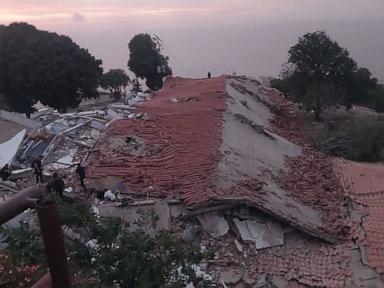
That is exactly what happened to 146 Venezuelan migrants. Their flight departed Miami and landed in Caracas on Wednesday, June 24, 2026. By evening, the coastal town of La Guaira was rocked by back-to-back 7.2 and 7.5 magnitude earthquakes. The Hotel Santuario La Llanada, where the government was housing the deportees, Pancaked.
More than 100 deportees remain missing beneath the rubble. While the total death toll across Venezuela has surpassed 1,700, this specific collapse exposes the brutal reality of immigration policy meeting a natural disaster. It forces us to look past statistics and examine the administrative pipelines that put people in harm's way.
From Detention Centers to the Epicenter
The timing was a bureaucratic coincidence with fatal consequences. According to data from Human Rights First’s ICE Flight Monitor, the deportees included 19 women and seven children. They were part of an aggressive push for mass deportations by the US administration. Flights to Venezuela had resumed in February 2025 following a year-long pause, accelerating to three flights per week by May 2026.
When the plane touched down, Venezuelan authorities processed the group at the airport and transferred them to the Hotel Santuario La Llanada. The plan was standard. They would receive basic medical exams, get issued fresh Venezuelan identification cards, and be sent to their home provinces the following day.
Instead, the ground tore open.
Survivors report that the sky turned black and a heavy heat settled over La Guaira right before the first shockwave. 58-year-old Lisbeth Portillo, who had a pending US asylum claim after crossing the Mexican border back in 2021, was resting in a second-floor room with 16 other women. She recalled hearing a sudden, rhythmic rattling sound before the floor dropped. Women fell around her, screaming for help. Within moments, a second quake struck, burying her under a structural beam.
Portillo only survived because the violent shifting of the second tremor dislodged the debris covering her. She crawled out, battered and bruised, joining roughly 20 other survivors who walked five kilometers on foot to a National Guard station to seek safety and find a working telephone.
Others got out through pure luck and split-second survival instincts. 24-year-old Jenny Rodriguez was pinned down under heavy concrete. As another deportee scrambled past the wreckage, she managed to free a single hand, grabbed his trousers, and begged him to pull her out. He did.
The Silent Treatment from Government Officials
The human toll is clear, but the systemic response has been a wall of silence. Families of the deported are trapped in an agonizing information vacuum. In the US, relatives who knew their loved ones were being deported have no way of knowing if they survived the flight, let alone the earthquake.
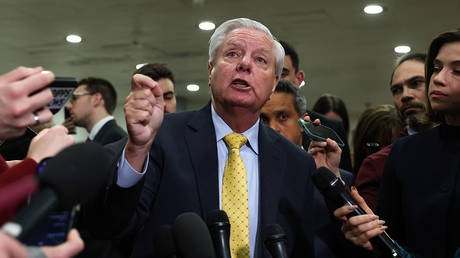
Liliana Rojas told reporters she has been desperately trying to track down her 33-year-old partner. The detention facility in El Paso, Texas, where he was held, simply told her he was deported. Nobody on the US or Venezuelan side is providing answers regarding who was in the building when it went down. US Immigration and Customs Enforcement has avoided issuing formal statements detailing the operational logistics or names of those handed over.
This disaster hit Venezuela during an incredibly fragile period. The nation has suffered through a massive peacetime refugee crisis over the last decade, driven by severe economic dysfunction, rampant crime, and political volatility. Millions fled. The capture of Nicolas Maduro during a US military operation in January started a complex national transition, and this double earthquake has completely overwhelmed local infrastructure.
What This Means for Immigration Accountability
This tragedy raises difficult questions about the duty of care in immigration enforcement. When a state deports individuals, its legal responsibility typically ends the moment the aircraft wheels touch the tarmac. But human rights groups argue that rushing people into unstable, high-risk processing zones during times of intense regional volatility requires a deeper look.
If you are a family member trying to locate someone caught in this crisis, or if you want to track the unfolding human rights situation, here are the direct channels to monitor:
- Track flight manifests through non-governmental watchdogs like Human Rights First, which continually updates the ICE Flight Monitor database to confirm flight dates and passenger numbers.
- Reach out to the Venezuelan Red Cross or the International Federation of Red Cross and Red Crescent Societies (IFRC), as they are actively coordinating search, rescue, and survivor identification on the ground in La Guaira.
- For those with family members recently held in Texas or Florida facilities, file an emergency inquiry through the ICE Online Detainee Locator System or contact legal aid organizations specializing in transnational family tracing to put formal pressure on local field offices.