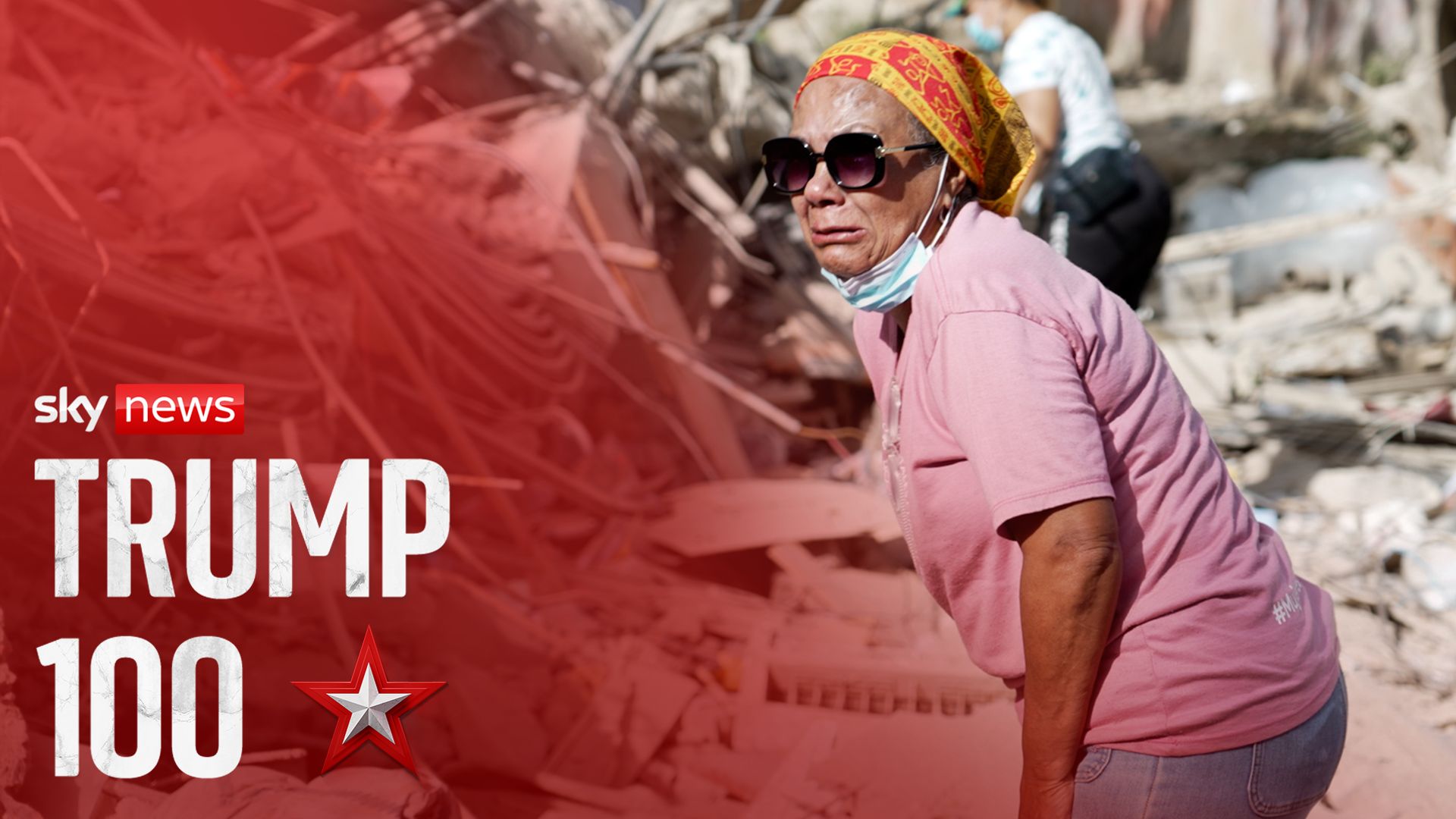
People are digging through concrete blocks with their bare hands in Catia La Mar right now. They aren't waiting for specialized gear because there isn't any. When the massive twin earthquakes struck northern Venezuela late in June 2026, it didn't just collapse buildings. It shattered a society that was already running on fumes.
The mainstream media focuses on the shocking images of dust and crushed cars. But if you want to understand the real tragedy unfolding inside Venezuela's disaster zone, you have to look at the intersection of a massive natural disaster and a profound political vacuum. The country was already reeling from the stunning capture and extradition of Nicolas Maduro by US forces earlier this year, leaving an acting government scrambled under Delcy Rodriguez.
Now, the official death toll stands around 1,900. But anyone who knows the state of Venezuelan infrastructure knows that number is a fiction. Independent analysts suggest the real toll is deep into the thousands, with over 58,000 buildings completely destroyed.
Anatomy of a Compounded Disaster
Why did a standard, albeit powerful, seismic event cause this level of utter devastation? The answer lies in decades of structural neglect. The buildings that fell weren't just old; they were built or modified during years of economic chaos without proper engineering oversight.
When the ground shook, coastal towns like Catia La Mar and major hubs near Caracas simply folded.
The United Nations recently estimated that 7.9 million Venezuelans already required humanitarian assistance at the start of 2026. Put an earthquake on top of that, and the logistics of survival become a nightmare. A basic food basket for a family of five was hovering near $586 USD before the disaster. Now, with supply chains severed, food prices are completely unmanageable for ordinary citizens.
The Chaos on the Ground and the Geopolitical Struggle
The immediate response highlights the deep fractures in the country. On one side, you have the acting Venezuelan government deploying military forces to affected areas, though locals frequently report that these troops are doing more to control information and secure state assets than actually saving lives. Some reports even accuse desperate military units of looting the victims they are supposed to protect.
On the other side, an unprecedented foreign military presence has emerged right on the coastline. The U.S. Southern Command (SOUTHCOM) has moved quickly, utilizing the transition period in Venezuelan politics to establish a major footprint.
- USS Fort Lauderdale: Berthed right at the Port of La Guaira, acting as a massive communications hub and floating hospital.
- USS Billings: Flying rotary-wing aircraft to drop supplies into isolated mountain and coastal villages where roads have slid into the sea.
- Simón Bolívar International Airport: Transformed into a Humanitarian Assistance Coordination Center managed by U.S. Marines.
It's a bizarre, high-stakes scene. You have American troops driving all-terrain vehicles through Venezuelan streets to distribute aid, while the local political climate remains incredibly tense following the political shifts of February and March.
What Most Media Outlets are Missing
If you are just watching the nightly news, you're missing the true scale of the crisis. This isn't just about a lack of blankets or clean water. It's about a total systemic failure.
The Healthcare Collapse
Hospitals in northern Venezuela didn't have reliable electricity or consistent running water before the earthquake. Now, they are trying to treat thousands of crush injuries and severe fractures with basic first-aid supplies. Field hospitals set up by international aid groups are overwhelmed, and the threat of waterborne diseases is skyrocketing by the hour.
The True Death Toll
With tens of thousands of homes reduced to rubble, the official tallies are lagging far behind reality. Whole families in informal settlements along the hillsides of Caracas and Vargas state have simply vanished under mud and concrete. Without heavy machinery, getting an accurate count will take months, if it happens at all.
How to Actually Support the Relief Efforts
When a disaster of this magnitude hits, well-meaning people often make the mistake of trying to send physical goods or donating to generic funds that swallow up cash in administrative costs. If you want to make a direct impact on the ground right now, focus on entities with established, local infrastructure that bypass political roadblocks.
- Support On-The-Ground Humanitarians: Look toward organizations like Concern Worldwide or Médecins Sans Frontières (Doctors Without Borders), who already had personnel in Venezuela before the quakes hit and know how to maneuver through the local chaos.
- Fund Cash-Assistance Programs: Programs that provide direct financial aid to Venezuelan families allow them to purchase what they actually need from surviving local markets, which helps stabilize the local economy faster than shipping in containers of random goods.
- Keep the Spotlight Active: Public pressure ensures that international aid networks and naval support stay deployed. Don't let the crisis fade from your feed as the weeks drag on.