The twin earthquakes that hammered north-central Venezuela on June 24, 2026, didn't just shatter concrete. They completely exposed a healthcare system that was already hollowed out by decades of economic neglect and political turmoil. When the M7.2 and M7.5 quakes struck, the immediate crisis looked like any other massive natural disaster. Buildings fell. People were trapped. First responders rushed to the scene. But the secondary disaster unfolding inside the country’s hospitals is entirely man-made.
If you want to understand why the casualty numbers are climbing so fast, you have to look past the rubble. The real tragedy is happening in the overcrowded, understaffed medical wards trying to handle the fallout.
Right now, official government reports put the death toll at 1,943 with over 10,571 injuries. Experts on the ground know those numbers are an undercount. Forensics and morgue services have entirely collapsed. Missing person tracking is non-existent. Hospitals are not just saturated; they are structurally breaking under the pressure.
The Broken Spine of Venezuelan Healthcare
Venezuela's medical infrastructure didn't stand a chance. Long before the ground shook, hospitals routinely faced chronic shortages of running water, electricity, basic antibiotics, and surgical gloves. Over 8 million citizens have fled the country in recent years, including a massive percentage of trained doctors and nurses.
When thousands of trauma victims suddenly flooded the remaining clinics, the system buckled instantly.
According to evaluations by the World Health Organization, at least 38 hospitals nationwide suffered damage. Out of 21 heavily vetted facilities across Caracas, La Guaira, Miranda, and Falcón, three are completely non-functional. Six more have severe structural damage. The rest are trying to operate under extreme, unsustainable strain.
Consider what this looks like on the ground in La Guaira, one of the hardest-hit states. The earthquakes didn't just damage the walls of the local maternal care clinic. They buried or displaced the specialist doctors who ran it. Right now, there is an absolute absence of obstetric and maternal care pathways in the entire area. Pregnant women injured in the disaster have nowhere to go.
From Trauma to Epidemic
The immediate threat of falling debris has passed, but a second wave of danger is rising fast. UN agencies are warning of a massive public health crisis due to displaced populations living in squalor. NASA estimates that nearly 59,000 buildings were damaged or destroyed. That means hundreds of thousands of people are out on the streets.
Families are sleeping in cars, public parks, or packed into makeshift, unsanitary shelters. There is no clean water. Soap is a luxury. Showers don't exist.
Diseases on the Verge of Spreading
- Vaccine-preventable: Measles, diphtheria, pertussis
- Mosquito-borne: Dengue, yellow fever, malaria, Zika, oropouche
- Water-borne: Acute diarrheal diseases
The risk of a massive measles outbreak is particularly terrifying. Venezuela already had dangerously low vaccination coverage before the disaster. Now, with thousands of children crammed together in tents, the conditions are perfect for a rapid spread. UNICEF reports that 680,000 children across the country urgently need humanitarian help.
Political Friction is Blocking Lifesaving Aid
The political reality makes everything twice as complicated. The national government under interim figures like Delcy Rodríguez maintains tight control over information. Officials have warned the public against sharing any disaster data that contradicts official state numbers. This makes tracking the true scale of the missing population nearly impossible. A non-governmental digital database lists over 50,000 missing individuals, highlighting the massive gulf between state rhetoric and reality.
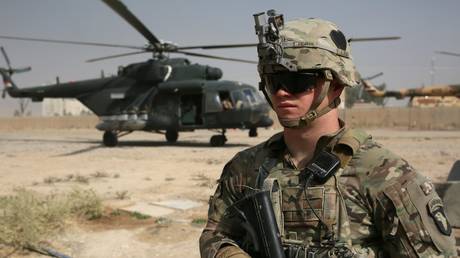
Surprisingly, international dynamics have shifted out of pure necessity. US forces have been spotted airlifting emergency supplies and coordinating chaotic air traffic, a stark change given the historically hostile relationship between Washington and Caracas. The Pan American Health Organization has launched a $23.9 million emergency appeal to fund critical health interventions over the next six months. They have already managed to deliver over six tons of emergency medicines, surgical supplies, and personal protective equipment.
But logistics remain a nightmare. Broken phone networks and severed connectivity mean aid workers can barely communicate with teams just a few miles away. Local community tensions are boiling over as desperate survivors fight for dwindling food and medical supplies.
Concrete Steps Needed Right Now
International aid cannot just be dumped at airports and left to rot. To prevent the death toll from doubling over the next month, the relief strategy must pivot immediately.
First, the primary focus must shift from searching the rubble to strict epidemiological surveillance. Setting up immediate, mobile vaccination clinics in every temporary camp is the only way to head off a measles or diphtheria outbreak.
Second, forensic and casualty registration teams must be deployed independently. Without accurate tracking of the dead and missing, resource allocation is purely guesswork.
Finally, clean water and basic hygiene kits containing soap and water purification tablets must be treated with the same urgency as surgical equipment. If the water supply remains contaminated, the hospitals that managed to survive the tremors will be completely drowned by a wave of waterborne infections.