Venezuela is facing an unprecedented humanitarian nightmare. A catastrophic twin earthquake struck the northern coast, and the death toll has officially climbed to 3,811 people. It is a brutal reality for a nation already beaten down by years of economic collapse. Now, acting President Delcy Rodriguez has made a desperate, highly unorthodox diplomatic gamble. She wrote directly to Britain's King Charles III to demand the immediate release of 30 tons of Venezuelan gold currently frozen in the Bank of England.
This is not just a story about a natural disaster. It is a collision of tectonic plates and global geopolitics. The question is simple. Will the British government put politics aside to help save millions of suffering citizens, or will the gold remain locked away in London vaults while bodies are pulled from the rubble?
The Human Toll of 39 Seconds of Terror
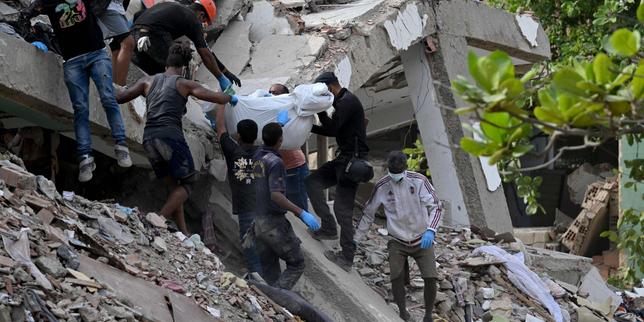
The disaster started on June 24, 2026. Two massive earthquakes, measuring 7.2 and 7.5 in magnitude, ripped through northern Venezuela. They hit just 39 seconds apart. That tiny window gave residents absolutely zero time to escape. Buildings that survived the first shake were utterly obliterated by the second.
National Assembly President Jorge Rodriguez laid out the devastating updated figures. Along with the 3,811 confirmed dead, the twin quakes left 16,740 people injured. Rescue teams have successfully pulled 6,462 survivors from collapsed concrete and twisted steel.
The structural damage is horrifying. Government agencies report that 17,907 people are completely homeless. More than 86,000 families require immediate emergency assistance just to survive day to day. Entire coastal towns like La Guaira have been reduced to tent cities where survivors wash in the ocean and wait hours for basic food rations. The United Nations Office for Disaster Risk Reduction estimates the total physical infrastructure damage at a staggering $37 billion.
The Geopolitical Standoff Over 30 Tons of Gold
Venezuela desperately needs money. The country's infrastructure was broken long before the ground shook. Enter the diplomatic fight of the decade.
The acting government wants the UK to release roughly $2 billion worth of Venezuelan gold reserves. This bullion has been sitting deep underground in London for years. The British government froze the assets as part of broad international sanctions aimed at choking off the previous regime.
Delcy Rodriguez went on state television to make her plea public. She argued that the gold belongs entirely to the Venezuelan people and must be channeled directly into rebuilding homes and restoring shattered hospitals. Foreign Minister Yvan Gil echoed this sentiment at a virtual UN summit, demanding that all frozen Venezuelan assets worldwide be unlocked for emergency relief.
The situation is legally messy. British courts have repeatedly rejected past appeals from Caracas to access this gold. During the height of the pandemic, the Maduro administration tried to get the funds for medical supplies, but London refused, citing the illegitimacy of the government. The political landscape shifted dramatically earlier this year after the dramatic capture of Nicolas Maduro, which left Delcy Rodriguez holding the reins of an interim government.
By writing to King Charles III directly, Rodriguez is trying to bypass traditional diplomatic gridlock. The King holds no actual political power to release the funds, but the symbolic pressure is immense. It forces the British executive branch to make a public moral choice.
Sanctions are Cracking but Will London Blink
Washington has already moved. Recognizing the sheer scale of the horror, the US government temporarily suspended key economic sanctions for a four-month period. This temporary window allows humanitarian groups and foreign military aid teams to deploy resources without fear of legal penalties.
The United Nations is also begging for cash. UN relief teams have launched an emergency appeal for around $300 million to $387 million to provide immediate water, medicine, and temporary shelter to 1.3 million urgent survivors.
The UK Parliament is seeing early internal pressure. A few progressive members have already signed motions urging the government to unlock the gold reserves specifically for earthquake relief.
The British Foreign Office faces a terrible dilemma. If they release the gold, they risk legitimizing a political faction they have spent years opposing. If they keep it locked up, they look completely heartless while thousands of innocent people sleep on beaches and disease spreads through ruined cities.
What Happens Next on the Ground
Do not expect an instant resolution. International bureaucracy moves incredibly slowly, even when people are dying under concrete.
The immediate focus remains entirely on survival. If you are tracking this crisis, watch for these specific shifts over the coming weeks.
First, look at the US sanctions window. The four-month suspension is a ticking clock. Relief organizations must flood northern Venezuela with construction materials and heavy machinery before the restrictions snap back into place.
Second, watch the British government's official response to the letter sent to the King. Downing Street will likely try to deflect the decision back to the court system, but public pressure from human rights groups might force a compromise, such as releasing the funds directly to a UN-managed trust rather than the Venezuelan treasury.
Third, look at local rebuilding plans. The Venezuelan government claims it is working with international firms to plan earthquake-resistant housing sectors. Given the country's history of corruption, tracking exactly where international aid money goes will be vital to ensuring survivors actually get homes.
The tragedy in Venezuela proves that nature does not care about geopolitical standoffs. The ground shook for less than a minute, but the political fallout will last for years.