When a war kicks off with the assassination of a country’s Supreme Leader, you generally don't expect the attacking superpower to turn around and save that same country's next-in-line leaders. Yet, that's exactly what happened in the shadow war that erupted on February 28. Washington took the extraordinary, almost unprecedented step of acting as a backchannel bodyguard for Tehran.
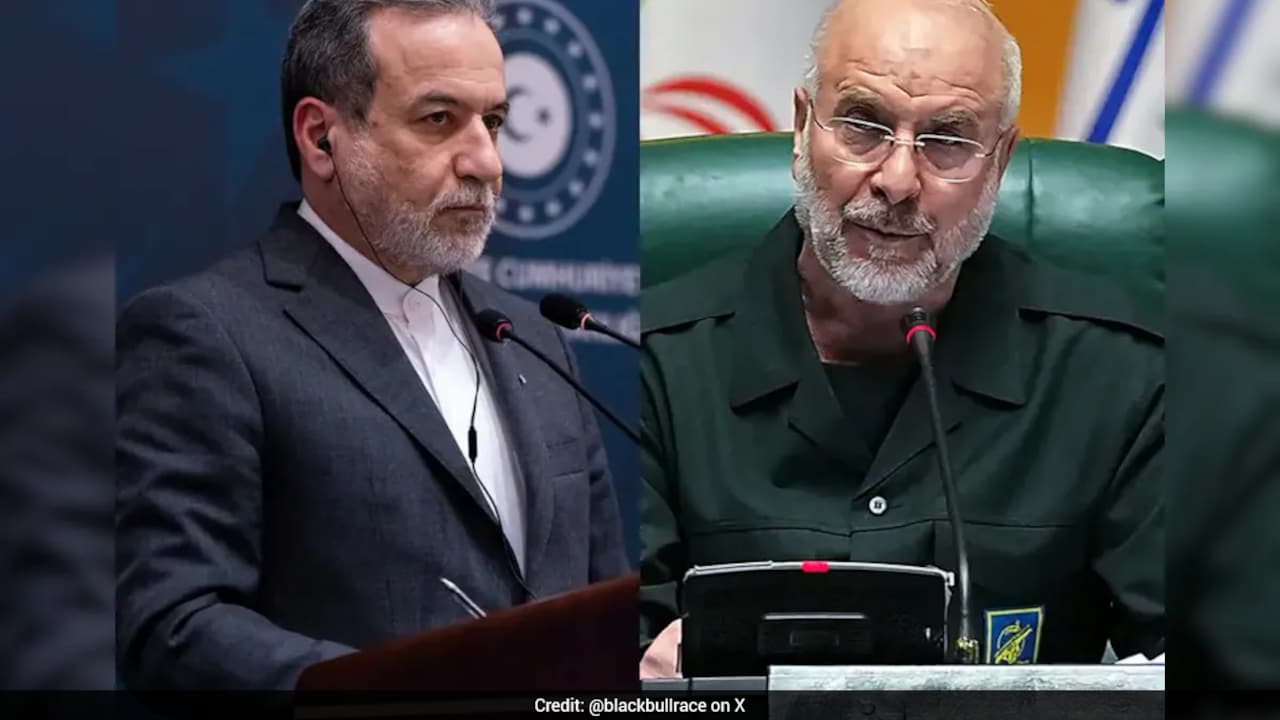
Intelligence officials realized Israel was actively tracking and plotting to assassinate Iran’s Foreign Minister Abbas Araghchi and Parliament Speaker Mohammad Bagher Ghalibaf. Instead of letting the strikes happen, the Trump administration used regional intermediaries to tip off Tehran.
It wasn't out of sudden affection for the Islamic Republic. It was pure, calculating survival instinct for a peace process that Washington desperately wanted, but Israel wanted to dismantle. The US saw Araghchi and Ghalibaf as the only pragmatists left standing who could actually sign a deal. If Israel wiped them out, any hope of a permanent exit strategy would die with them.
The Secret Flight Over Iraq and an Emergency Mid-Air U-Turn
The tension between American and Israeli war aims came to a head on April 12. Ghalibaf was flying back to Iran from Islamabad, Pakistan, after high-stakes meetings with US Vice President JD Vance. Pakistan had taken extra precautions, deploying fighter jets to escort the Iranian delegation safely to the border.
They had good reason to worry. Ghalibaf had already survived being pulled from the rubble twice over the last year—once during the 12-day conflict in June 2025, and again when Israel hammered a command bunker earlier in 2026.
Midway through the flight home, Iranian security forces flashed an urgent intelligence alert to the aircraft. Two Israeli fighter jets had breached western Iranian airspace, crossing over from Iraq. They were hunting Ghalibaf's plane.
Instead of continuing its vulnerable path toward Tehran, the pilot executed a sharp, emergency diversion, banking hard toward Mashhad in northeastern Iran. The plane touched down safely, and the shaken diplomatic delegation had to endure an exhausting eight-hour overland drive just to get back to the capital. Washington’s backchannel intelligence warnings had laid the groundwork for Iran to be on high alert for exactly this kind of ambush.
When Killing the Pragmatists Ruins the Peace Deal
The US and Israel initially looked aligned when they launched joint operations on February 28, a campaign that successfully eliminated Supreme Leader Ayatollah Ali Khamenei. However, the alliance cracked open in March.
The breaking point wasn't the death of the Supreme Leader. It was Israel's targeted assassination of Ali Larijani, Iran's top national security official, followed by former Foreign Minister Kamal Kharazi. Both men were actively involved in backchannel talks with the US when they were killed.
Every time Washington found an Iranian official capable of negotiating, Israel put them in the crosshairs. As one US official put it plainly, "You kill those folks, and you're killing the pragmatists."
President Donald Trump openly voiced his frustration with Israel's relentless decapitation strategy around that time, admitting to reporters that negotiating was proving "a little tough" because Israel had "wiped out everybody."
While Israel pursued a total regime collapse, US intelligence concluded that the military and clerical establishment in Tehran would hold onto power regardless of how many leaders died. Washington shifted focus toward a diplomatic exit. By the time an initial ceasefire was declared on April 8, Araghchi and Ghalibaf were the primary interlocutors representing Iran. To the White House, they were essential assets. To Israeli Prime Minister Benjamin Netanyahu, they were just names left on a target list.
The Friction Behind the US-Iran Memorandum of Understanding
The divergence in strategies highlights a deep political rift between Washington and Jerusalem. The US successfully pushed forward with a 14-point Memorandum of Understanding (MoU) in June, a deal brokered alongside Qatar and Pakistan that secured a 60-day war pause and reopened the blockaded Strait of Hormuz.
The MoU offers Iran economic sanction relief in exchange for verifiable restrictions on its nuclear program. This outcome directly opposes Netanyahu’s explicit goal of total regime change in Tehran.
Israeli officials and pro-Israel factions in Washington heavily criticized the pact, viewing it as a premature lifeline to a battered enemy. But for a US administration wary of getting dragged into another endless ground war in the Middle East, protecting the people who could sign the paperwork mattered more than letting an ally secure a total military victory.
If you are tracking geopolitical risk or managing investments affected by Middle East supply chains, keep your focus entirely on the survival of these backchannels. Watch whether Araghchi and Ghalibaf maintain their political footing inside Iran despite hardliner fury, and monitor whether the US continues to shield them as long as the June MoU holds. The true indicator of where this conflict goes next isn't found in public press conferences, but in whether the next secret diplomatic flight manages to land safely.