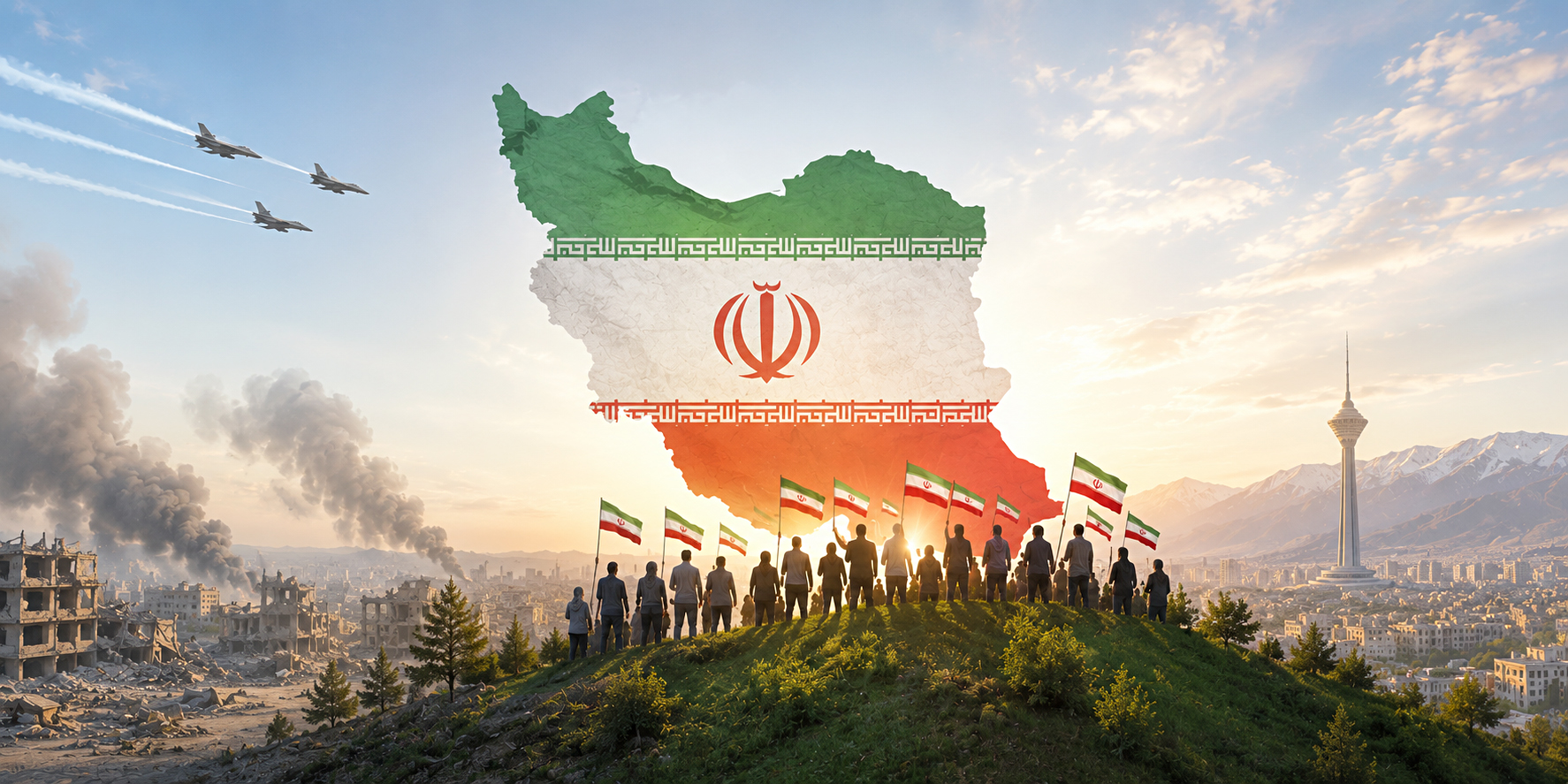
The thin illusion of a managed conflict in West Asia just shattered. Over the last twenty-four hours, the escalating maritime shadow war between Washington and Tehran transformed into a direct, multi-front conflagration. Iran's Islamic Revolutionary Guard Corps launched a massive, coordinated barrage of missiles and kamikaze drones targeting key U.S. military bases across Jordan, Bahrain, and Kuwait.
This isn't just another localized flare-up. It's a massive regional escalation that redefines the geopolitical boundaries of the Middle East.
If you've been tracking the headlines, the official narrative claims this is a simple eye-for-an-eye retaliation. The U.S. Central Command hammered 140 targets inside Iran to keep the Strait of Hormuz open. Iran fired back at the host nations sheltering American forces. But that explanation misses the real strategic shift happening under our noses. Tehran is explicitly telling Washington's Gulf allies that their neutrality is an illusion. If American jets fly from your soil, your infrastructure burns.
The Night the Gulf Air Defenses Failed to Keep the Peace
The scale of the IRGC strikes caught regional air defenses flat-footed. For months, the consensus among Western defense analysts was that integrated Patriot batteries and regional naval screens could easily brush off drone swarms. That theory died last night.
In Jordan, the IRGC targeted the Prince Hassan Air Base. This isn't a minor outpost. It's a critical logistical and operational node for Western forces operating near the Syrian and Iraqi borders. According to local military reports, multiple Iranian drones penetrated the perimeter. They ignited massive fires in fuel depots and ammunition storage facilities. Jordan's military claims it managed to intercept and shoot down four missiles that entered its airspace. Still, the damage on the ground tells a far more chaotic story.
Simultaneously, the strike wave rushed southward into the Persian Gulf. Bahrain, which hosts the U.S. Navy's Fifth Fleet, sounded its missile alert sirens twice in a single morning. Imagine waking up to that sound in Manama. It's terrifying.
The primary target was a U.S. drone command center located at the Sheikh Isa Air Base. The IRGC claims this facility was crucial for directing the surveillance assets that guided recent American airstrikes on Iranian soil. By targeting the eyes of the U.S. military, Tehran wants to blind American tactical operations in the Gulf.
Meanwhile, Kuwait found itself directly in the crosshairs. The Kuwaiti armed forces confirmed they actively engaged hostile aerial targets inside their airspace. The IRGC targeted the Ali Al Salem Air Base and facilities at Camp Arifjan. These bases have been bedrock assembly points for American ground forces in the Middle East since the 1991 Gulf War. Witnesses reported heavy smoke rising from the border region between Kuwait and Iraq.
This multi-pronged assault proves one thing. Iran possesses the stockpile and the coordination to overwhelm modern air defense networks simultaneously across three distinct nations.
The Strait of Hormuz Shipping Crisis and the 140 Target Pretext
To understand why this explosion occurred now, you have to look at the choke point of global energy. The current crisis boiled over when the IRGC fired on a Cyprus-registered container ship. They claimed the vessel was navigating an unauthorized route through the Strait of Hormuz. When Iran unilaterally declared the vital waterway closed until further notice, the White House reacted with immediate, overwhelming kinetic force.
President Donald Trump ordered CENTCOM to execute a massive wave of offensive strikes. They didn't hold back.
American forces hit dozens of locations across southern Iran. They specifically targeted coastal radar installations, anti-ship missile sites, naval facilities, and communication networks in places like Bandar Abbas. The goal was to degrade Iran's ability to hold international shipping hostage. Trump even hopped on an interview with NBC News to confidently declare that traffic was flowing normally and that the Strait remained open to all lawful commercial vessels.
The IRGC response was almost instantaneous. They didn't try to win a standard naval battle against twenty U.S. warships patrolling the Gulf. They chose asymmetric escalation. If the U.S. uses its overwhelming airpower to strike Iranian territory, Iran will use its massive missile arsenal to turn the entire region into a target zone. They are forcing the countries hosting U.S. troops to make a brutal choice.
The Harsh Reality Facing Gulf Allies
For decades, countries like Kuwait, Bahrain, and Qatar played a delicate double game. They happily accepted the security umbrella provided by permanent U.S. military installations. At the same time, they maintained diplomatic channels with Tehran to avoid direct confrontation. Last night proved that this strategic ambiguity is officially dead.
Look at the political panic sweeping through these capitals right now. Qatar reported that falling shrapnel injured three civilians, including a child. When shrapnel starts falling on civilian neighborhoods in Doha, the domestic political calculus changes overnight. These governments are realizing that housing U.S. assets makes them automatic targets in a total war scenario.
Iran is banking on this exact domestic pressure. By showing that they can routinely trigger missile sirens in Manama or strike fuel depots in Jordan, they want these host nations to restrict American use of their bases. If Kuwait or Jordan denies the U.S. military permission to launch offensive sorties from their airfields, the American operational footprint in the region shrinks dramatically. It's a highly effective way to wage war without invading a single inch of enemy territory.
The Imminent Economic Shockwave
The markets are already reacting with predictable panic. Oil prices jumped more than 4% immediately following the news of the base strikes. This isn't just algorithmic trading. It's genuine fear.
The global economy cannot handle a sustained closure of the Strait of Hormuz. A massive portion of the world's liquefied natural gas and crude oil flows through that narrow passage daily. If tankers refuse to sail due to soaring insurance premiums or the literal threat of missile strikes, energy prices will skyrocket worldwide.
Asian stock markets are already bleeding out. Seoul led major losses as tech firms took a massive hit. Investors hate instability. A hot war involving the world's superpower and a heavily armed regional power in the heart of global energy production is the definition of worst-case scenario.
What Happens Next and How to Prepare
The situation is highly fluid, but we can see where this trajectory leads. This conflict won't stay confined to military bases for long. If you operate a business with exposure to global logistics, energy markets, or supply chains tying into the Middle East, you need to adapt immediately.
Don't wait for a formal diplomatic resolution. It's not coming anytime soon. The UN Secretary-General called for an immediate end to the fighting, but those words carry zero weight on the ground right now. Take these practical steps to insulate your operations.
Re-route Maritime Freight Away from the Gulf
If you have cargo moving anywhere near the Arabian Sea or the Gulf of Oman, contact your freight forwarders immediately. You need to explore alternative routes. Many shipping lines are already diverting vessels around the Cape of Good Hope. Yes, it adds transit time. Yes, it increases costs. But it avoids a catastrophic loss of cargo from a stray missile or an IRGC boarding party.
Hedge Against Sustained Energy Inflation
The 4% jump in oil prices is just the beginning if these base attacks continue. Review your operational budgets for the remainder of the year. Assume that fuel, transportation, and raw material costs will see a significant upward spike. Locking in energy contracts now or adjusting your product pricing structures ahead of time will save your margins from getting crushed.
Secure Digital Infrastructure Against State-Sponsored Cyber Threats
When Iran gets hit militarily, they frequently retaliate in the digital sphere. Expect an immediate surge in state-sponsored cyberattacks targeting critical infrastructure, financial institutions, and logistical networks in Western nations and allied Gulf states. Audit your cybersecurity protocols today. Ensure your backups are offline, your endpoints are secure, and your staff is on high alert for sophisticated phishing campaigns.
The conflict has breached its borders. The coming days will determine whether this turns into a true global crisis.