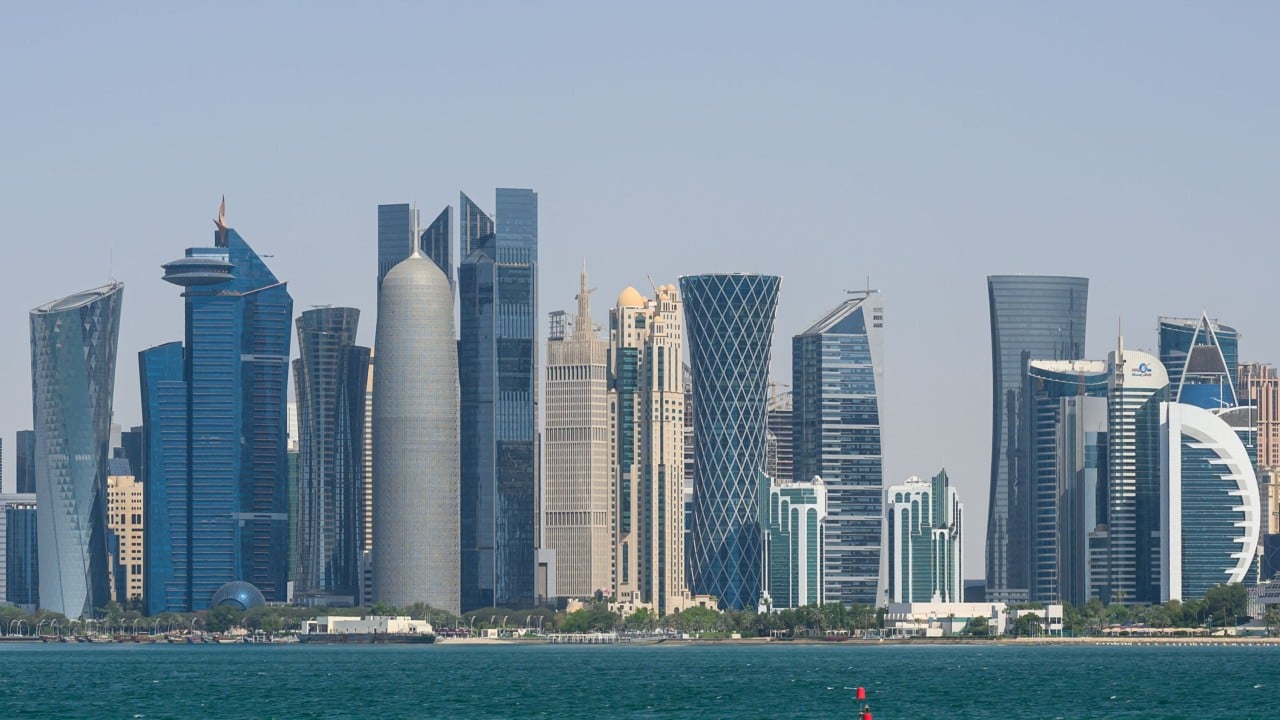
Don't let the public chest-thumping fool you. Even as US and Iranian forces traded missile fire last week, lower-level diplomats quietly unpacked their bags in Doha. On Wednesday, technical teams from Washington and Tehran sat down in separate rooms to figure out how to stop a regional war from spiraling completely out of control.
This isn't the grand, direct peace summit that President Donald Trump teased on social media. Iran explicitly refused to look the Americans in the eye. Instead, Qatari and Pakistani mediators are doing the heavy lifting, running between hotel rooms to stitch together an actual framework from a very fragile truce.
If you want to understand why global oil markets are holding their breath, you have to look at what's actually on the table in Doha. It's not about sudden friendship. It's about preventing total economic and military disaster.
The Lake Lucerne Pact Under Strain
The basis for these Doha meetings is a 14-point interim memorandum of understanding hammered out last month at the Lake Lucerne Summit in Switzerland. That deal established a temporary 60-day ceasefire following the massive US-Israeli air strikes on Iran back in late February.
But a truce on paper doesn't automatically mean peace on the ground. Over the last seven days, the ceasefire nearly disintegrated. Tit-for-tat military strikes shook the region, and a commercial vessel was hit transiting the volatile waters over the weekend.
The reality of these talks is a stark contrast between what leaders say for the cameras and what their negotiators are actually grinding out. Look at the mixed messages flying around:
- Donald Trump claimed that "the denuclearization of Iran is moving along well" and praised "very good meetings" in Doha.
- Vice President JD Vance confidently told Fox News that the US holds "all the cards" because the core mission of preventing an Iranian nuclear weapon is already secured.
- Iran’s Foreign Ministry, via spokesman Esmaeil Baqaei, flatly denied any direct engagement, sending Deputy Foreign Minister Kazem Gharibabadi strictly for technical, indirect sessions.
The Trillion Dollar Choke Point
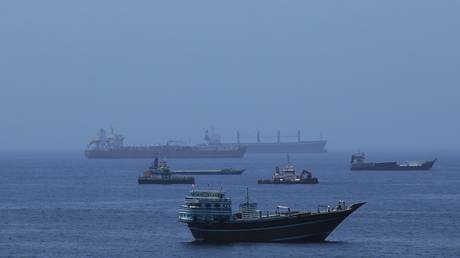
Forget the lofty rhetoric about denuclearization for a moment. The immediate, high-stakes battle in Qatar is over the Strait of Hormuz.
Before the war erupted in February, one-fifth of the world’s liquefied natural gas and oil passed through this narrow waterway. For nearly two months during the peak of the fighting, Iranian oil exports dropped to zero. Now, Tehran wants something in exchange for keeping the shipping lanes open.
Insiders confirm that Iran is pushing hard for international recognition of its right to levy tolls and fees on commercial ships entering the Persian Gulf. They want to turn the strait into a state-controlled toll booth.
The Trump administration's strategy in Doha is to talk Iran out of this toll plan. US negotiators are making the case that Iran stands to gain far more from the lifting of international sanctions and the unfreezing of its foreign assets than it ever could by shaking down cargo ships. To keep the pressure on, maritime unions and shipping employers just extended the "war zone" designation for the Strait of Hormuz, guaranteeing double pay for seafarers and keeping insurance premiums sky-high.
Behind the Scenes in Doha
While the technical experts argue over shipping law and uranium enrichment levels, high-profile heavy hitters are managing the political optics. Trump’s son-in-law Jared Kushner and special envoy Steve Witkoff landed in Doha ahead of the talks.
They didn't sit in the negotiating room with the Iranian delegation. Instead, they met privately with Qatar’s Prime Minister, Sheikh Mohammed bin Abdulrahman Al Thani, and the Emir to sync up on parallel regional conflicts, including the fighting in Lebanon.
This compartmentalized diplomacy is a classic Middle Eastern negotiation tactic. The political big wigs handle the regional alliances, the mediators manage the hostility, and the technical experts argue over the fine print.
What Happens Next
The clock is ticking loud and clear. The 60-day window opened by the Lucerne summit is already slipping away, and the two sides are still stuck arguing over basic logistics and shipping tolls.
If you're watching this situation closely, don't look at the fiery statements coming out of Washington or Tehran. Watch these specific indicators over the next few days:
- The Shipping Tolls: See if Qatar can broker a compromise on the Strait of Hormuz that allows Iran to save face without letting them tax global commerce.
- The July 9 Deadline: Watch whether maritime authorities drop the "war zone" designation for the strait, which will tell you if shipping companies actually believe the ceasefire will hold.
- The Nuclear Framework: Look for any concrete text regarding the removal of Iran's highly enriched uranium, which remains the ultimate American benchmark for a permanent deal.