The ink is barely dry on the 14-point memorandum of understanding signed by President Donald Trump and Iranian officials, but the fragile peace is already fracturing. If you thought a signature would magically erase decades of bitter geopolitical warfare, you haven't been paying attention. Iranian Parliament Speaker and chief negotiator Mohammad Bagher Ghalibaf just laid down a brutal ultimatum that should put everyone on high alert. Tehran is fully prepared to restart the war if Washington or its closest regional allies step out of line.
This isn't empty posturing. It's a calculated response to what Iran sees as direct American and Israeli violations of an incredibly shaky interim deal. For anyone trying to figure out why oil markets are twitching and why military command centers are on edge, the answer lies in the intense, backroom friction threatening to rip this agreement apart before the 60-day implementation window even closes.
The Broken Promises of the Persian Gulf
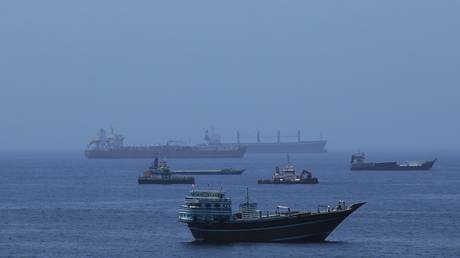
At the heart of this sudden escalation is a fundamental disagreement over what compliance looks like. Ghalibaf explicitly accused the United States of violating the basic terms meant to halt the conflict. He pointed to recent, unspecified maritime incidents in the Persian Gulf as proof that the Americans aren't holding up their end of the bargain.
According to the initial agreement, the U.S. military agreed to lift its crushing naval blockade on Iranian ports, allowing oil tankers to move again. In exchange, technical talks were supposed to progress in Doha to handle the tricky details like unfreezing billions in Iranian assets.
But Tehran claims the U.S. is playing a double game. While Washington claims it wants to let the peace process play out, Iran sees continued Western naval maneuvers and aggressive patrolling as a direct threat. Ghalibaf didn't mince words during his televised address to regional allies. He stated flatly that Iran is ready for war if the other party fails to comply with the memorandum of understanding. He made it clear that current talks in Doha aren't about building some grand new treaty. They are strictly technical meetings to enforce what was already agreed upon, and Iran will not take another step forward until the initial terms are completely stabilized.
Why Israel Tried to Kill the Deal Litterally
The friction gets much uglier behind the scenes. We now know that the tension isn't just about naval movements or frozen bank accounts. It's about targeted assassinations. Striking intelligence reports revealed that senior American officials had to indirectly warn Iran that Israel was actively planning to assassinate its top negotiators.
Think about how insane that is. The Trump administration was so terrified that Israeli Prime Minister Benjamin Netanyahu would blow up the peace process that Washington used regional intermediaries to warn their own adversaries. The targets weren't low-level bureaucrats. Israel wanted to take out Foreign Minister Abbas Araghchi and Ghalibaf himself.
U.S. intelligence officials realized that killing these specific leaders would completely destroy any chance of a diplomatic settlement. It would plunge the region right back into an active, bloody conflict. Both negotiators had been the primary points of contact for Washington since the initial April ceasefire. In fact, a secret security alert earlier this spring forced Ghalibaf's plane to make an emergency landing in Mashhad to avoid a suspected Israeli strike while he was returning from high-stakes talks.
This exposes a massive divergence in war aims between Washington and Tel Aviv. When the conflict kicked off back in February with joint U.S. and Israeli airstrikes, both nations openly dreamed of immediate regime change in Tehran. But the Pentagon quickly realized that the clerical and military establishment wasn't going to collapse. Washington shifted its focus toward a pragmatic, negotiated exit to stabilize global energy markets. Israel, however, remains completely dedicated to total victory and removing the regime, creating a massive diplomatic rift that Iran is exploiting to the fullest.
The Battle for the Strait of Hormuz
If you want to know where the next spark will likely catch, look closely at the Strait of Hormuz. The strategic waterway is a global choking point for oil, and Iran has no intention of letting it go back to the pre-war status quo.
Under the temporary terms of the agreement, the strait was supposed to be de-mined and opened for free transit without tolls during the 60-day negotiation period. Iran claims it has successfully exported over 40 million barrels of oil since the blockade was lifted, giving its battered economy a much-needed lifeline. But that free ride for international shipping has an expiration date.
Ghalibaf has already announced that free transit through the strait will end as soon as the 60-day window closes. After that, Tehran and Oman plan to assert full sovereignty over the trade route and implement a strict tolling system for services provided to passing vessels. The Islamic Revolutionary Guard Corps is already demanding that all maritime traffic coordinate directly with them.
Washington assumes the strait will remain an open international highway. Iran views it as sovereign territorial waters and a permanent revenue stream. This disagreement is a ticking time bomb. The moment Iran tries to force an international tanker or an American vessel to pay a toll to pass through the strait, the entire framework agreement could instantly dissolve into a renewed naval war.
What Happens Next for Global Security
The current situation leaves world leaders and energy markets in an incredibly dangerous spot. The diplomacy happening right now in Qatar isn't a sign of blossoming friendship. It's a high-stakes poker game where both sides have their hands resting on their holsters.
You can expect a few specific developments to play out over the coming weeks as the 60-day timeline ticks down.
First, expect Iran to freeze all political negotiations until they get absolute verification that their frozen assets are released. Tehran knows that once they sign a final deal, their leverage drops. They will demand cash in hand before making any permanent concessions on their nuclear program or regional proxy forces.
Second, the shadow war between Israel and Iran will intensify, regardless of what the U.S. wants. Netanyahu has made it clear through backchannels that Israel doesn't feel bound by a document it didn't sign. If Israeli intelligence sees an opening to disrupt the talks through a cyberattack or a strike on an Iranian asset, they will take it, daring Washington to call their bluff.
Finally, keep a close eye on oil shipping schedules. Companies are rushing to move as much crude as possible through the Strait of Hormuz before the 60-day free transit window expires and Iran imposes its new toll system. This rush will likely create a temporary spike in supply, followed by a severe market crunch if toll negotiations turn hostile.
The takeaway here is simple. Don't fall for the political theater of peace summits and signed memorandums. The core issues that started this war in early 2026 haven't been resolved. They've just been pushed down the road by a temporary agreement that both sides are already accused of violating. If Washington fails to rein in its allies and satisfy Tehran's financial demands, the Middle East will find itself locked right back into a hot war before the summer ends. Watch the Persian Gulf naval movements and the Doha asset talks. Those are the real indicators of whether this deal survives or crashes into flames.