The rules of the game just changed in the Middle East, and frankly, the old playbook is completely useless. What started as a cycle of targeted military strikes between Washington and Tehran has dissolved into something far more dangerous: a direct, systematic assault on the foundational infrastructure that keeps modern life functioning in the region.
If you think this is just another standard flare-up in the Gulf, you're missing the bigger picture. When nations start blowing up bridges and knocking out civilian water systems, they aren't just fighting a war. They're testing a terrifying new threshold of economic and societal leverage.
The Mirage of the Ceasefire Collapse
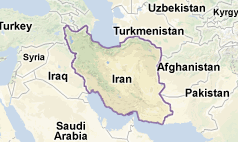
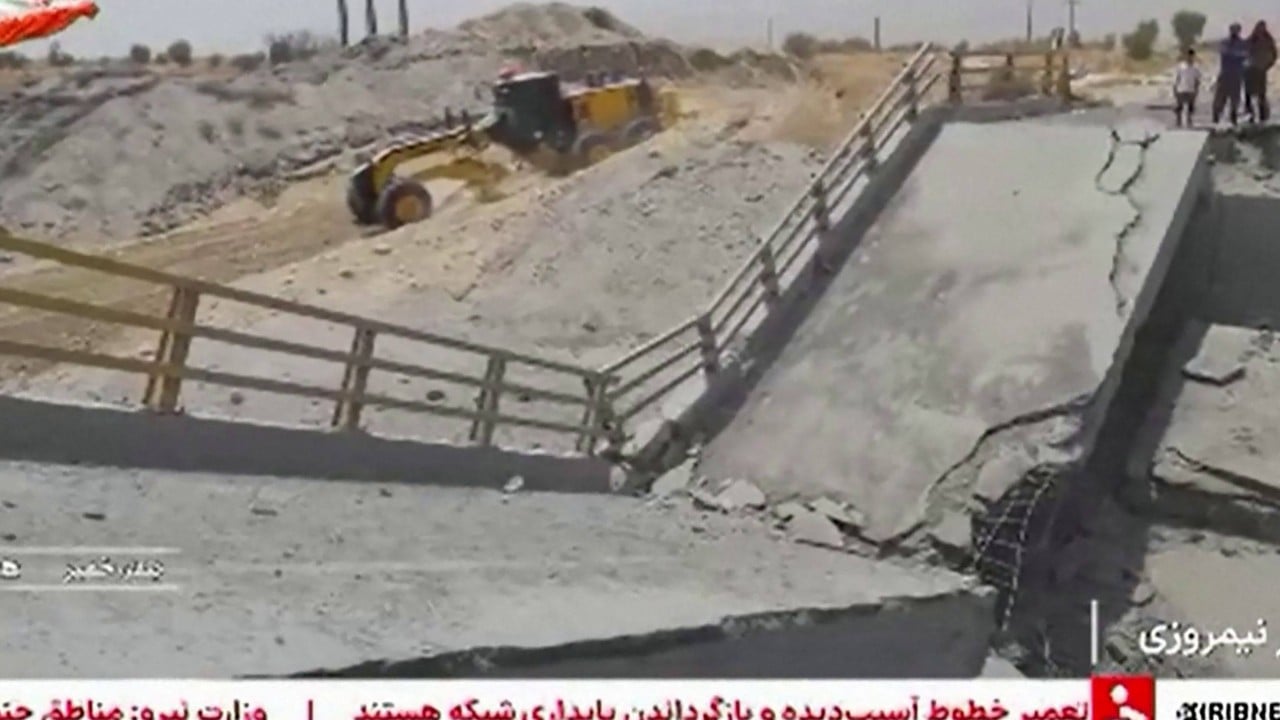
Let's look at the facts on the ground right now. Over the last 48 hours, US Central Command shifted its targeting data to include what it euphemistically calls "military logistics infrastructure". In plain English? They hit at least five major bridges in southern Iran, including crucial transit points around the southern port of Bandar Khamir. They brought down a commercial traffic control tower at Chabahar port. They even leveled parts of Iranshahr airport.
The logic from Washington is straightforward, if incredibly reckless: cut off Iran's main shipping ports from the rest of the country, squeeze their supply lines, and force them to the negotiating table. Trump practically spelled it out, threatening broad-based air strikes on Iranian infrastructure if they don't bow to military pressure.
But Iran didn't back down. Kinda predictable, right?
Tehran’s response was swift, brutal, and asymmetrical. Instead of just firing missiles back at US naval vessels, they retaliated by launching an "eye-for-an-eye" operation directly hitting a massive power and desalination plant in Kuwait.
Think about that for a second. Kuwait relies on those exact desalination plants for roughly 90% of its drinking water. By turning a desert city's water supply into a smoking crater, Iran sent a crystal-clear message to every US ally hosting American bases in the Gulf: If we go down, you go thirsty.
What Most People Get Wrong About the Strait of Hormuz
Every analyst on cable news loves to obsess over the Strait of Hormuz closing. Yes, it handles a fifth of global oil and gas exports. Yes, oil prices just surged past $85 a barrel because Iran suspended traffic through the waterway.
But here is what people miss: the real danger isn't just the shipping lanes anymore. It's the total vulnerability of the Gulf's domestic life support systems.
| Target Location | Type of Infrastructure | Immediate Strategic Impact |
|---|---|---|
| Bandar Khamir (Iran) | Highway & Railway Bridges | Disrupted main transit lines to Iran's primary shipping ports. |
| Kuwait Coast | Power & Desalination Facility | Sparked widespread fires and threatened 90% of the local drinking water supply. |
| Chabahar Port (Iran) | Commercial Control Tower | Severed vital trade routing running into neighboring Afghanistan. |
| Al-Tanf (Syria) | Remote Military Output Area | Struck near a vacated special forces base, demonstrating Iran's regional reach. |
The rich Arab Gulf states have built gleaming, futuristic desert metropolises. But those cities are entirely dependent on highly complex, hyper-vulnerable electrical grids and water purification plants. It takes an immense amount of energy to keep the lights on and the water flowing when temperatures are soaring. Iran knows this. By expanding the target grid to civilian infrastructure, both sides have stripped away the buffer zone that kept this conflict contained.
The Real Risk Ahead
Honestly, we are looking at a classic escalation trap. Mohsen Rezaei, a top adviser to Iran’s supreme leader, already warned on state television that if US strikes continue, Iran will transition into a "full-scale offensive". Meanwhile, air raid sirens are actively sounding across Bahrain, and Qatar is telling its residents to take shelter from falling missile debris.
This isn't a chess match anymore. It's a bar fight where both guys are reaching for broken bottles. When you destroy a bridge or a power grid, you can't just flip a switch to fix it. The economic damage is cumulative, and the civilian toll is immediate.
If you are trying to navigate the fallout of this crisis, stop looking at temporary ceasefire talk or political posturing. Watch the critical infrastructure nodes. The moment another water plant or a major energy terminal goes offline, the global economy is going to feel it everywhere from the gas pump to the grocery aisle. Keep your eyes on the supply lines, protect your capital against sudden energy shocks, and don't assume anyone is playing by the old rules anymore.