The illusion of peace in the Middle East didn't even last a month. Just two weeks after Washington and Tehran signed a shaky interim memorandum of understanding to halt a brutal four-month conflict, the entire deal is falling apart in real-time.
If you've been tracking the headlines, you know things escalated dramatically over the weekend. A Panama-flagged oil tanker named M/T Kiku, carrying two million barrels of crude oil, was struck by a one-way attack drone near the strategic Strait of Hormuz. The bridge was heavily damaged. Thankfully, the crew survived. The US blamed Iran immediately. What followed was a swift, heavy-handed military reaction from Washington, matched by an equally aggressive counter-response from Iran's Islamic Revolutionary Guard Corps (IRGC).
Donald Trump didn't hold back. Taking to Truth Social, he fired off a warning that went straight to the nuclear option of rhetoric, claiming that if the US is forced to militarily complete the job, the Islamic Republic of Iran will no longer exist.
Iran shot back just as hard. The IRGC Navy issued a statement warning that American bases throughout the region will experience hell in the days ahead. They followed that threat up by launching ballistic missiles and drones at US military positions in Kuwait and Bahrain, forcing America's regional allies to scramble their emergency defense networks.
This isn't just another minor border skirmish. It's a fundamental breakdown of international diplomacy that threatens to shut down the global economy's primary energy artery.
The Anatomy of a Rapid Escalation
To understand how we got here, look at the timeline. This wasn't a sudden, isolated incident. It was the second massive round of tit-for-tat strikes in less than forty-eight hours.
On June 25, a Singapore-flagged cargo ship called the M/V Ever Lovely was hit by an explosive drone while navigating the Gulf. US Central Command (CENTCOM) called it an unwarranted act of aggression that clearly violated the hard-won ceasefire. Trump labeled it a foolish violation. By Friday night, American Navy and Air Force fighter jets were in the air, pounding Iranian missile storage sites, drone facilities, and coastal radar stations.
Tehran rejected the blame. They claimed the Ever Lovely had gone rogue, traveling through unauthorized maritime routes without permission. They viewed the American counter-strikes as the actual breach of the peace deal.
Then came Saturday morning. Before the smoke could even clear from the first round of American airstrikes, the M/T Kiku was hit.
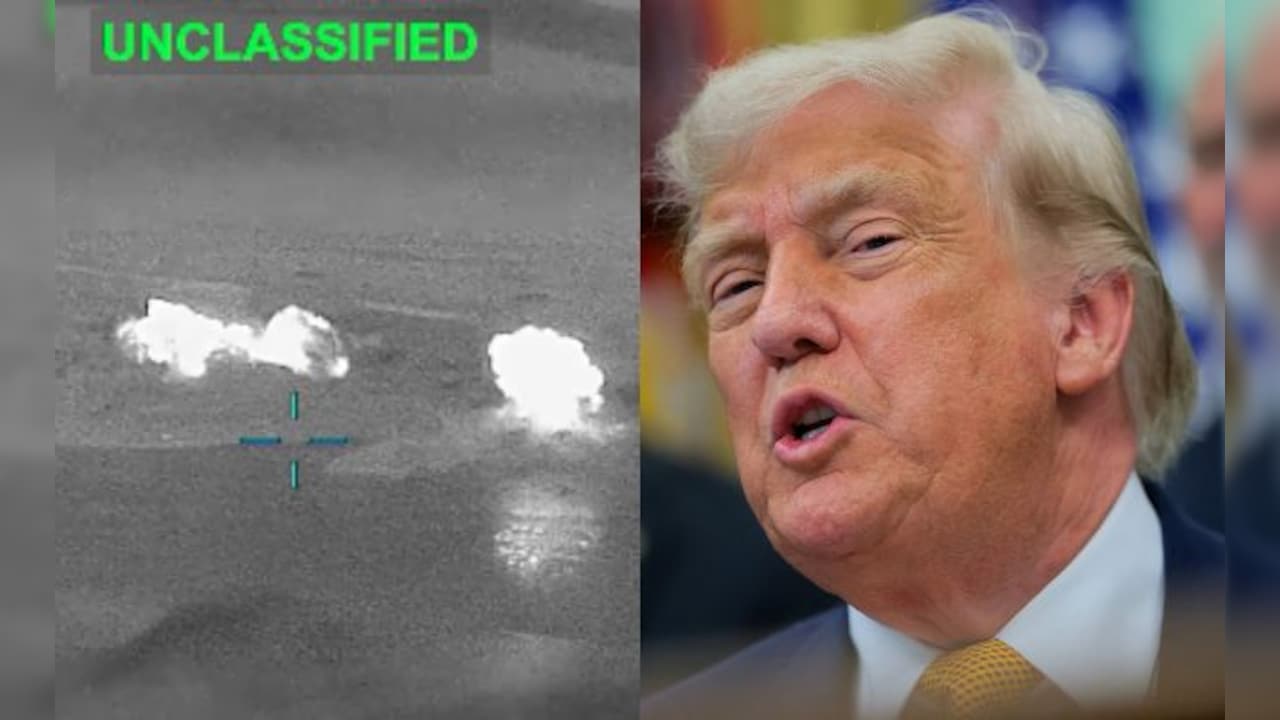
CENTCOM didn't wait. Acting under direct orders from the Commander-in-Chief, US forces launched a massive wave of targeted airstrikes. They hit ten separate military targets in and near the Strait of Hormuz. The operation focused heavily on degrading Iran's ability to wage a shadow war at sea.
What the US Target List Reveals
The specific targets chosen by the Pentagon show exactly what kind of threat they're trying to neutralize. American jets focused on a few highly specific military assets.
- Coastal Radar Sites: These installations allow the IRGC to track commercial shipping and coordinate drone strikes.
- Drone Storage Facilities: The warehouses housing the exact one-way attack drones used in the tanker hits.
- Minelayer Capabilities: Boats and equipment used to drop naval mines into the shipping lanes.
- Air Defense Infrastructure: Mobile missile batteries meant to protect Iranian coastal zones from Western jets.
Explosions rocked southern Iranian coastal areas, specifically around Sirik and Qeshm Island. Iranian state broadcaster IRIB confirmed the blasts early Sunday morning. Local reports indicated that at least one projectile impacted a civilian village on Qeshm Island, adding more fuel to Tehran's anger.
The Regional Spillover and the Response from the Gulf
This conflict didn't stay contained to the Iranian coastline for long. Hours after the US jets returned to their bases, Iran struck back directly at American installations located in neighboring Gulf states.
The IRGC target list included the Ali Al Salem Air Base in Kuwait and the US Fifth Fleet headquarters in Bahrain. This was a massive gamble by Tehran. By firing weapons at targets inside sovereign Gulf nations, they effectively dragged America's regional partners into the line of fire.
The panic was immediate. Bahrain activated its nationwide emergency warning sirens, sending residents rushing to shelters in the middle of the night. Kuwait rapidly deployed its advanced air defense systems to intercept incoming drone and missile threats.
A US defense official speaking on the condition of anonymity stated that there were no immediate reports of American casualties or major structural damage at these facilities. But the political damage was already done. The strike proved that the temporary security umbrella holding the region together has been completely shredded.
Why the Islamabad Memorandum Failed So Quickly
The 14-point interim agreement, often referred to as the Islamabad Memorandum of Understanding, was fundamentally flawed from the moment it was signed. It was designed to provide a 60-day window for diplomats to negotiate deeper issues, including Iran's nuclear program and regional proxy networks.
Instead of creating a quiet space for diplomacy, it created a vacuum.
The core issue is a total disagreement over who controls the Strait of Hormuz. The international community views the strait as an open, international waterway. Iran treats it like a private security zone. Following the signing of the ceasefire, the IRGC began enforcing strict new transit rules, firing warning shots at vessels that didn't seek explicit permission from Tehran before entering the waterway.
From Iran's perspective, they're enforcing domestic maritime sovereignty. From the perspective of Washington and the International Maritime Organization, Iran is running an illegal blockade on the world's most critical energy shipping route.
Vice President JD Vance, who acted as a primary negotiator for the administration during the peace talks, pinned the blame entirely on Tehran. He noted that the US honored every word of the agreement. He argued that if Iran had grievances about how the memorandum was being applied, they should have used diplomatic channels instead of launching drones at commercial tankers.
The Economic Cost of the Shipping Crisis
The global economy cannot afford a closed Strait of Hormuz. Around twenty percent of the world's total petroleum liquids pass through this narrow chink in the global supply chain every single day.
When the conflict initially flared up earlier this year, shipping insurance rates skyrocketed, forcing major maritime firms to divert vessels around the southern tip of Africa. The interim ceasefire was supposed to fix this, allowing traffic to return to pre-war levels.
The moment news of the strike on the M/T Kiku broke, the international oil benchmark, Brent crude, jumped significantly, instantly passing seventy-three dollars a barrel. The International Maritime Organization immediately halted its planned evacuation and recovery operations for vessels previously stranded in the region.
If shipping companies decide the strait is too dangerous to navigate, global supply chains will choke. Energy prices will spike globally, driving inflation right back up at a time when central banks are desperately trying to cool down global markets.
What Happens Next
The diplomatic track is effectively dead for the foreseeable future. The IRGC explicitly stated that the latest American actions have resulted in a complete halt of all ongoing diplomatic processes. Both sides are now dug in.
We're looking at three distinct possibilities for how this plays out over the coming days.
First, we could see a continuation of the current pattern. This means localized, high-intensity strikes where the US hits radar and drone bases whenever a ship is touched, and Iran responds with deniable rocket attacks on US regional bases. This keeps the war hot without triggering a full-scale invasion.
Second, there is a distinct risk of an unintended escalation. If an Iranian missile manages to bypass air defenses in Bahrain or Kuwait and kills American servicemen, the political pressure on the White House to launch a massive, devastating campaign against Iran's mainland infrastructure will become unavoidable.
Third, Iran might attempt to completely close the Strait of Hormuz using its extensive naval mine inventory and anti-ship missile batteries scattered along the coast. If they take this step, it forces a direct, massive naval conflict with the US and its international allies who are committed to keeping the shipping lanes open.
The next forty-eight hours are critical. Watch the deployment patterns of US naval carrier strike groups in the region and monitor the official statements coming out of Tehran. The margin for error has dropped to zero.