The fragile peace deal in the Middle East didn't even last long enough for the ink to dry. Just when negotiators expected a period of lower tension following the massive funeral ceremonies for Iran's late Supreme Leader Ayatollah Ali Khamenei, the entire region went up in flames. Washington launched an intense wave of airstrikes hitting over 80 targets inside Iran, and Tehran responded immediately by firing drones and missiles at US bases in Kuwait and Bahrain.
If you think this is just another minor border skirmish, you're missing the bigger picture. The reality is that the heavily managed interim ceasefire memorandum between Washington and Tehran is effectively dead, and the global oil supply is sitting directly in the crosshairs. Expanding on this theme, you can find more in: Why Everyone Misses The Real Point About Lindsey Graham And Trump.
The Trigger in the Strait of Hormuz
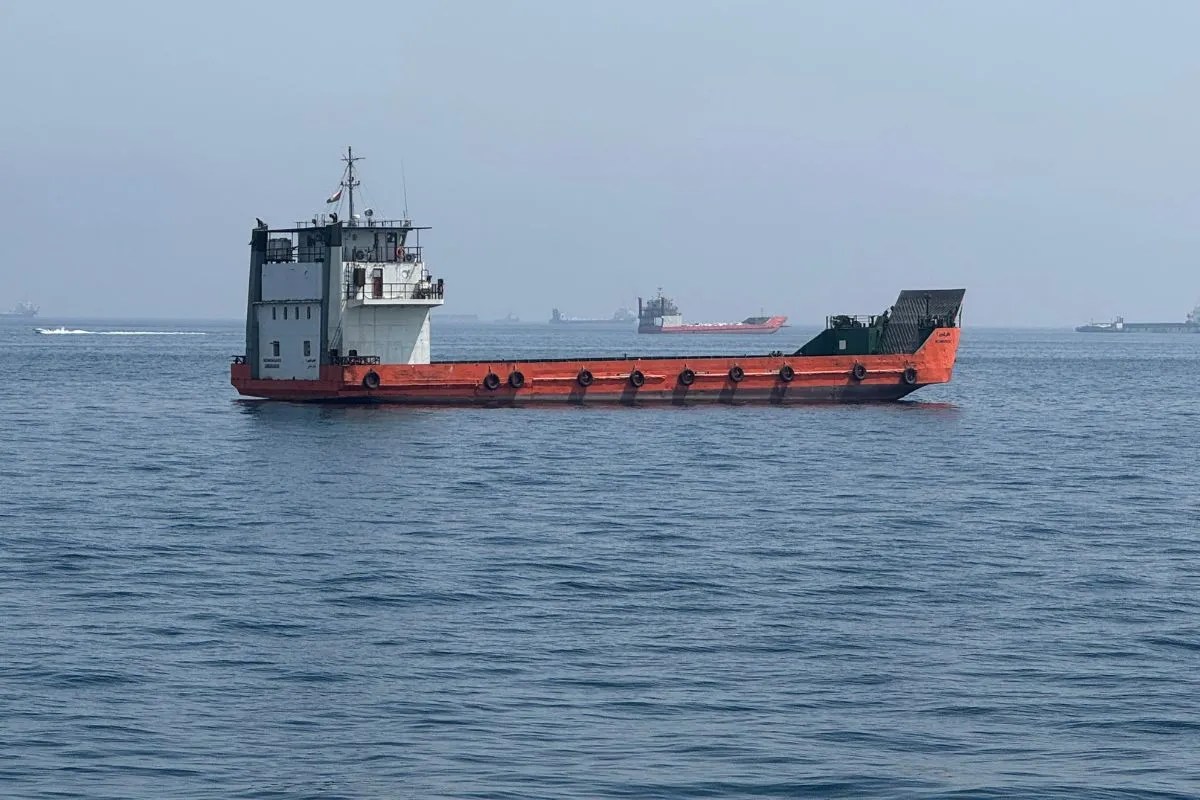
The immediate catalyst for this latest escalation happened in the waters off Oman. Projectiles struck three commercial cargo tankers transiting the crucial Strait of Hormuz, causing at least one vessel to catch fire. The US blamed Iran for the unprovoked maritime assault. Iran, on the other hand, vehemently denies doing anything wrong and blamed the US for violating the regional peace treaty first.
But let's look at the actual geography here. The Strait of Hormuz is the world's most critical oil chokepoint. Iran's top joint military command, the Khatam al-Anbiya Central Headquarters, made it clear that they intend to enforce total control over the transit routes. They openly warned that the only safe passage for global shipping and oil tankers is the specific path dictated by Tehran. Oman tried to defuse the situation by proposing a temporary safe shipping corridor along its own coastline, but Iran blocked the initiative because it wants to collect transit fees from passing ships. Experts at Al Jazeera have provided expertise on this trend.
Washington reacted to the tanker strikes with immediate economic and military force. First, the US government completely revoked a temporary sanctions waiver that had allowed Iran to sell limited amounts of crude oil on the international market. Then, US Central Command sent in the bombers.
Air Strikes and Retaliation
The American military intervention wasn't a warning shot; it was a massive, synchronized assault. US forces pounded more than 80 precise locations across southern Iran, specifically targeting air defense networks, surveillance hubs, missile storage facilities, and small boats operated by the Islamic Revolutionary Guard Corps.
Local Iranian state broadcaster IRIB confirmed that massive explosions ripped through key coastal zones. Witnesses heard six large blasts on Qeshm Island, seven in the coastal city of Sirik, and multiple explosions near the strategic naval port city of Bandar Abbas.
Iran didn't wait around to analyze the damage. Within hours, the IRGC Navy and Aerospace Force launched a massive joint counter-offensive. They fired an estimated 85 missiles and drones targeting vital US military installations across the Persian Gulf, primarily hitting facilities in Bahrain—home to the US Navy’s 5th Fleet—and Kuwait. Sirens blared across American bases as air defenses scrambled to intercept the incoming fire. The IRGC also claimed to have shot down an American MQ-9 Reaper drone during the chaotic exchange.
Why the Negotiations Flipped
This sudden outbreak of open warfare completely destroys months of delicate diplomatic maneuvering. Iranian President Masoud Pezeshkian had to abruptly cut short his state visit to Iraq and rush back to Tehran to manage the growing crisis. Meanwhile, Iranian Foreign Minister Abbas Araqchi declared that final peace talks simply can't happen while American threats and bombs continue to fall.
What most people fail to understand is that Iran uses these tactical disruptions as deliberate leverage. Mohammad Baqer Qalibaf, Iran’s parliament speaker and chief negotiator, posted a blunt message on social media stating that the era of bullying and extortion is over, and that Iran will not fold under pressure. Tehran knows that threatening the global energy supply gives it a massive chip at the bargaining table, even when facing off against the most dominant military on earth.
With US Defense Secretary Pete Hegseth arriving in Israel to coordinate strategy, a quick diplomatic fix is nowhere in sight. The situation on the ground proves that temporary ceasefires don't work when neither side trusts the other to keep their hands off the trigger.
If you are tracking international shipping, global energy markets, or regional security, you need to change your posture immediately. Expect higher maritime insurance premiums, increased volatility in crude oil pricing, and immediate rerouting of commercial vessels away from the Persian Gulf. Keep your eyes on the daily operational updates from the UK Maritime Trade Operations to track real-time threat levels in the region.