The ink on the US-Iran memorandum of understanding wasn't even dry before the missiles started flying again. Signed just last week, the highly publicized 60-day ceasefire was supposed to give diplomat teams breathing room to negotiate a permanent end to their months-long war. Instead, we're watching a rapid-fire exchange of airstrikes that proves an obvious truth. You can't paper over a bitter geopolitical conflict with a vaguely worded document.
The breakdown happened fast. On Thursday, June 25, 2026, a Singapore-flagged container ship named the Ever Lovely was struck by a drone while trying to exit the crucial Strait of Hormuz. US President Donald Trump didn't hold back, hopping on Truth Social to call the move a "foolish violation" of the truce and claiming Iran fired four one-way attack drones. Within hours, US Central Command launched heavy retaliatory strikes against Iranian missile storage facilities, drone sites, and coastal radar stations. You might also find this related story useful: Why Ukraine Air Defenses Failed To Stop Russia Latest Ballistic Blitz.
Iran didn't sit tight. By Saturday night, the Islamic Revolutionary Guard Corps fired back, launching a joint missile and drone operation targeting eight US military sites across Kuwait and Bahrain. Tehran claims the cargo ship broke the rules by taking an unauthorized route, and they are now calling the ceasefire practically meaningless.
If you're trying to make sense of why this peace deal imploded in less than ten days, you need to look past the finger-pointing. The real issue isn't who shot first. It's that the deal itself was built on a foundation of conflicting goals. As reported in recent coverage by Reuters, the implications are widespread.
The Fatal Flaws in the 60-Day Truce
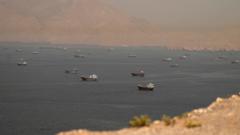
The interim agreement was basically a desperate attempt to patch up a global economic crisis. The war had sent oil prices through the roof and left around 500 commercial ships completely stranded in the region. Washington wanted the Strait of Hormuz reopened to get global trade moving and push oil prices down. Tehran wanted immediate relief from crushing economic sanctions.
To get those quick wins, both sides signed a broadly written text. The core agreement stated that neither country nor its allies would initiate military operations or use force against each other. It sounds great on paper. In reality, it left the most volatile issues completely up for interpretation.
Take the shipping routes. The International Maritime Organization tried to set up an evacuation framework to safely escort those 500 stranded ships out of the conflict zone. They laid out two paths: one hugging the northern Iranian coast and another running south along Oman. But the Ever Lovely didn't wait for an official escort. The crew did their own risk assessment and took the southern route without notifying Iranian authorities.
Iran used this as an excuse to strike, claiming it won't tolerate any transit through the waterway without its direct approval. Washington saw the attack as blatant aggression against international shipping. This mismatch in expectations shows the danger of starting a ceasefire before defining the actual rules of engagement.
The Uranium Problem Nobody Wants to Face
The shipping dispute is just the surface layer. The real ticking time bomb in these negotiations is Iran's massive stockpile of highly enriched uranium.
Over the course of the war, Iran managed to accumulate more than 900 pounds of near-weapons-grade uranium. This material is buried deep inside underground storage sites, many of which were heavily bombed by US and Israeli forces last year. The text of the new memorandum says a final deal must resolve what happens to this nuclear material under the supervision of the International Atomic Energy Agency.
But resolving that issue in 60 days is a fantasy.
- Iran views its nuclear program as its ultimate insurance policy against foreign regime change.
- The US demands complete dismantlement before permanently lifting sanctions.
- Israel remains a volatile wildcard, with Iran openly warning the US to restrain Israeli aircraft from entering neighboring airspace.
When Vice President JD Vance posted on X that Iran should "pick up the phone" if they have disagreements about the deal, he was oversimplifying a massive problem. You don't solve a nuclear standoff and a maritime border dispute with a casual phone call.
What Happens to the Global Economy Now
The immediate casualty of this weekend's military escalation is the global supply chain. The International Maritime Organization immediately paused its ship evacuation operations. They aren't going to send civilian sailors back into the strait until both nations guarantee they won't blow them up.
Before the Ever Lovely was hit, the shipping industry was finally showing signs of life. Marine data from Lloyd's List Intelligence showed that 78 vessels transited the strait on Wednesday alone. That was the highest daily number since the war started. Oil prices were dipping, and logistics companies were breathing a sigh of relief.
That confidence is gone. Some tankers are already reversing course, choosing to take the long, expensive route around Africa rather than risking a drone strike in the Gulf. We are looking at an immediate return to high shipping insurance premiums and volatile energy markets.
Moving Past the Political Rhetoric
If you want to track where this crisis goes next, stop listening to the public statements from Washington and Tehran. Both governments are playing to their domestic audiences. Trump needs to look tough on defense while trying to keep his promise of lowering energy costs. The Iranian leadership needs to show its hardliners that it won't back down under American military pressure.
Instead, look at the technical teams. If the diplomats scheduled to meet in Oman actually stay at the negotiating table despite the weekend's airstrikes, the deal might survive on life support. If those talks break down completely, the interim agreement is dead, and the region goes right back to open warfare.
Your next steps for tracking this situation:
- Watch the IMO evacuation status: If the United Nations keeps the evacuation of the remaining 500 ships paused past mid-week, expect oil prices to spike.
- Monitor tanker transit volume: Keep tabs on daily transit numbers through the Strait of Hormuz via marine intelligence trackers to see if commercial fleets are completely boycotting the route.
- Check the diplomatic channels: Look for confirmation on whether the technical teams in Muscat have officially packed their bags or if they are still talking behind closed doors.



.jpg)