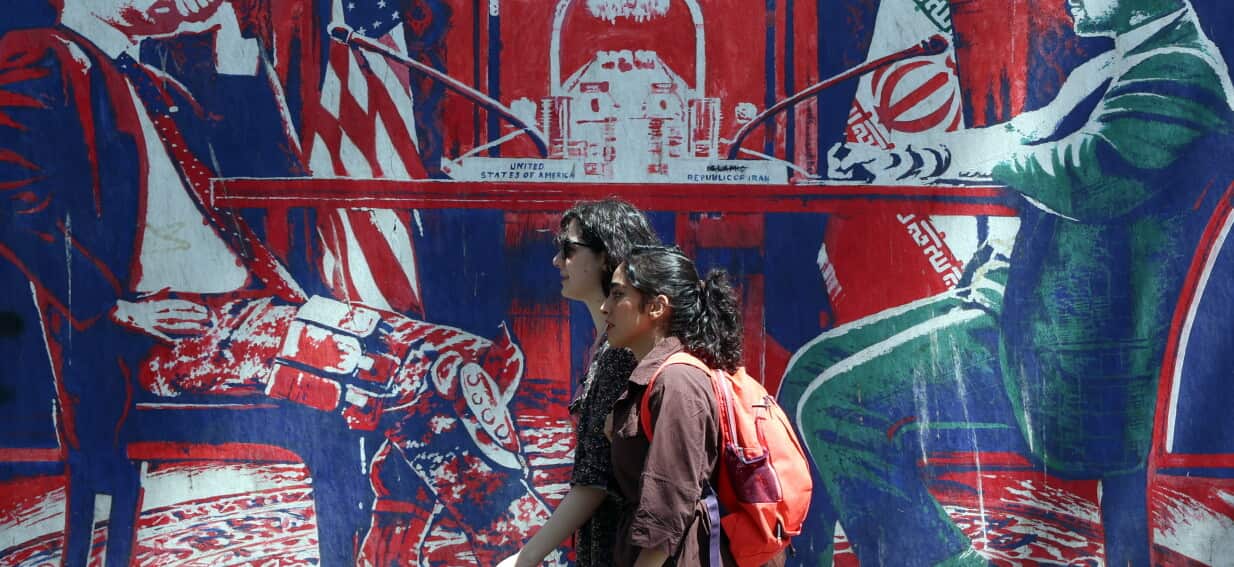
The headlines are screaming about war in West Asia, but the real story is happening behind closed doors in Islamabad. Pakistan just announced positive progress in secret talks between the United States and Iran. Most mainstream media outlets are treating this as a minor diplomatic footnote in a fast-moving war zone. They are completely wrong. This backchannel is the only thing standing between a contained regional conflict and an absolute global disaster.
If you want to understand why these talks matter right now, you have to look past the official press releases. Washington and Tehran do not talk directly when things get this bad. They use intermediaries. Pakistan shares a volatile border with Iran and maintains a long-standing, complicated military alliance with the United States. That makes Islamabad the perfect neutral ground for high-stakes messaging.
This isn't about signing a grand peace treaty tomorrow. It's about crisis management. It's about preventing miscalculations that could send oil prices past a hundred and fifty dollars a barrel and drag global superpowers into a direct military confrontation.
The Secret Diplomacy Keeping a Total War at Bay
Diplomacy during an active conflict looks nothing like peacetime negotiations. There are no handshakes for the cameras. Instead, senior intelligence officials and seasoned diplomats pass encrypted messages through Swiss intermediaries or Pakistani officials. The current discussions focus on setting hard boundaries.
The United States wants Iran to rein in its regional network of proxy forces. Washington needs assurances that shipping lanes in the Red Sea and the Persian Gulf will remain open. The global economy cannot handle a prolonged blockade of these vital maritime corridors.
Tehran has its own demands. The Iranian regime is feeling the crushing weight of economic sanctions. They want immediate sanction relief, or at least a temporary freeze on new economic penalties, in exchange for pulling back their forces. They also want a guarantee that the United States will not support direct strikes on Iranian soil.
Pakistan's foreign ministry confirmed that both sides are showing an unexpected willingness to talk. This suggests that despite the aggressive public rhetoric, neither Washington nor Tehran actually wants a full-scale war. They are trapped in a cycle of escalation, and they are both looking for an exit ramp that allows them to save face domestically.
Why Pakistan is the Ultimate Middleman
People often forget that Pakistan has a unique geopolitical position. It is a nuclear-armed nation with a massive military, sitting right at the crossroads of South Asia and the Middle East. Islamabad cannot afford a major war on its western border. A chaotic, unstable Iran would flood Pakistan with refugees and destabilize its own Balochistan province, where separatist insurgencies are already a constant security headache.
Pakistan has played this game before. Throughout the Cold War and the war in Afghanistan, Pakistani intelligence acted as a vital bridge between Washington and various regional actors. They know exactly how to handle sensitive, deniable communications.
By facilitating these talks, Islamabad is also trying to rebuild its strained relationship with the United States. Washington has grown distant from Pakistan over the last decade, favoring a closer strategic partnership with India. Proving that it is indispensable for Middle Eastern stability gives Pakistan significant diplomatic leverage with the Biden administration.
What Most Analysts Get Wrong About Iranian Intentions
The common narrative in Western media is that Iran is a reckless actor bent on total destruction. That is a dangerous oversimplification. The clerical regime in Tehran is deeply survivalist. Every move they make is calculated to ensure the continuation of their political system.
Iran knows it cannot win a conventional war against the United States and its regional allies. Their entire military strategy relies on asymmetric warfare. They use low-cost drones, anti-ship missiles, and decentralized militias to inflict maximum economic and political pain on their adversaries without triggering a massive, direct retaliation.
When Iran escalates, it is usually a bargaining tactic. They push the envelope to see how much pressure they can apply before the West offers concessions. The fact that they are engaging seriously in the Pakistani backchannel proves that they believe they have reached the limit of what escalation can achieve. They are ready to cash in their chips for economic relief.
The Economic Stakes for Ordinary People
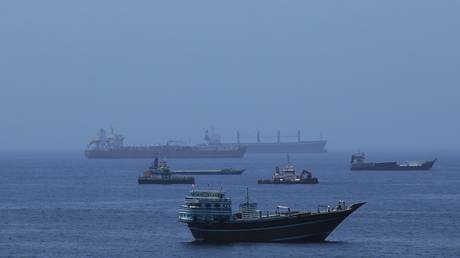
This isn't just an abstract geopolitical chess match. The outcome of these talks impacts what you pay at the gas pump and the price of groceries at your local store. A full-scale disruption of the Strait of Hormuz, through which a fifth of the world's petroleum passes, would trigger an immediate global recession.
The Immediate Market Implications
- Global Oil Supplies: A breakdown in talks could lead to direct strikes on Iranian oil infrastructure, removing millions of barrels of crude from the daily market.
- Shipping Costs: Shipping companies are already paying exorbitant insurance premiums to navigate the region. If talks fail, those costs will skyrocket, and those expenses get passed directly to consumers.
- Supply Chain Disruptions: Modern manufacturing relies on just-in-time delivery. Protracted conflict in West Asia delays components, stalling production lines in Europe and Asia.
Financial markets are incredibly sensitive to these diplomatic shifts. The moment Pakistan hinted at progress, global oil benchmarks stabilized. Traders breathed a sigh of relief. If these talks collapse, expect immediate market volatility.
The Massive Obstacles Facing a Real Deal
We shouldn't get overly optimistic just yet. The road to a meaningful agreement is filled with political landmines. Both sides face intense domestic pressure to show no weakness.
In Washington, any administration that cuts a deal with Iran faces fierce backlash from Congress. Critics will label any sanction relief as appeasement. The political cost of appearing soft on Tehran is incredibly high, especially with elections always on the horizon.
In Tehran, the hardliners who control the Islamic Revolutionary Guard Corps view any compromise with the United States as a betrayal of the revolution. They have built their entire political identities on anti-American sentiment. The Iranian negotiators have to tread carefully, ensuring that any concessions they make can be spun at home as a victory over Western imperialism.
There is also the wildcard of regional actors who do not want this backchannel to succeed. Certain regional powers believe that only total economic and military capitulation from Iran can guarantee long-term security. They will actively try to disrupt any diplomatic understanding through covert operations or targeted strikes designed to force Iran's hand.
How This Ends and What to Watch For
Don't expect a grand signing ceremony on the White House lawn. That is not how modern crisis diplomacy works. Instead, watch for small, unannounced actions on the ground.
If the talks are truly progressing, we will see a measurable drop in rocket attacks on regional bases. We will see a quiet reduction in the enrichment of uranium at Iranian nuclear facilities. In return, Washington will likely look the other way as Iran exports limited amounts of oil to specific Asian markets, giving Tehran the economic lifeline it desperately needs.
The next forty-eight hours are critical. Keep a close eye on official statements from Islamabad rather than the fiery speeches coming out of Washington or Tehran. The real truth of this conflict is being written in Pakistan, away from the cameras, by pragmatic officials trying to prevent a global catastrophe. Watch the actions, ignore the rhetoric, and monitor the oil markets. That is where the real story lies.