The ground shook twice along the northern coast of Venezuela in late June 2026, leaving over 1,400 people dead and millions without clean water or electricity. In Washington, the response was immediate. Planes loaded with search-and-rescue teams, specialized concrete-shredding tools, and tracking dogs took off for Caracas. On paper, it looked like a classic American humanitarian intervention.
But look closer. The machinery driving this response is fundamentally different from anything we saw a decade ago.
When a massive earthquake leveled Haiti in 2010, the United States sent billions of dollars through a specialized bureaucracy meant to rebuild a country from scratch. Today, that old model is gone. The dismantling of the U.S. Agency for International Development (USAID) and its absorption into the State Department changed everything.
Now we see a new strategy at play. Washington favors rapid, loud, and highly visible emergency surges over long-term development funding. It is an approach that prioritizes immediate geopolitical impact, and the crisis in Venezuela shows exactly how it works.
The Illusion of the Three Hundred Million Dollar Pledge
State Department officials quickly went on the record claiming this is the fastest disaster response of the century. They pointed proudly to a $300 million aid package meant to save lives in towns like La Guaira, where apartment buildings collapsed into piles of concrete rubble.
But the math tells a different story.
Independent aid analysts and budget watchdogs quickly found that the $300 million figure involves some creative accounting. It is not all new cash.
- The UN Pool: A full $100 million of that total comes from a pooled fund managed by the United Nations Office for the Coordination of Humanitarian Affairs. The U.S. had already committed this money before the earthquakes even hit.
- Internal Logistics: Another $100 million is actually moving internally between U.S. agencies. It goes to the Defense Department and the Federal Emergency Management Agency (FEMA) to pay for military cargo planes, fuel, and equipment transport.
- Actual New Money: That leaves just $100 million in genuine, newly announced funding meant for actual aid groups on the ground.
Even that final $100 million has run into bureaucratic bottlenecks. Major religious and secular charities, including Samaritan’s Purse and Catholic Relief Services, confirmed days after the announcement that they were still trapped in proposal negotiations. They had not seen a dime of the promised cash yet.
This shows a massive gap between political announcements and reality. The administration gets the headline it wants within the first 72 hours, but the local groups doing the actual digging have to wait.
From Haiti to Caracas
To understand why this matters, you have to look back at the 2010 Haiti response. Following that disaster, the Obama administration treated foreign aid as a long-term nation-building project. They flooded the island with money, embedding USAID personnel deep within local institutions.
It did not work well. Months after the initial shock, barely two percent of the promised billions had actually filtered down to projects on the ground. Huge amounts disappeared into the pockets of massive multinational consulting firms. It left a bitter taste in the mouths of both voters and policymakers.
The current administration took those failures as a cue to change the system completely. They replaced long-term development programs with a doctrine centered on trade agreements and transactional relationships.
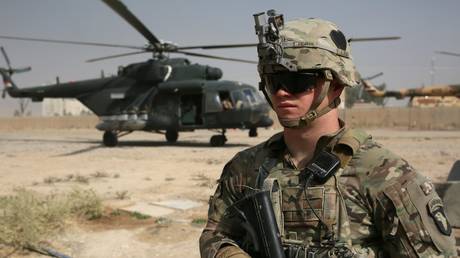
When sudden disasters strike, the current approach relies on the military and quick-response teams rather than civilian aid workers. They deploy the elite Disaster Assistance Response Team (DART) alongside military assets like CH-47 Chinook helicopters. They deliver clean water, pull survivors from the rubble, and then plan an exit. They do not stick around to rebuild schools or rewrite local laws. It is short, sharp, and highly cinematic.
Geopolitics Still Runs the Show
Aid is never purely altruistic. The choice of where to send American planes and money remains deeply political.
The U.S. military captured former Venezuelan leader Nicolás Maduro in January 2026, leaving the country in a fragile transition under an interim government led by Delcy Rodríguez. Washington has a massive stake in making sure this new government does not collapse under the weight of a natural disaster. If the country descends into chaos, it risks triggering a migration wave right toward the American border.
Compare the frantic, expensive response in Venezuela to how Washington handled a massive earthquake in Myanmar last year. That disaster received a meager $9 million. Myanmar holds very little strategic value for the current administration, so it received pennies. Venezuela holds immense strategic value, so it gets the full weight of the American military airlift capacity.
This brings us to an uncomfortable truth about modern international relief. Need does not dictate the size of the check. Geopolitical interest does.
What This Means for the Future of Crisis Relief
International relief groups and non-profits must adapt to this shift if they want to survive. The days of secure, multi-year federal grants for international development are fading.
If you run an organization relying on government funding, you need to understand the new rules.
First, position your group as an immediate first responder. The State Department wants partners who can use heavy machinery, logistics networks, and emergency medical supplies right now. They are less interested in funding five-year educational programs.
Second, expect intense transparency checks on where the money goes. The current administration is deeply skeptical of foreign bureaucracies. If you cannot prove your efficiency quickly, the funding will dry up.
Finally, build independent funding streams. Relying solely on Washington is dangerous when priorities can shift based on the next geopolitical flashpoint. Cultivate private donors and corporate partnerships to keep your operations stable when the political winds change.