The ink is barely dry on the latest diplomatic agreements, but the economic truce between Washington and Beijing is already falling apart. If you thought the recent high-level summits bought the global market some predictability, it is time to wake up. The reality on the ground is a relentless cycle of economic retaliation that directly impacts supply chains, tech investments, and corporate bottom lines.
We are watching a dangerous dynamic play out in real time. Washington squeezes Chinese tech firms under national security mandates. Beijing fires back by locking down critical materials that Western industries desperately need. It is a classic trap. Neither side wants a total economic meltdown, yet neither can afford to look weak.
This isn't just a political headache for diplomats in suits. It is an immediate risk for any business relying on global tech components or critical mineral supply chains. Understanding the mechanics of this sudden escalation is the only way to protect your business from the fallout.
The Fragile Illusion of Stability
Just weeks after US President Donald Trump and Chinese leader Xi Jinping held a highly publicized summit in Beijing to ease trade hostilities, the underlying friction has boiled over. The optimism that followed their meeting ignored a hard truth. Deep-seated institutional distrust cannot be erased by a single joint statement or a temporary tariff reduction.
The recent breakdown became undeniable when the Pentagon expanded its blacklist of Chinese technology firms. Washington views these restrictions as defensive measures to protect intellectual property and national security. Beijing, however, sees them as an explicit containment strategy designed to choke its technological ambitions.
The retaliation was swift. China immediately slapped stringent export controls on prominent American rare earth firms, including MP Materials and USA Rare Earths. Along with those restrictions, Beijing barred 46 US firms from participating in government procurement processes.
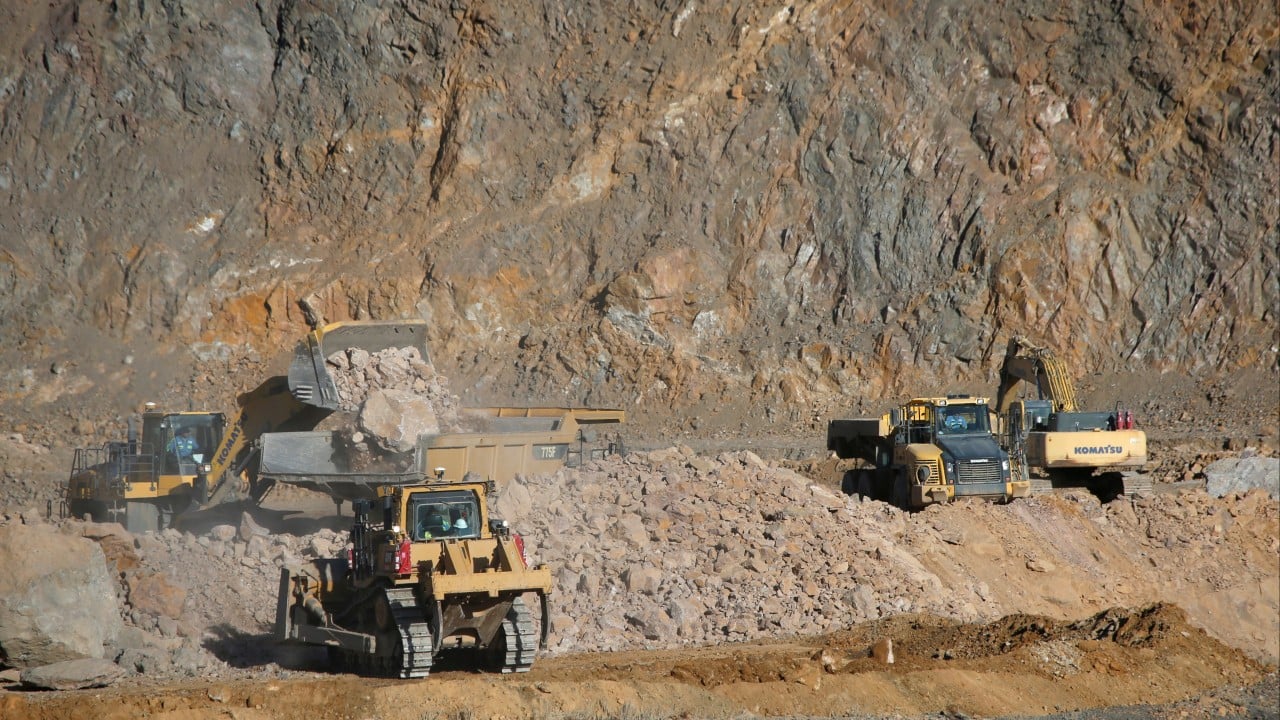
This specific targeting is calculated. China controls the vast majority of the world's heavy rare earth processing capacity. By restricting companies like MP Materials, Beijing is reminding Washington that the American tech and defense sectors are deeply vulnerable to supply shocks.
The Lawmaker Warning Textbooks Ignore
Politicians love to sound tough on the campaign trail, but the reality of a trade war looks very different from inside the committees that oversee the numbers. Republican Senator Steve Daines from Montana, a key figure on both the Senate Foreign Relations and Finance Committees, openly flagged these moves as "unfortunate developments" this week.
Daines pointed out that the rapid escalation on both sides is exactly what moderate lawmakers hoped to avoid. When a high-ranking lawmaker with deep insights into finance and foreign policy expresses public worry, it means the private briefings are looking grim.
The issue with tit-for-tat actions is that they lack a clear off-ramp. If the US backs down, it looks soft on national security. If China backs down, it loses face domestically. So, the cycle continues, with each round of retaliation raising the baseline of hostility.
What Most People Get Wrong About Decoupling
A common misconception is that the US and China are completely separating their economies. You hear pundits talk about "total decoupling" as if it is a button you can just push. It isn't happening. The two economies are far too interdependent for a clean break.
Instead, what we are seeing is a messy, fragmented separation concentrated in specific sectors. Think of it as strategic decoupling. Governments are ring-fencing industries like artificial intelligence, advanced robotics, semiconductors, and critical minerals. Meanwhile, standard consumer goods continue to flow across the Pacific, albeit with higher friction and fluctuating tariff rates.
This creates a highly unpredictable environment for businesses. You might think your supply chain is safe because you don't manufacture military-grade microchips. But if your product relies on basic sensors that use processed neodymium or dysprosium from China, you are caught in the crossfire anyway.
Immediate Steps to Protect Your Supply Chain
Waiting for Washington and Beijing to sort out their differences is a losing strategy. The political landscape suggests that economic friction will remain a permanent feature of global trade for the foreseeable future. If your business has any exposure to international manufacturing or technology components, you need to take defensive action right now.
- Audit Your Sub-Tier Suppliers: Don't just look at your direct suppliers. Look at their suppliers. Find out exactly where the raw materials and foundational components originate. If everything traces back to a single region in China, you have a critical point of failure.
- Build Inventory Buffers for Critical Minerals: For components tied to rare earth elements, look into increasing your safety stock. A 90-day buffer can mean the difference between keeping your production lines moving or shutting down completely during a sudden export freeze.
- Explore Alternative Geographic Nodes: Total relocation of manufacturing is incredibly expensive, but regional diversification is entirely feasible. Look into alternative assembly and sourcing hubs in Vietnam, India, or Mexico to split your risk profile.
The era of easy, frictionless global trade is over. The companies that survive this decade are the ones that accept volatility as a baseline and actively build redundancy into their operations. Stop assuming the next diplomatic summit will fix things. It won't.