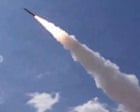
The belief that you can bomb a highly motivated regional power into submission is one of the most resilient delusions in modern military planning. For the past week, the skies over the Persian Gulf have been thick with the roar of American fighter jets, the high-altitude hum of drones, and the thunder of Tomahawk cruise missiles.
Yet, as smoke rises from the collapsed port tower at Chabahar and the shattered spans of bridges leading to Bandar Abbas, one reality is blindingly clear: Iran is not backing down.
If anything, the intense bombardment ordered by the White House has only proven what seasoned analysts have warned about for years. You cannot easily sanitize a choke point as geographically and militarily complex as the Strait of Hormuz through raw airpower alone.
Despite days of punishing strikes aimed at neutralizing its coastal defenses and missile launch infrastructure, Tehran has demonstrated a relentless capability to strike back, disrupt global shipping, and make its neighbors pay a devastating price.
The Illusion of Degradation
The Pentagon's press briefings often paint a picture of surgical precision and rapid degradation. We hear about "coastal defense systems, missile and drone sites, and maritime capabilities" being systematically dismantled. But on the ground, the math of asymmetric warfare tells a completely different story.
According to leaked US intelligence assessments, Iran managed to regain access to 30 out of 33 missile launch sites along the Strait of Hormuz after the heavy fighting during the spring. Even more damning, the same assessments concluded that Tehran retained roughly 70% of its overall prewar missile stockpile and launchers.
Why is this the case?
- Underground Fortresses: Iranian planners didn't build their missile infrastructure in plain sight. They buried it deep under mountains and inside heavily reinforced underground bases.
- Easy Clean-up: While a massive American airstrike can easily block the entrance to an underground facility with tons of rubble, clearing that debris is a matter of days—or even hours—once the bombers leave.
- Asymmetric Portability: You don't need a massive, static base to launch a cruise missile or a swarm of attack drones. Mobile launchers can be hidden in civilian garages, tucked under highway overpasses, or concealed within rugged coastal ravines, making them incredibly difficult to target before they fire.
The Strategic Failure of Targeting Infrastructure
The latest shift in American strategy has seen the bombing expand to civilian and dual-use infrastructure. Bridges, railway stations, port control towers, and even Iranshahr airport have been hit in an attempt to choke off Bandar Abbas and isolate Iran's southern coast.
This is a high-risk gamble that is already backfiring.
First, hitting infrastructure not actively used for military operations walks a razor-thin line regarding international law. Second, and more practically, it has triggered a ferocious horizontal escalation. Instead of backing down, the Islamic Revolutionary Guard Corps (IRGC) has retaliated by striking regional states that host US military bases, effectively holding the energy and water security of the entire Gulf hostage.
Look at Kuwait. An Iranian strike on a critical power and desalination plant has threatened the country's drinking water, given that Kuwait relies on desalination for approximately 90% of its supply. In Qatar, missile debris has fallen near civilian areas, while Jordan and Bahrain have had to repeatedly activate their air defenses to intercept incoming fire.
Tehran's message to the region is simple and brutal: If the US makes our infrastructure burn, we will make sure your lights go out and your taps run dry.
The Burning Economics of a 29-Mile Choke Point
The real metric of victory in the Strait of Hormuz isn't the number of targets destroyed; it's the flow of global commerce. And right now, the shipping lanes are drying up.
Strait of Hormuz Daily Transits (July 2026)
===========================================
Early July (Average):     ~13-15 ships
Wednesday:                9 ships
Thursday:                 3 ships (Lowest since May)
With the US trying to enforce its own naval blockade and Iran retaliating against tankers using unapproved routes, shipping companies are deciding that the risk simply isn't worth it. On Monday, two tankers were hit near Oman, killing one sailor. By Friday, another vessel was struck.
The immediate result? Brent crude oil surged from $75.50 to $82 in a matter of days. This spikes gas prices globally and places immense political pressure back on Washington, especially with crucial domestic elections on the horizon.
Iran doesn't need a blue-water navy to win this fight. It doesn't need to defeat the US Navy in a head-on battle. It only needs to maintain a credible, persistent threat to the 29-mile-wide strait to send insurance rates through the roof and freeze maritime trade.
The Hidden Cost of the Air Campaign
There is also a massive logistical bottleneck that the US military faces but rarely talks about: ammunition depletion.
Analyzing data from the Center for Strategic and International Studies (CSIS), the relentless air campaigns are rapidly eating into American stockpiles of precision-guided munitions. US stocks of hard-to-replace air defense interceptors have reportedly been depleted by half, while inventories of highly sophisticated, expensive land-attack missiles are down by a quarter to a third.
These are high-tech weapons that take months, sometimes years, to manufacture. In a prolonged war of attrition, Iran's cheap, mass-produced drones and cruise missiles are a highly efficient way to drain America's finite arsenal of multi-million-dollar interceptors.
Navigating the Fallout: Practical Realities
If you are a maritime operator, a supply chain manager, or an investor tracking energy markets, the current theater reveals several immediate realities you must adapt to:
- Ditch the Standard Routes: Relying on the US-designated "secure" lanes through the Strait is proving highly dangerous. Ships navigating the Iranian-monitored routes closer to the northern coast have ironically faced fewer kinetic disruptions, though it requires navigating highly complex geopolitical minefields.
- Prepare for Permanent Energy Volatility: Do not treat this spike in oil prices as a temporary blip. The regional depletion of military hardware means neither side can sustain this high-intensity conflict forever, but the underlying vulnerability of the Strait of Hormuz will keep risk premiums elevated for the foreseeable future.
- Expect Broader Regional Disruption: Retaliatory strikes on utilities and logistics hubs in Qatar, Bahrain, and the UAE mean that businesses operating out of the Gulf must review their localized backup power, water, and communications contingencies.
Ultimately, the belief that massive air campaigns can swiftly solve complex geopolitical standoffs remains a costly mistake. Until a diplomatic off-ramp is constructed that addresses the core security anxieties of both sides, the world's most critical energy artery will remain just one missile strike away from a total cardiac arrest.
This brief report from France 24 outlines how Iran retains the capability to disrupt regional stability despite American attempts to degrade their forces, highlighting the persistent leverage Tehran holds in the Gulf.