The United Nations General Assembly just hosted another explosive debate on the decades-long US embargo against Cuba. If you think this is just an annual rerun of old Cold War grievances, think again. The stakes are completely different now. This time, the diplomatic showdown happened under intense US pressure to block the meeting entirely, highlighting an economic crisis on the island that has reached a breaking point.
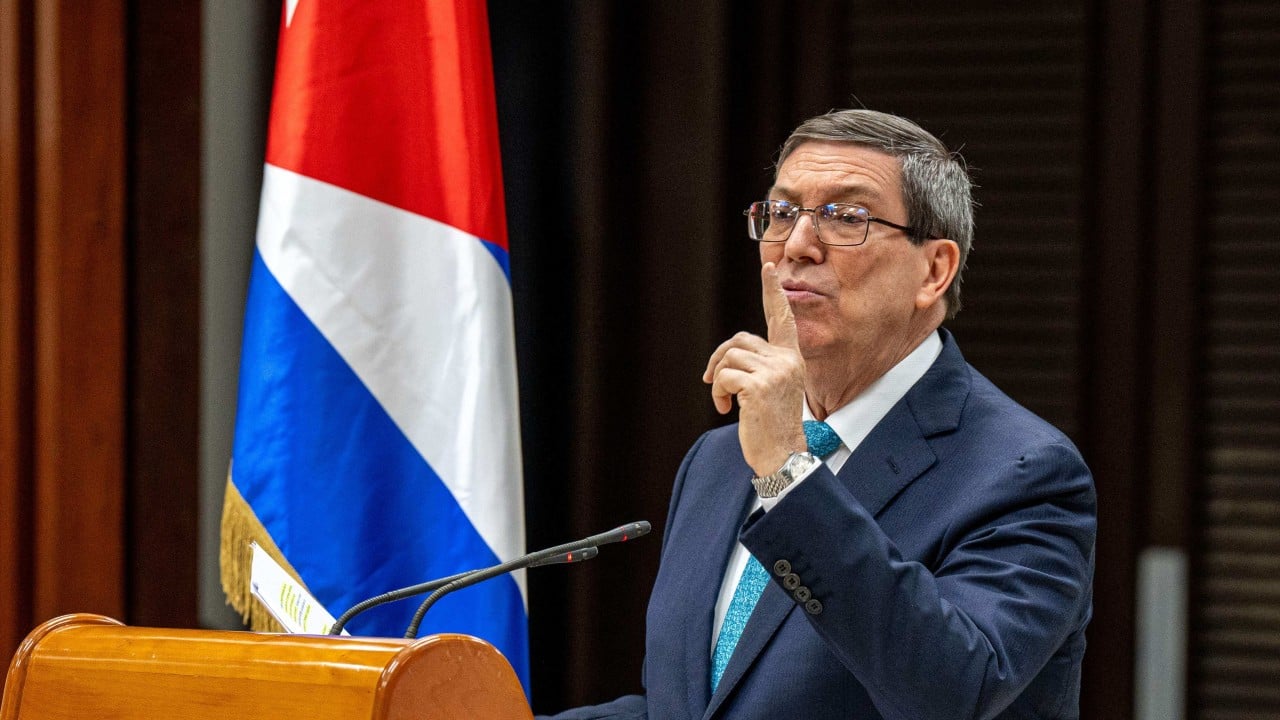
Cuban Foreign Minister Bruno Rodríguez took the podium to denounce what he called a "ruthless" and "multi-dimensional, non-conventional warfare" strategy by Washington. The Cuban government requested this extraordinary debate, warning that the current situation isn't a hypothetical risk but a full-blown humanitarian emergency. You might also find this connected article insightful: What Most People Get Wrong About The Strait Of Hormuz Shut Down.
For everyday Cubans, the geopolitical bickering translates to a brutal reality. The island is grappling with massive fuel shortages, rolling blackouts, and a severe scarcity of food and basic medicine. While Washington frames the sanctions as a targeted push for democratic reform, Havana views them as collective punishment. The global community is increasingly caught in the middle, balancing international trade laws against the geopolitical realities of 2026.
The Fuel Blockade and the Threat of Aggression
What made this UN session different was the sheer urgency from Havana. Cuban officials aren't just complaining about trade restrictions anymore. They're pointing directly to recent US policies targeting the island's energy lifeline. As highlighted in latest coverage by The Washington Post, the implications are worth noting.
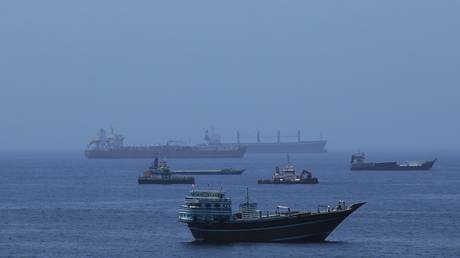
Earlier this year, Washington ramped up sanctions against countries and shipping entities supplying fuel to Cuba. Because Cuba relies heavily on oil imports to keep its outdated power grid running, these restrictions have strangled the economy. Cuban diplomat Pedro Luis Pedroso argued that blocking fuel deliveries amounts to a practical naval blockade, a move that violates international laws governing trade and maritime navigation.
Havana insists that it poses no military or nuclear threat to its massive northern neighbor. Instead, they argue that the real threat is to the survival and well-being of the Cuban people. By targeting energy supplies, the sanctions have disrupted everything from hospital operations to basic food refrigeration.
The US Counter-Argument and the Repression Debate
Washington didn't sit back during the debate. The US Mission to the UN fiercely objected to the session, calling it a orchestrated propaganda spectacle. US representatives argued that Havana uses the UN floor to manufacture content and deflect blame from its own internal failures.
According to the US stance, the economic misery on the island is a direct result of communist economic mismanagement, not just external pressure. The US delegation brought the focus squarely back to human rights, highlighting the plight of more than 800 political prisoners allegedly held by the Cuban regime since the historic 2021 protests.
The US argument boils down to a fundamental point: the Cuban government imposes its own embargo on its citizens by restricting free speech, suppressing political dissent, and stifling private enterprise. From Washington's perspective, providing a stage for Havana simply validates a regime that refuses to implement meaningful democratic reforms.
A Complicated Position for Global Allies
The European Union and other international players find themselves walking a delicate tightrope. On one hand, the EU explicitly rejects the extraterritorial reach of US laws like the Helms-Burton Act, which penalizes foreign companies doing business in Cuba. European ambassadors at the UN reiterated that these measures hurt international trade and worsen the humanitarian crisis.
On the other hand, Europe isn't giving Havana a free pass. During the session, EU representatives noted that while the embargo inflicts undeniable damage, Cuba's internal economic model desperately needs modernization. They called for the immediate release of arbitrarily detained protesters and demanded open dialogue with civil society.
Geopolitics complicates things further. The EU openly criticized Cuba's diplomatic alignment with Russia, particularly its votes against UN resolutions regarding the war in Ukraine. This complex dynamic shows that the international community's opposition to the US embargo doesn't mean unconditional support for the Cuban government.
What Lies Ahead for US-Cuba Relations
The diplomatic theater in New York makes it clear that the deadlock won't break anytime soon. With Washington tightening the screws on energy imports and Havana digging in its heels, the suffering of the Cuban population will likely dominate regional politics for the foreseeable future.
If you want to understand the real-world impact of these policies beyond the UN floor, look into the specific humanitarian reports tracking medical shortages on the island. Keeping an eye on how independent European and Latin American trade blocs navigate US secondary sanctions will tell you where this conflict is heading next.
Cuba Blasts US Embargo at UN provides a direct look at the official statements and diplomatic friction that shaped this recent emergency session in New York.