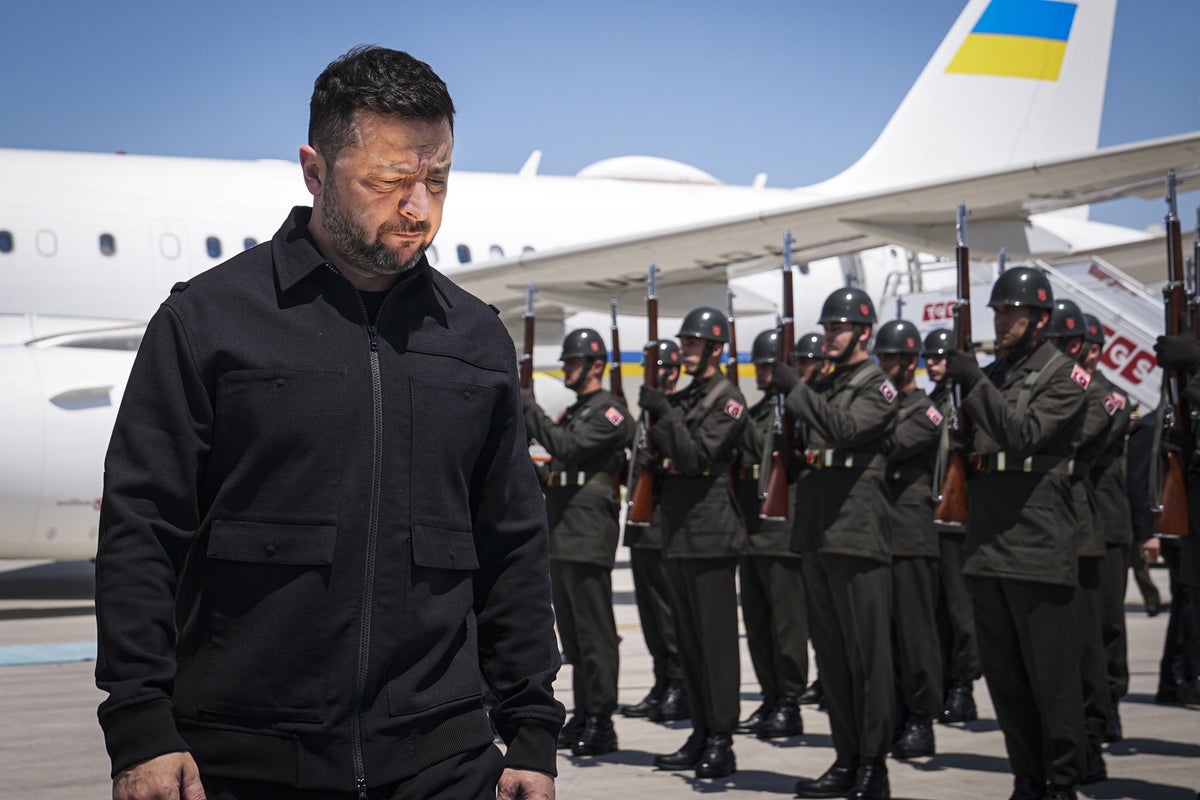
Kyiv is under fire again. For the third time this week, Russian missiles tore through the sky, targeting the Ukrainian capital. Sirens wailed. Air defense systems roared to life, but pieces of metal still rained down on residential streets. It's a brutal reminder that after years of grinding conflict, the air war over Ukraine isn't slowing down. It's escalating.
As the smoke clears, President Volodymyr Zelensky isn't just asking for more ammunition. He's demanding a permanent seat at the table. With a high-stakes NATO summit on the horizon, Ukraine has officially renewed its bid to join the military alliance.
Let's address the elephant in the room. The geopolitical dynamic shifted massively since Donald Trump returned to the White House, forcing both Vladimir Putin and European leaders to completely rewrite their playbooks. Here's what's actually happening behind the headlines, and why the current Western strategy is running on fumes.
The Reality Behind Russia's Renewed Air Campaign
Moscow's latest wave of strikes isn't random. This third assault on Kyiv within a single week represents a calculated effort to deplete Ukraine's air defense stockpiles before Western industrial production can catch up. Air defense is a pure numbers game. You launch relatively cheap drones and older cruise missiles to force the enemy to fire expensive Patriot or NASAMS interceptors. Eventually, the barrels run dry.
Local authorities confirmed that civilian infrastructure took another direct hit. Debris damaged buildings across multiple districts, shattering windows and knocking out power lines. But the true target wasn't just physical infrastructure; it was political resolve. By striking the capital repeatedly right before a major diplomatic gathering, the Kremlin is sending a blatant message to Western capitals: we can hit any square inch of this country whenever we choose, and your defense shields won't completely stop us.
Many analysts misinterpret these bombings as mere acts of frustration. That's a mistake. Putin uses these strikes as diplomatic leverage. Every explosion in Kyiv is designed to scream into the ears of European policymakers that continuing to support Ukraine is a costly, endless endeavor. It's a psychological war disguised as a tactical air campaign.
Why Zelensky's NATO Bid Can't Be Ignored Anymore
Critics often dismiss Ukraine's push for NATO membership as a repetitive talking point. They think it's an unrealistic dream during an active war. But look closely at the timing. Zelensky's renewed push directly challenges the strategic ambiguity that Western allies have hidden behind for years.
The argument for fast-tracking Ukraine boils down to long-term security guarantees. Without concrete guarantees, any potential ceasefire just gives Moscow time to rebuild, rearm, and strike again a few years down the line. Ukrainian officials aren't expecting immediate entry tomorrow morning. They want an irreversible path. They need a clear timeline. They want something binding enough that future political shifts in Washington, London, or Brussels can't easily undo.
The Trump and Putin Factor
The political math changed when Donald Trump took office again. His administration's unpredictable approach to foreign policy has everyone on edge. On one hand, Trump has frequently voiced skepticism about open-ended foreign aid and traditional alliance structures. On the other hand, his desire for a historic peace deal means he needs significant bargaining power against Putin.
Putin is betting that Western patience will fracture before Russian military resources do. He's positioning these intense missile campaigns to project absolute dominance, trying to force a settlement on Russian terms before any formal negotiations begin. Zelensky knows this. That's exactly why he's pushing the NATO issue now. He wants to force the alliance to take a definitive stance before Washington potentially shifts its policy direction.
The Massive Misconception About Western Aid Production
People look at the multi-billion dollar aid packages and assume the problem is solved. It isn't. The real bottleneck isn't money. It's factory capacity.
Western defense contractors simply weren't built for a high-intensity, protracted continental war. Manufacturing a single Patriot missile battery takes years, not weeks. The alliance has spent decades focusing on counter-insurgency and technological superiority rather than mass production of artillery shells and air defense interceptors. Russia, conversely, shifted its entire economy onto a wartime footing, operating factories around the clock.
This imbalance is what makes the current moment so dangerous. If the West doesn't commit to long-term procurement contracts, Ukraine will face severe shortages by the winter. Zelensky's NATO bid isn't just about treaties; it's a plea for a unified industrial strategy that ensures his country doesn't run out of shields while the skies are falling.
Moving Beyond the Endless Cycle of Crisis Management
Western leaders keep reacting instead of anticipating. Giving Ukraine just enough weapons to survive, but not enough to shift the balance, prolongs the suffering on both sides. If the goal is lasting stability in Europe, the strategy needs a hard reset.
Instead of watching from the sidelines, here are the immediate, practical steps international observers and policymakers must focus on:
- Prioritize Air Defense Interceptors: Shipments of interceptor missiles must be accelerated immediately to counter Moscow's attrition strategy.
- Establish Clear Red Lines on Infrastructure: Western allies need to clarify the consequences of continued deliberate strikes on civilian energy grids.
- Define the Framework for Security Guarantees: Even if full NATO membership remains a long-term goal, bilateral security pacts must be formalized with actual teeth.
The conflict won't resolve itself through vague statements or half-measures. Decisions made during this upcoming diplomatic cycle will dictate the security architecture of the continent for the next generation. Keep your eyes on the air defense numbers and the exact wording of the summit communiqués. That's where the real answers lie. Stop looking at the symbolic handshakes and watch the supply lines.